Riding Bolivia's Death Road: The Complete Mountain Bike Tour Guide (2026)
One road drops riders from a 4,700 metre Andean pass into steaming jungle in a single morning. Here is exactly how the Death Road bike day works, what it costs, and whether it is right for you.
Use the section recommendations as you read, then tailor the booking choice after the FAQs.
Elevation is anchored at the two verified endpoints; waypoints are placed along the tour's own timeline, not to exact scale.
Quick Booking Choice Compare the shared full-day descent with a private riding day, using actual inclusions and enough time for the return to La Paz.
Check Your Death Road Ride DateWhat Is Bolivia's Death Road, And Where Does The Ride Actually Go?
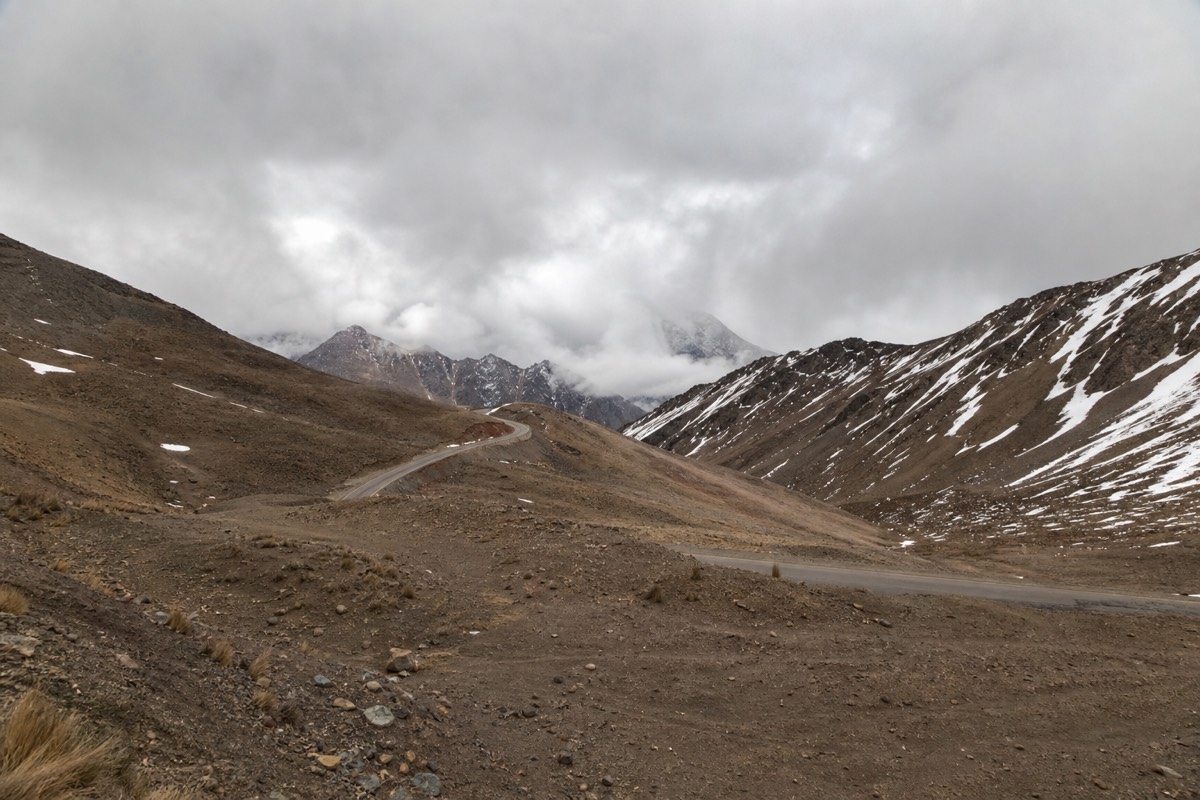
The Death Road is the old North Yungas Road, a single-lane gravel track cut into Andean cliffs between La Paz and Coroico. A guided bike ride starts at the La Cumbre pass near 4,700 metres and drops roughly 3,500 metres into subtropical jungle at about 1,200 metres, covering close to 64 downhill kilometres in a morning.
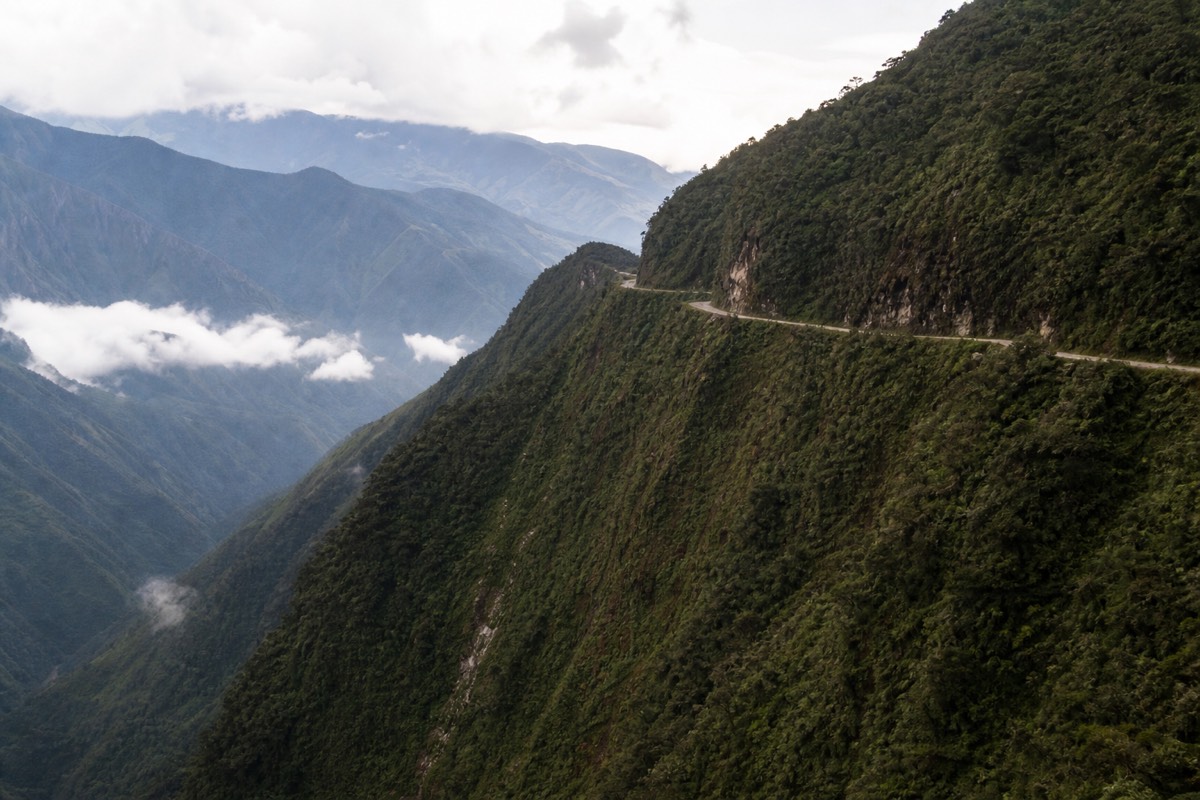
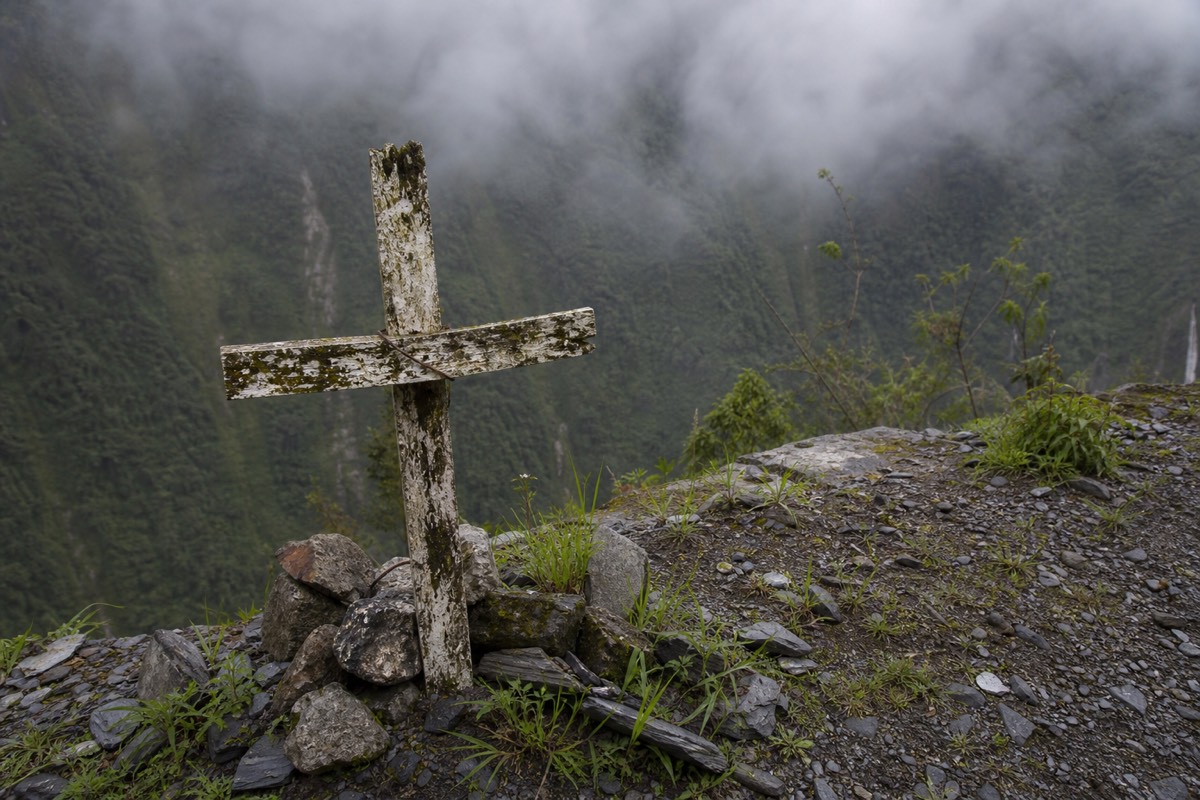
Locals call it the road of death. It runs from the high, cold mountains above La Paz down through cloud forest to the warm Yungas, and for decades it was the only link between the capital and the northern lowlands. You can read the full backstory of the North Yungas Road and why it earned its reputation, but the short version is that trucks and buses once shared a track barely three metres wide with drops of 500 to 600 metres and no guardrails.
The modern experience is a different thing from that grim history. Since a parallel highway opened, the old road carries mostly cyclists, and a guided descent has become one of South America's signature adventure rides. If you want the fuller picture of how safe it is today, we cover exactly how dangerous the Death Road really is in a dedicated guide. Every ride we feature at Death Road Bolivia Tours runs with a vetted operator, a support vehicle, and gear that matches the terrain.
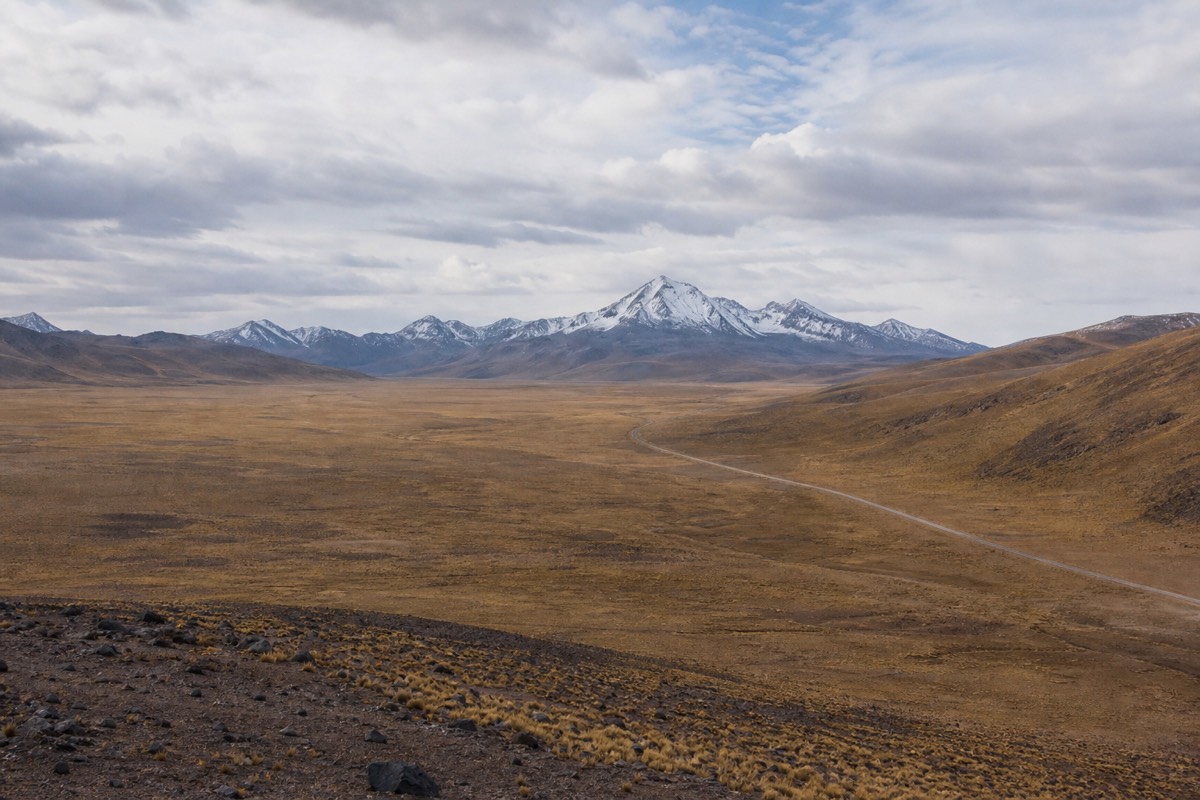
The numbers are what make the ride so unusual. In a single morning you shed about 3,500 metres of altitude, more than the height of many alpine peaks, and you pass through several climate zones on the way down. The top is bare, cold and close to the snowline. The bottom is humid subtropical forest where the air turns thick and warm. Very few day rides anywhere compress that much change into one descent, which is a large part of why the road draws riders from across the world rather than only thrill-seekers passing through La Paz. Roughly 25,000 people a year now make the trip.
Geography does most of the storytelling. The road hugs a mountainside that falls away in a near-continuous wall, so for long stretches there is solid rock on one side and a vertical drop on the other. It does not switchback gently the way an alpine pass does. It clings to the contour and follows the valley down, which is why the exposure feels so constant rather than arriving in occasional hairpins. Understanding that shape helps explain both the old death toll and why a controlled bike descent works so well on the same ground.
Here is the ride at a glance:
| Metric | Detail |
|---|---|
| Start | La Cumbre pass, about 4,700 m |
| Finish | Yolosa and Coroico area, about 1,200 m |
| Vertical descent | About 3,500 m in one day |
| Distance ridden | About 60 to 64 km, mostly downhill |
| Surface | Short paved warm-up, then old-road gravel |
| Drop-offs | Sheer, 500 to 600 m in places, no guardrails |
| Narrowest width | As little as about 3 m at pinch points |
| Historic driving rule | Vehicles kept left so drivers could watch the edge |
How Does A Guided Death Road Day Actually Run, Hour By Hour?
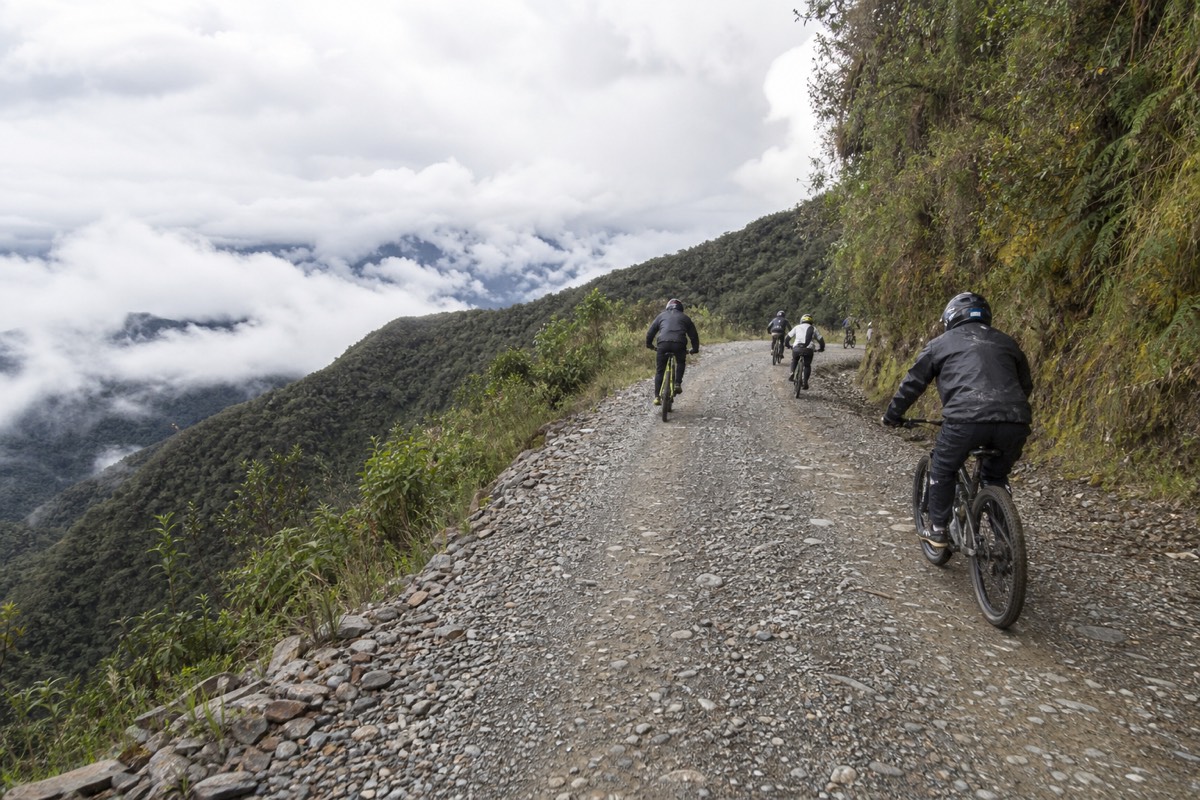
A typical day starts with an early La Paz meeting or confirmed pickup and a minibus climb to the La Cumbre pass by about 8:30 am. After a briefing, bike fitting and gear check, the descent begins near 9:15 am, moves onto the old gravel road by 10:00 am, and reaches the jungle at Yolosa around 1:00 pm, followed by lunch and the drive back.
The early start is not there to punish you. Guides want the group down the exposed cliff sections before the afternoon fog and rain roll up the valley, which is the single biggest reason a good operator leaves La Paz so early. The climb to La Cumbre also gives your body time to sit at altitude before any real effort, and if you want the full explanation of that, see our guide to acclimatising to the altitude in La Paz.
The paved opening stretch is a warm-up on smooth tarmac. It lets you test the brakes, get used to the bike, and settle your nerves before the surface turns to gravel. Once the group moves onto the old road, the pace slows, the guide leads, and the support vehicle follows behind with water, spares and space for anyone who wants to sit a section out.
The briefing at La Cumbre is where a good day is won. Guides walk through how to feather the brakes rather than grab them, how to keep your weight back on steep gravel, where the group will stop, and how far to stand from the edge when you do. Bikes are fitted to each rider, helmets and gloves handed out, pads checked. None of it takes long, and all of it sets the tone: this is a managed descent, not a race. The support driver notes who is riding, so the vehicle sweeping behind knows exactly how many people it is shadowing down the mountain.
By the time the group rolls into Yolosa near 1,200 metres, the temperature has climbed by twenty degrees or more and the hard riding is behind you. Lunch at a jungle spot is part of the standard day, a chance to swap stories and let the adrenaline settle before the long drive back up to La Paz. That return leg is uphill the whole way and takes a few hours, so most riders end up dozing against the window, which is its own quiet endorsement of how much the descent takes out of you.
| Time | What happens |
|---|---|
| 7:00 am | La Paz meeting point or confirmed hotel pickup, minibus loads |
| 8:30 am | Arrive La Cumbre, about 4,700 m |
| 8:45 am | Safety briefing, bike fitting, gear check |
| 9:15 am | Descent begins on the newer paved road |
| 10:00 am | Transition onto the old Death Road gravel |
| 10:30 am | First major cliff section and photo stop |
| 11:30 am | Mid-route stop, waterfall views, snacks |
| 12:30 pm | Lower Yungas, the jungle begins |
| 1:00 pm | Arrive Yolosa, about 1,200 m |
| 1:30 pm | Lunch in the Yungas, then the drive back to La Paz |
What Is Included In A Death Road Bike Tour, And What Is Not?
A standard tour includes a La Paz meeting point or confirmed hotel pickup, transport to La Cumbre, an English-speaking guide, a quality mountain bike, a helmet, gloves and protective gear, lunch in the Yungas, a support vehicle following the group, and return transport to La Paz. A liability waiver is not insurance; check the operator’s requirements and your own cover. Tips and personal travel insurance are usually extra.
The inclusions matter more than they look on paper. A bike you did not have to carry through an airport, a mechanic-maintained brake set, and a vehicle that shadows the group are the difference between a managed adventure and a gamble. The cheapest option often quietly drops the support vehicle, which is exactly the piece you least want to lose on a cliff road.
What is not included is short and honest: gratuities for the guide and driver, any souvenir photo or video package the operator offers, and your own travel insurance and any separately confirmed cover. Bring a little cash for tips and a snack, and check that your own policy covers adventure cycling before you go.
| Included | Usually not included |
|---|---|
| La Paz meeting point or confirmed hotel pickup | Tips for the guide and driver |
| Transport to La Cumbre | Souvenir photo or video packages |
| English-speaking guide | Extra drinks and snacks beyond those provided |
| Quality mountain bike | Check all insurance separately |
| Helmet, gloves, protective gear | |
| Lunch in the Yungas | |
| Support vehicle following the group | |
| Return transport to La Paz |
Should You Book The Standard Group Ride Or A Private Ride?
The shared Gravity ride and private biking option follow the same road corridor, with different operators, durations, meeting arrangements and restrictions. Compare their current itineraries and recent reviews, then choose by the services and guide attention your party wants.
Private guiding changes the amount of guide attention available to your party, rather than the road itself. Compare the latest reviews, actual meeting arrangements, included services and quote. A review score does not prove a safety advantage.
| Option | What To Compare |
|---|---|
| Shared Gravity ride | 13½ hours; adults 18+; central meeting point; community fees extra |
| Private bike day | 12 hours; dedicated guide; ages 10–70 and listed height/weight limits; confirm pickup |
| Longer Uyuni itinerary | Four-day bike/Uyuni bundle ends in Chile; five-day Uyuni round trip excludes the bike day |
Why Is Bike And Gear Quality The Real Safety Margin?
On a 3,500 metre descent your brakes do almost all the work, so the equipment is the safety system. A maintained full-suspension mountain bike with hydraulic disc brakes, fresh pads and good tyres, a certified helmet, gloves and body protection, plus a support vehicle carrying spares, is what separates a controlled ride from a risky one. This is where budget operators cut corners.
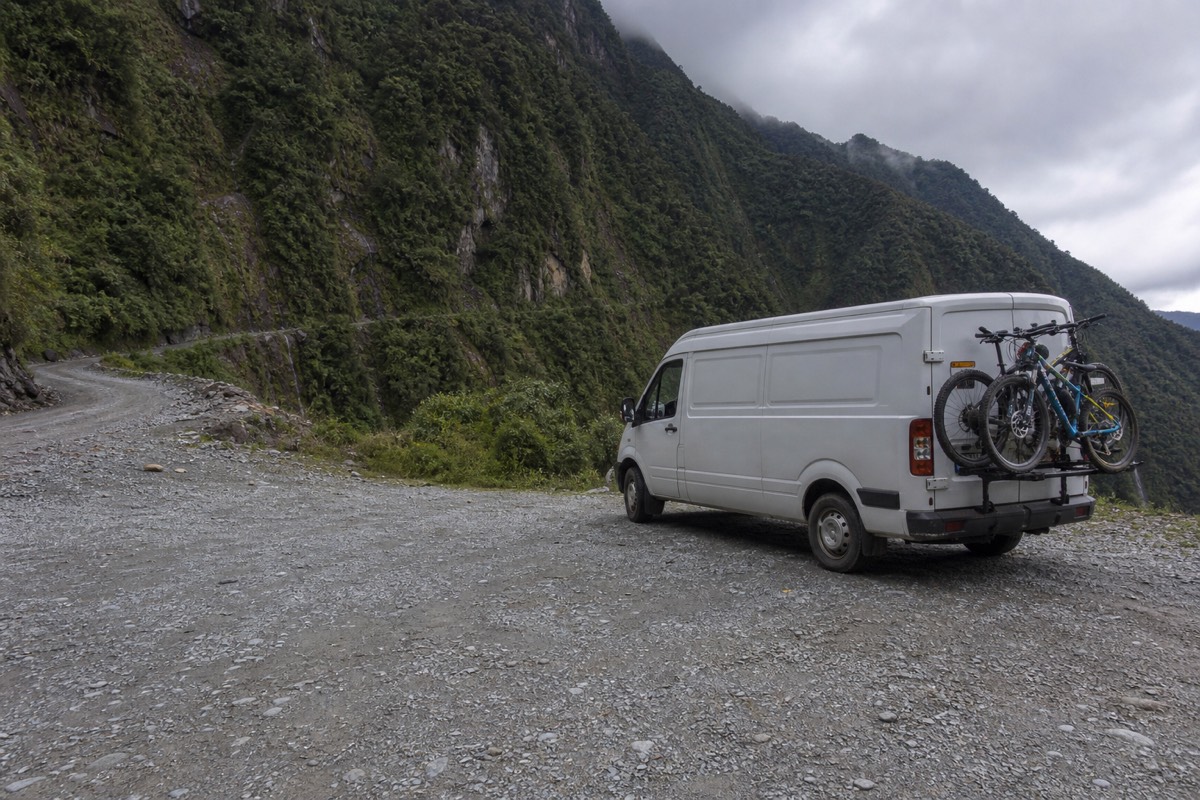
Think about what a long gravel descent asks of a bike. The brakes never really rest, so worn pads or a poorly bled system fade at exactly the wrong moment. Full suspension soaks up the washboard gravel that would otherwise bounce a hardtail's front wheel off line. The tyres have to bite loose stone. None of that is glamorous, and all of it is why paying a reputable operator is the honest recommendation across every guide we write.
The gear you wear is the second layer. Most Death Road spills are low-speed tips onto gravel, and they land on hands, elbows and knees, which is why gloves and pads are standard rather than optional. For the full kit list, including what to wear across the temperature swing, see a full packing checklist. Because you start in freezing Andean air and finish in jungle heat, layering is not a comfort choice, it is part of staying in control.
| Item | Why it matters |
|---|---|
| Full-suspension mountain bike | Soaks up gravel chatter and keeps the tyre tracking |
| Hydraulic disc brakes | Fade-resistant stopping over a 3,500 m descent |
| Fresh pads and tyres | Grip and control on a loose surface |
| Certified helmet | Non-negotiable head protection |
| Gloves and elbow or knee pads | The common low-speed spill lands on hands and joints |
| Support vehicle | Carries spares and water, and you if you stop |
| Layered clothing | 4,700 m cold to jungle heat within hours |
What Are The Sections Of The Road, From Tarmac To Jungle?
The ride breaks into clear segments: a paved warm-up in the cold high Andes, the start of the old-road gravel, the narrow cliff sections with their 500 to 600 metre drops, a waterfall zone where a stream crosses the road, and a fast, flowing jungle run-out into the warm Yungas near Yolosa. Each has its own surface, pace and scenery.
The paved opening is deceptively fast and cold. You are near 4,700 metres, the air is thin, and the tarmac lets speed build, so the guide sets a ceiling. When the surface turns to gravel and the real Death Road begins, everything slows down. This is the stretch people picture: a track about three metres wide in places, a wall of rock on one side and open air on the other. The BBC's feature on the world's most dangerous road captures why the exposure feels so raw.
Lower down, the cloud forest takes over. Waterfalls spill over and sometimes onto the road, the rock turns dark and wet, and the temperature climbs with every switchback. By the time the jungle closes in near Yolosa, the riding is faster and more flowing, the drops ease, and the smell of wet green replaces thin mountain air. Riders often say this shift, from snowline to jungle in a few hours, is the part they remember most, and it is a big reason so many decide the ride is worth it.
| Segment | Setting | What you ride | What you see |
|---|---|---|---|
| Paved warm-up | High Andes, cold, thin air | Smooth tarmac, gentle speed | Bare peaks, maybe snow |
| Old-road gravel begins | Cliff country | Loose gravel, real width | The first big drop-offs |
| Cliff sections | Narrowest stretch | Slow, braked, single file | 500 to 600 m of exposure |
| Waterfall zone | Cloud-forest edge | Wet rock, a stream crossing | Falls over and onto the road |
| Jungle run-out | Subtropical Yungas | Faster, flowing gravel | Green walls, warm air, Yolosa |
What Does The Ride Feel Like For Different Riders?
For a confident cyclist it feels like a long, exhilarating descent with jaw-dropping views and a few genuinely serious cliff sections. For a nervous or first-time rider it is slower and more deliberate, entirely rideable at a walking-pace crawl through the exposed parts. You control your own speed the whole way, and no one is pushed to ride anything they are not comfortable with.
The honest truth is that the Death Road rewards restraint, not bravado. Cautious riders can still encounter accidents or poor conditions. Speed is optional, the brakes are yours, and the support vehicle is always there if a section feels like too much. You do not need racing skill. You need to be comfortable braking on a loose surface and willing to listen to the briefing.
Fitness helps but is rarely the limit, since the route is overwhelmingly downhill. If you are wondering about that, we answer the fitness level required in full. The bigger factor is nerve and comfort on a bike, which is exactly why the private option suits anxious riders: an exclusive guide can coach you through the hardest parts at your own speed.
- Confident mountain biker: the group ride, ridden near your own pace within the guide's limits.
- Occasional cyclist: either option, kept comfortably in the mid-pack.
- Nervous or first-timer: the private ride, for coaching and an unhurried pace.
- Family or mixed group: the private ride, so speeds and stops flex to the slowest rider.
How Much Does A Death Road Tour Cost, And How Do You Book?
Compare current quotes for the same date and party. The shared Gravity ride includes a maintained bike, protective gear, a guide, transport and meals; community fees and gratuities are extra. Private guiding has its own pricing, and a multi-day Uyuni itinerary is a different purchase with different transport and lodging. Do not use a headline price as proof of safety.
Related reading: what a tour costs in La Paz.
Before booking, compare the actual equipment, guide arrangement, meeting instructions and extra fees. Keep the confirmation and cancellation terms so you know what has been reserved and how weather-related changes are handled.
An independent ride requires you to source a maintained bike, protective equipment and transport, then plan navigation and emergency support. Compare the complete cost of those arrangements with a guided trip; no fixed saving or comparative accident rate is established here.
| Quote To Request | What To Verify |
|---|---|
| Shared guided ride | Maintained bike, protective kit, guide ratio, meeting point, transport, meals and extra fees |
| Private guided ride | Party price, dedicated guide, confirmed timing, bike and transport, age/height/weight restrictions |
| Independent arrangements | Bike condition, protective kit, transport both ways, navigation, local access and emergency arrangements |
Who Should Ride The Death Road, And Who Should Skip It?
Most reasonably fit adults who are comfortable braking a bike can ride the Death Road safely with a good operator. You should think twice if you have never ridden on loose surfaces and panic easily, if you have a heart condition or serious altitude issues, or if you are pregnant. It is an adventure activity with real exposure, not a theme-park ride.
The people who thrive are the ones who respect the road. You do not need to be an athlete, and the descent does most of the work, but you do need to keep your speed honest and follow the guide. Anyone worried about the exposure should book the private option and tell the guide up front, so the pace is set around you from the first gravel corner.
There are also fair reasons to sit it out. A severe fear of heights can make the cliff sections genuinely unpleasant rather than thrilling. Unmanaged altitude sickness at La Paz's elevation is a real medical concern, not a nuisance. If either applies, a support-vehicle seat down the mountain, or a different Bolivian adventure altogether, is the smarter call. Our guided Death Road tours from La Paz are built around that honesty, not around talking everyone into the saddle.
Age is rarely the barrier people expect. Older riders who are comfortable on a bike and have cleared the altitude tend to do fine, because judgement and restraint count for more than raw fitness on a descent. Children are a different question, and most operators set a minimum age and expect a responsible adult riding alongside younger teenagers. If you are unsure whether the day suits your group, the private option is the honest way to keep control of the pace and the number of stops. Tell the guide your worries before you start, not halfway down.
How Do You Prepare In The Days Before The Ride?
Give yourself at least one full day in La Paz to sit at 3,600 metres before you ride, book with a reputable operator rather than a walk-in shop, and pack for a big temperature swing. Choose the dry season if your dates are flexible, start hydrated, eat a real breakfast, and pre-book so your bike, guide and support vehicle are locked in.
Acclimatisation comes first. La Paz sits high, and the pass is higher still, so arriving a day or two early and taking it easy pays off on the bike. The single most weather-dependent decision is timing, and we map out the best time of year to ride month by month. Logistics are simple once you are booked: most operators handle the pickup, and if you are arranging your own approach, here is getting to La Cumbre from La Paz.
Do not fly into El Alto at over 4,000 metres and ride the next morning. The airport sits on the altiplano above the city, while La Paz itself is lower, in its canyon at around 3,600 metres, so even the drive down into town is part of adjusting. A day or two of easy sightseeing, plenty of water and light meals gives your body the time it needs. Riders who skip that step are the ones most likely to feel flat and headachy at the pass, exactly when they want to be sharp for the first gravel corners.
The original advertised combo is no longer a verified booking destination. The four-day integrated option here ends in Chile; the five-day Uyuni trip returns to La Paz and requires a separate Death Road booking. Compare those actual itineraries and current quotes, including buses, basic lodging and extra fees.