Death Road And La Paz Altitude: Acclimatization Guide Before You Ride
You land at over 4,000 metres and the ride starts higher still. A day or two of getting used to the altitude in La Paz is what turns a gasping morning into a clear-headed descent.
Use the section recommendations as you read, then tailor the booking choice after the FAQs.
How far the Death Road drops
Elevations are approximate, from the operator's route and public sources; the profile is schematic, not to horizontal scale.
Quick Booking Choice Compare the shared full-day descent with a private riding day, using actual inclusions and enough time for the return to La Paz.
Check Your Death Road Ride DateHow High Are La Paz And The Death Road?
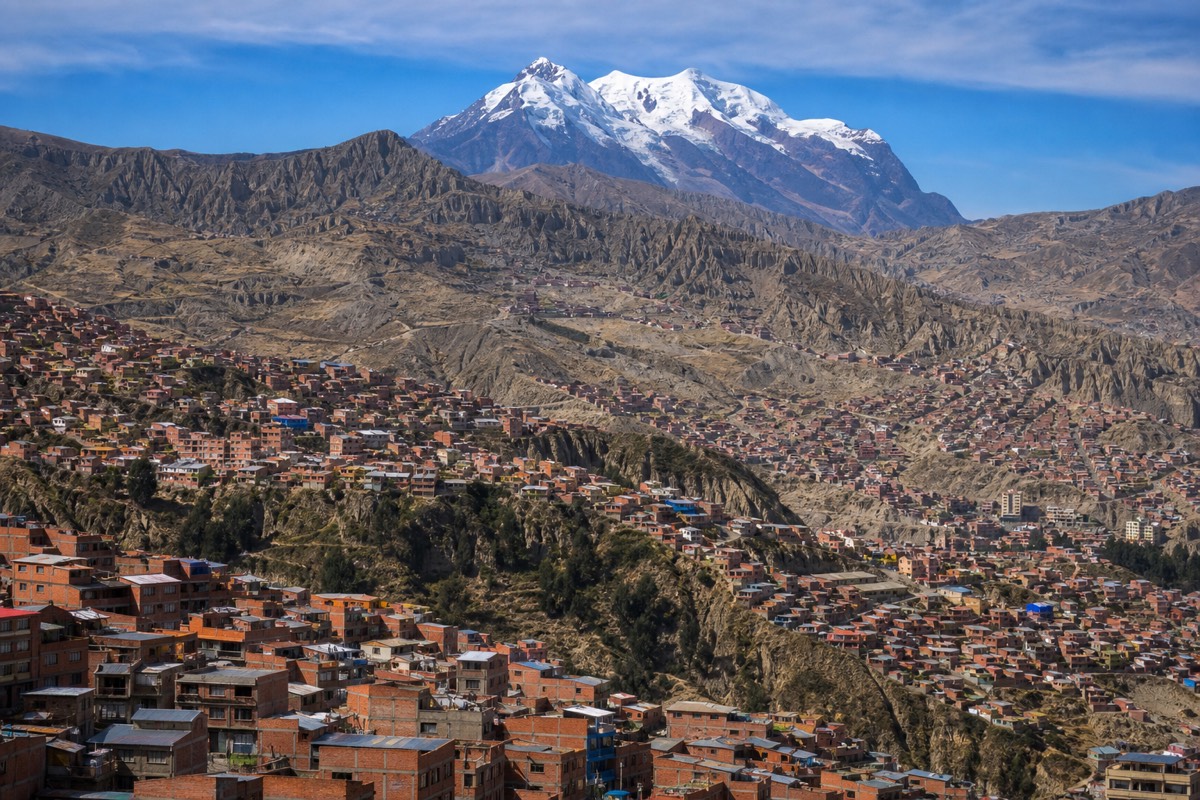
La Paz sits in a canyon around 3,600 metres, and its airport at El Alto stands even higher near 4,061 metres, so most visitors land above 4,000 metres. The Death Road ride starts higher still, at the La Cumbre pass close to 4,700 metres, then descends to about 1,200 metres in the warm Yungas. That vertical range is exactly why getting used to the altitude before you ride matters.
Numbers help here. If you fly in from near sea level, your body has spent its whole life with roughly a third more oxygen in each breath than it will get on your first night in La Paz. Step off the plane at El Alto and you are already higher than many mountain summits. The ride then climbs above the city to the pass before pointing downhill, so the highest and coldest moment of the trip comes right at the start, when your legs are fresh but your lungs are working hardest.
To put those figures in perspective, La Cumbre sits higher than almost any mountain in the Alps or the continental United States, and you begin the ride there rather than working up to it over days. This is part of what makes the Death Road such a striking experience and part of what earned it a place in every list of the world's most dangerous road stories: the sheer scale of the drop. The upside for your body is that you spend only a short while at the very top before gravity carries you down into thicker, warmer air.
The descent itself is dramatic. Over roughly 60 kilometres you drop about 3,500 metres, from thin alpine air into humid cloud forest. Because the North Yungas Road loses so much height so quickly, the air thickens and warms as you go, and breathing gets easier by the minute. The catch is the beginning. Every ride we point you to at Death Road Bolivia Tours starts up at the pass, so arriving already adjusted is the single best thing you can do for the day.
| Place | Elevation | Note |
|---|---|---|
| Sea level (reference) | 0 m | Where most visitors normally live |
| El Alto airport (LPB) | ~4,061 m | Where you land |
| La Paz city center | ~3,600 m | Where you sleep and adjust |
| La Cumbre pass (ride start) | ~4,700 m | Highest point of the day |
| Coroico / Yolosa (ride finish) | ~1,200 m | Warm Yungas jungle |
What Does Altitude Sickness Feel Like At La Paz Elevation?
At La Paz elevation, mild altitude sickness usually shows up as a headache, shortness of breath on stairs, poor sleep, mild nausea, dizziness and fatigue within the first day. It normally eases over one to three days as your body adjusts. Severe forms are rare but serious: any confusion, breathlessness at rest or a persistent wet cough needs prompt descent and medical help.
Most travelers feel some version of the mild list, and it is easy to mistake for a hangover or jet lag. A dull headache and a night of broken, breathless sleep are the classic first signs. The key distinction is direction of travel. Symptoms that stay mild and fade over a couple of days are normal adjustment. Symptoms that get worse, especially a headache that will not lift with rest and water, or vomiting, mean you should stop, rest lower, and take it seriously rather than pushing on.
Sleep deserves a special mention, because it catches people who feel fine during the day. At altitude your breathing can slow and stutter as you drift off, sometimes pausing and then catching up with a gasp, which leaves you waking through the night and feeling wrecked in the morning even without a real headache. This is common and usually improves after the first night or two. Going easy on alcohol, keeping the room a little cool and staying hydrated all help, and it is one more argument for giving yourself two nights in the city rather than one before an early ride start.
| Level | Common signs | What to do |
|---|---|---|
| Normal adjustment | Mild headache, breathless on exertion, broken sleep | Rest; do not ascend with symptoms |
| Mild AMS | Persistent headache, nausea, dizziness, tiredness | Rest, fluids, avoid alcohol, do not go higher |
| Moderate AMS | Worse headache not eased by rest, vomiting | Stop ascending and seek medical advice; descend if worsening |
| Severe (rare) | Confusion, breathless at rest, wet cough, loss of coordination | Descend at once, seek medical care |
This is general guidance, not medical advice. If you have any doubt about your own health at altitude, talk to a doctor before the trip, and tell your guide on the day if you feel unwell. Because the ride begins by climbing to 4,700 metres, the morning of the descent is not the time to be fighting a bad headache.
How Many Days Do You Need To Acclimatize Before You Ride?
Plan gradual acclimatization before the ride and leave flexibility for more rest. One or two nights cannot guarantee readiness for the 4,700-metre start. Avoid heavy exercise in the first 48 hours at altitude, and do not ascend while symptoms persist.
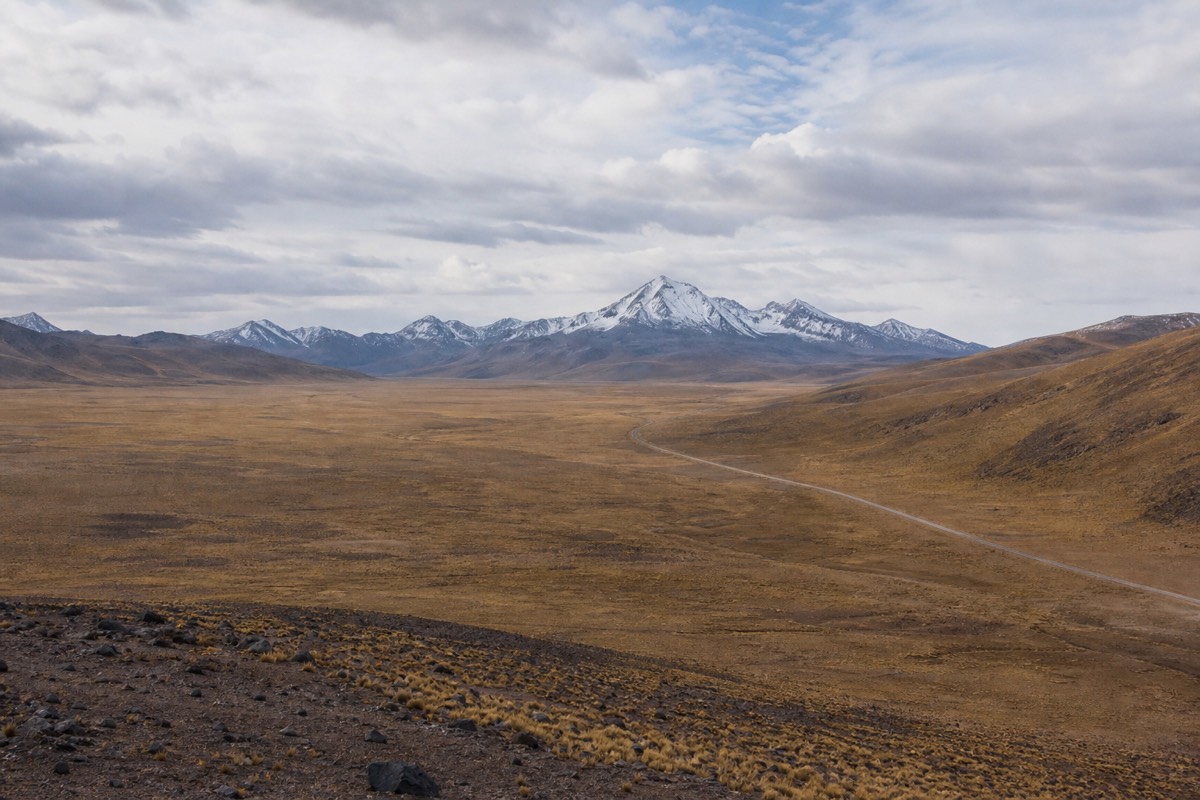
Arriving from sea level makes a rapid ascent to La Paz a substantial change. Consider a gradual approach where possible and discuss your itinerary with a travel clinician. Previous nights at altitude may help, but readiness depends on your symptoms and health rather than a fixed night count.
| Day | What to do | Elevation focus |
|---|---|---|
| Day 0 (arrival) | Land, move slowly, drink water, eat light, early night | Rest at ~3,600 m |
| Day 1 | Rest and avoid heavy exercise; short walks only when well | Let the body adjust |
| Day 2 | Reassess readiness; postpone if symptoms persist | Start 4,700 m, finish 1,200 m |
| Extra day | Recommended if you flew in from sea level | Buffer for slower adjusters |
Planning the surrounding days well makes this easier. Our guide to the best months to ride helps you line up the weather, and if you are chaining destinations, arriving from another high-altitude stop shortens the adjustment you need in La Paz.
Why Is A Downhill Ride Easier On Your Lungs Than Climbing?
The Death Road is almost all descent, so gravity does the work, not your legs and lungs. Coasting and braking demand far less oxygen than pedaling uphill would at the same altitude, which is why people who could never climb at 4,700 metres still enjoy this ride after basic acclimatization. You feel the thin, cold air at the top, but steering and braking still demand hours of concentration and effort.
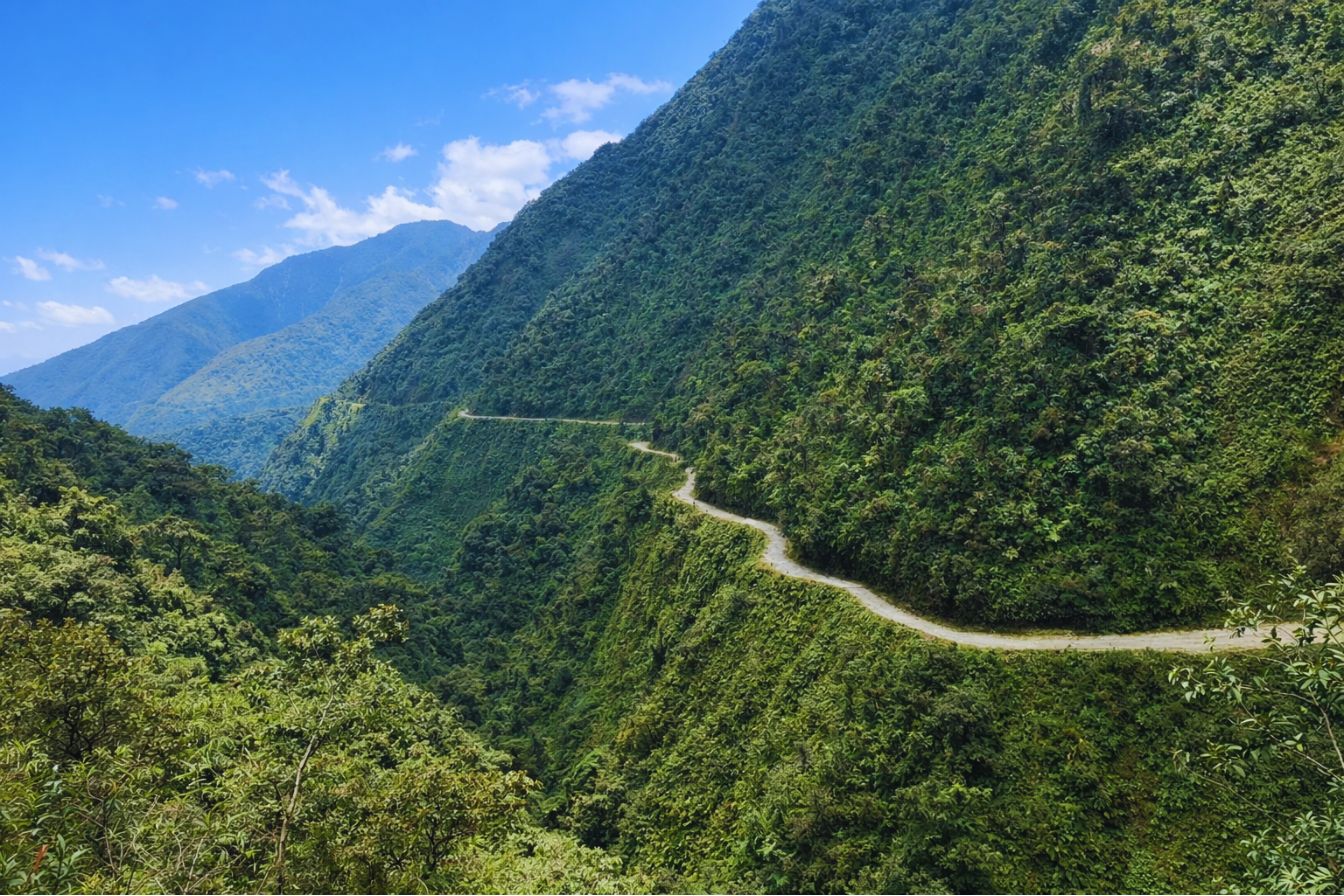
This is the point that reassures nervous riders most. Hard exercise at high altitude is genuinely punishing, because your muscles are screaming for oxygen that the thin air cannot supply fast enough. Rolling downhill flips that equation. You are managing speed, reading the surface and braking, not generating power, so you still have to steer, brake and concentrate for hours. The altitude you feel is mostly about the cold and the first few breaths at the pass, not about a struggle to keep moving.
There is a small catch worth naming. Braking and controlling a bike for hours is its own kind of tired, mostly in your hands, forearms and shoulders rather than your lungs. Riders sometimes finish surprised at how worked their grip feels, even though they never felt out of breath. That is normal and has nothing to do with altitude. Shaking your hands out at the stops, keeping a relaxed grip and letting the bike roll where the surface allows all help. Descending reduces the amount of climbing, but it does not remove altitude risk or physical effort.
That is also why fitness is not the gatekeeper people assume. You do not need to be an athlete to enjoy the descent, though basic bike handling and comfort on gravel help a lot. We cover exactly the fitness level the ride asks for in a separate piece, and the short version is that being acclimatized matters more than being fast. For the full shape of the day from briefing to jungle lunch, see how the full ride works.
What Is The Altitude Profile Of The Death Road Ride?
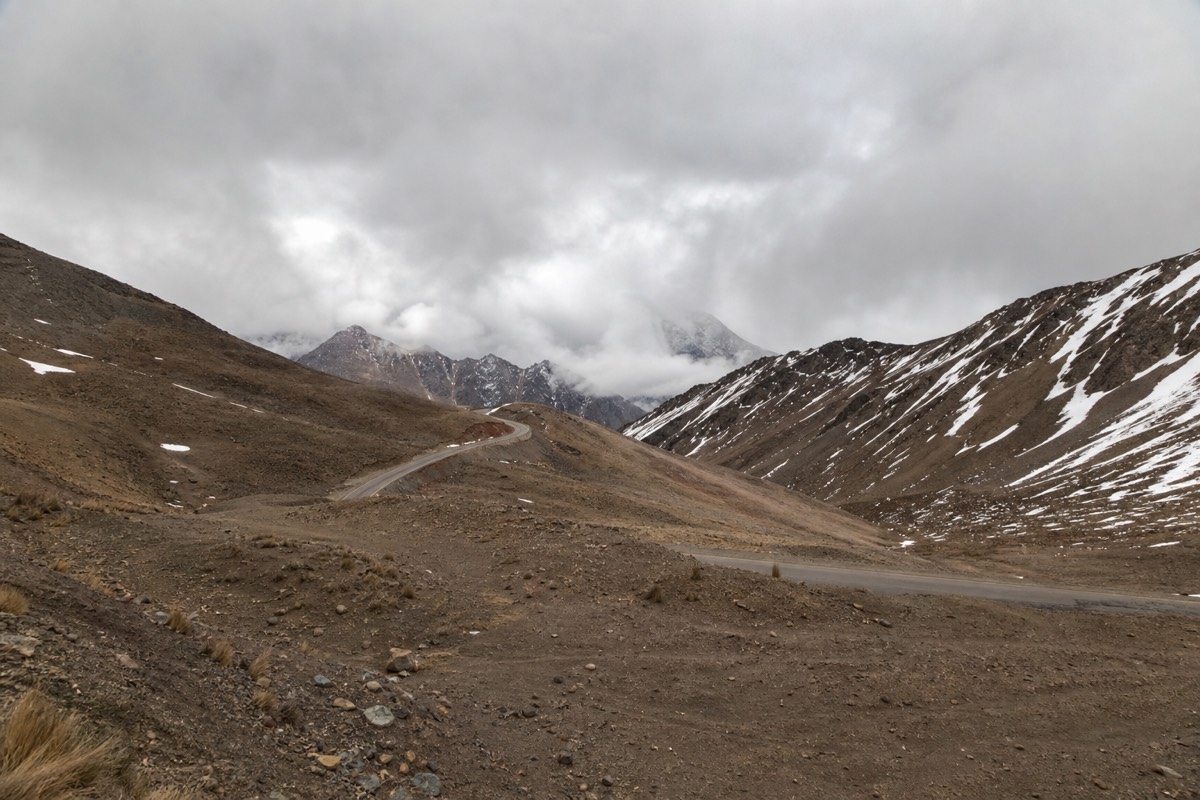
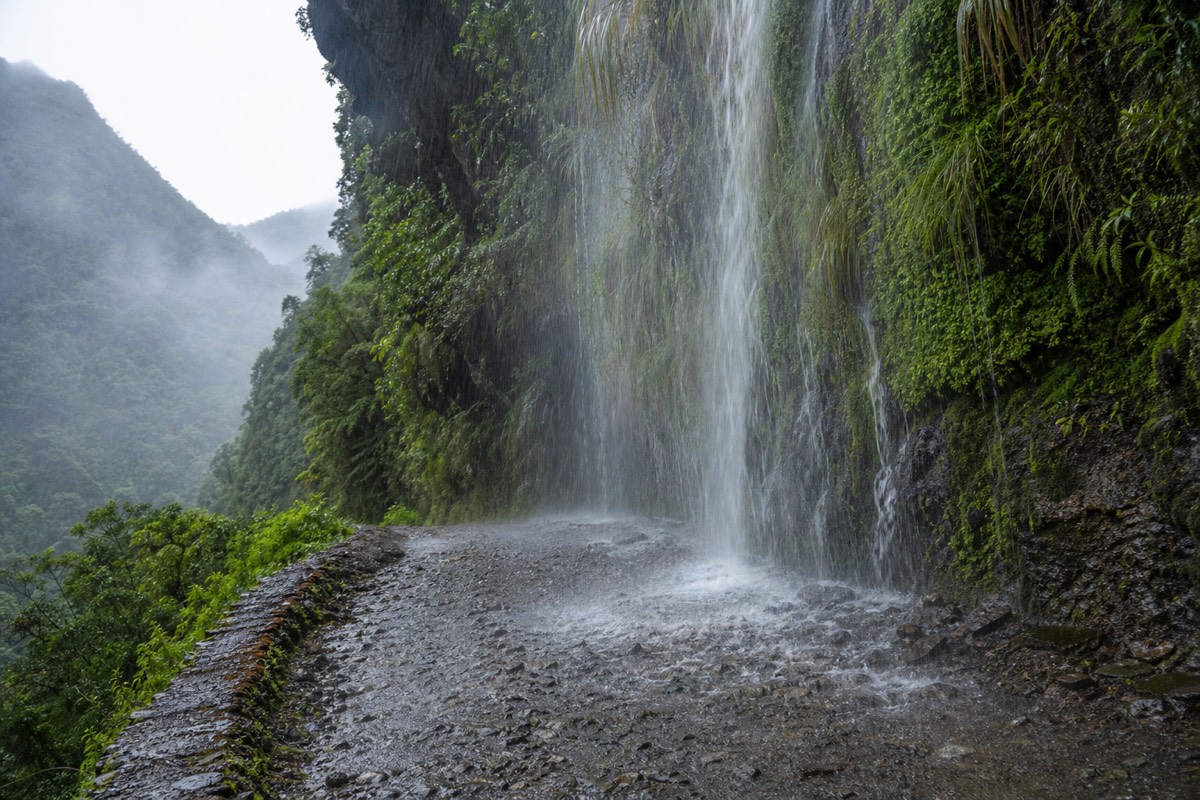
The ride opens at the La Cumbre pass near 4,700 metres, runs paved for the first stretch, then joins the old gravel road around 3,600 metres. It keeps dropping past mid-route waterfalls near 2,000 metres to the jungle finish close to 1,200 metres, a total descent of about 3,500 metres. You lose height steadily, so the air thickens and warms the whole way.
Reading the profile helps you plan your body and your clothing together. The first section, high and cold, is where the altitude is most noticeable and where warm layers earn their place. By the time the gravel road proper begins, you have already dropped over a thousand metres from the pass and breathing feels easier. Each waypoint down the mountain trades a little altitude for a little more oxygen and warmth, until the humid jungle floor feels like a reward for the cold start.
| Stage | Approx elevation | Air | What changes |
|---|---|---|---|
| La Cumbre start | ~4,700 m | Thin, cold | Briefing, then paved descent |
| Gravel begins | ~3,600 m | Still thin | Old Death Road starts |
| Mid-route waterfalls | ~2,000 m | Noticeably richer | Layers come off |
| Yolosa finish | ~1,200 m | Full, humid | Warm jungle, easy breathing |
Reading it top to bottom, the profile also explains why people feel so different at the two ends of the ride. High up, a simple task like lifting the bike or walking back for a photo leaves you puffing, because there is genuinely less oxygen in each breath. By the waterfalls the same effort barely registers, and at the jungle floor you can talk and move normally without thinking about it. Nothing about your fitness changed in those few hours; the air did. That is the whole reason the descent feels like a reward rather than a workout.
How Do You Prevent Altitude Sickness In La Paz?
Reduce altitude-illness risk with gradual acclimatization and an individualized plan, drinking plenty of water, skipping alcohol and heavy meals on the first day, and moving slowly at first. Coca tea, or mate de coca, is the traditional local aid and is widely used across the Andes. Some travelers take acetazolamide after speaking with a doctor. Do not treat your first day as a full sightseeing sprint.
Drink normally and avoid dehydration, but do not force extra water as an altitude remedy. Coca tea is a local tradition, not an established preventive treatment. Rest and gradual acclimatization are the important planning steps; discuss medication with a clinician before travel.
| Do | Don't |
|---|---|
| Drink normally; avoid forcing excessive water | Drink alcohol on your first day |
| Rest on arrival, move gently | Over-exert or rush up hills |
| Do not rely on coca tea for prevention | Ignore a headache that keeps getting worse |
| Eat light, carb-friendly meals | Fly in and ride the same day |
| Ask a doctor about medication | Self-prescribe without advice |
Medication is a personal decision. Acetazolamide is commonly used to help the body adjust and is prescribed by many travel doctors, but it has side effects and is not for everyone, so the honest advice is to raise it with a medical professional before you travel rather than sorting it out on the road.
Food plays a quieter role than most people realize. Big, heavy, fatty meals sit badly at altitude and can worsen that first-night grogginess, so lean toward lighter, carbohydrate-friendly plates while you adjust, and eat little and often if a full meal feels like too much. La Paz makes this easy, with plenty of simple soups, breads and warm dishes that go down well when your appetite is off. Skip the temptation to celebrate arrival with a huge dinner and a few drinks; save that for after the ride, when you are back down and adjusted and your body is not fighting the elevation.
Who Should Be Cautious About The Altitude?
People with heart or lung conditions, uncontrolled high blood pressure, sickle cell disease, or who are pregnant should get medical advice before high-altitude travel and this ride. Anyone who felt seriously ill at altitude before should be cautious too. The descent itself is low-effort, but you begin at 4,700 metres, and the La Paz stay keeps you above 3,600 metres for days.
None of this is meant to scare a healthy adult off a downhill bike ride. The vast majority of visitors adjust within a day or two and enjoy the descent with no more than a first-night headache. The point of the list below is simply that altitude is a real physiological load on top of the ride, and a handful of conditions deserve a proper conversation with a doctor first rather than a wait-and-see approach at 3,600 metres.
Children and older travelers are worth a specific word. Plenty of fit older adults ride the Death Road happily after adjusting, so age alone is not a barrier; the same acclimatization rules simply matter more. Young children are a different case, since they cannot always describe how they feel at altitude, which makes early warning signs harder to catch. This is not a typical ride for small kids, and families are usually better served treating the descent as an activity for teenagers and adults. When in doubt, the safe move is a conversation with a doctor who knows your history rather than a judgment call on the day.
| Situation | Consideration |
|---|---|
| Heart or lung condition | Get doctor clearance before high-altitude travel |
| Pregnancy | Discuss altitude and cycling risk with a doctor |
| Prior severe altitude sickness | Extra adjustment days, medical advice |
| Uncontrolled high blood pressure | Medical review before travel |
| Very young children | Caution; not typical for this ride |
| Generally fit, acclimatized adult | Assess fitness, bike control and operator requirements |
What Can You Do On An Acclimatization Day In La Paz?
Spend an adjustment day on gentle, low-effort things: wander the markets, ride the cable-car lines for the views, sip coca tea in a cafe, and eat well without overdoing it. Keep your walking slow, especially on La Paz's steep streets, and skip a big hike or a late night before your ride. The goal is easy movement and good sleep, not exertion.
La Paz rewards a slow day beautifully. The cable-car network glides you high above the city for enormous views without a single step of climbing, which is perfect when your lungs are still adjusting. Markets, plazas and museums give you plenty to see at a stroll. The one trap to avoid is treating your rest day like a fitness day: a hard hike up to a viewpoint or a heavy night out is exactly what tips a mild headache into a rough morning.
La Paz also happens to be a genuinely rewarding city to move through slowly, which makes the enforced gentle pace feel like a treat rather than a chore. The Witches' Market, the crowded street stalls, the mix of Aymara tradition and modern city life, and the views back up at the surrounding peaks give you plenty to take in without breaking a sweat. Treat the adjustment day as part of the trip, not dead time before the ride. You get to see the city properly, your body catches up quietly in the background, and you roll up to the pass the next morning feeling like yourself.
| Activity | Effort | Why it works |
|---|---|---|
| Cable-car (Mi Teleférico) rides | Very low | Big views, no climbing |
| Markets and plazas stroll | Low | Gentle movement, easy pace |
| Cafe coca tea break | None | A rest stop; not an altitude remedy |
| Museum visits | Low | Indoor rest, still engaging |
| Skip: hard hikes or late nights | High | Saves energy for the ride |
Use the day to sort your gear too, so ride morning is calm. Lay out warm layers for the cold top and lighter clothing for the jungle, and check our clothing and gear checklist so nothing is missing. Knowing the drive up to La Cumbre in advance also takes the guesswork out of the early start.
When Are You Ready To Ride, And What Should You Book?
Feeling better does not provide medical clearance or guarantee readiness for a 4,700-metre start. Do not ride with unresolved symptoms. Once well and acclimatized, assess the operator’s physical and cycling requirements and leave room to postpone.
The shared Gravity ride and private biking option follow the same road corridor, with different operators, durations, meeting arrangements and restrictions. Compare their current itineraries and recent reviews, then choose by the services and guide attention your party wants.
Related reading: Uyuni.
Altitude note: gradual acclimatization matters. Avoid heavy exercise in the first 48 hours at altitude. Do not go higher with persistent symptoms; worsening illness needs medical advice, and breathlessness at rest, confusion or loss of coordination requires urgent help and descent. Downhill cycling and a private guide do not remove these risks.