Death Road And Uyuni Salt Flats: How To Combine Both In One Bolivia Trip
Bolivia's two headline experiences sit at opposite ends of the country and the thermometer. One trip can hold both, if you sequence it right.
Use the section recommendations as you read, then tailor the booking choice after the FAQs.
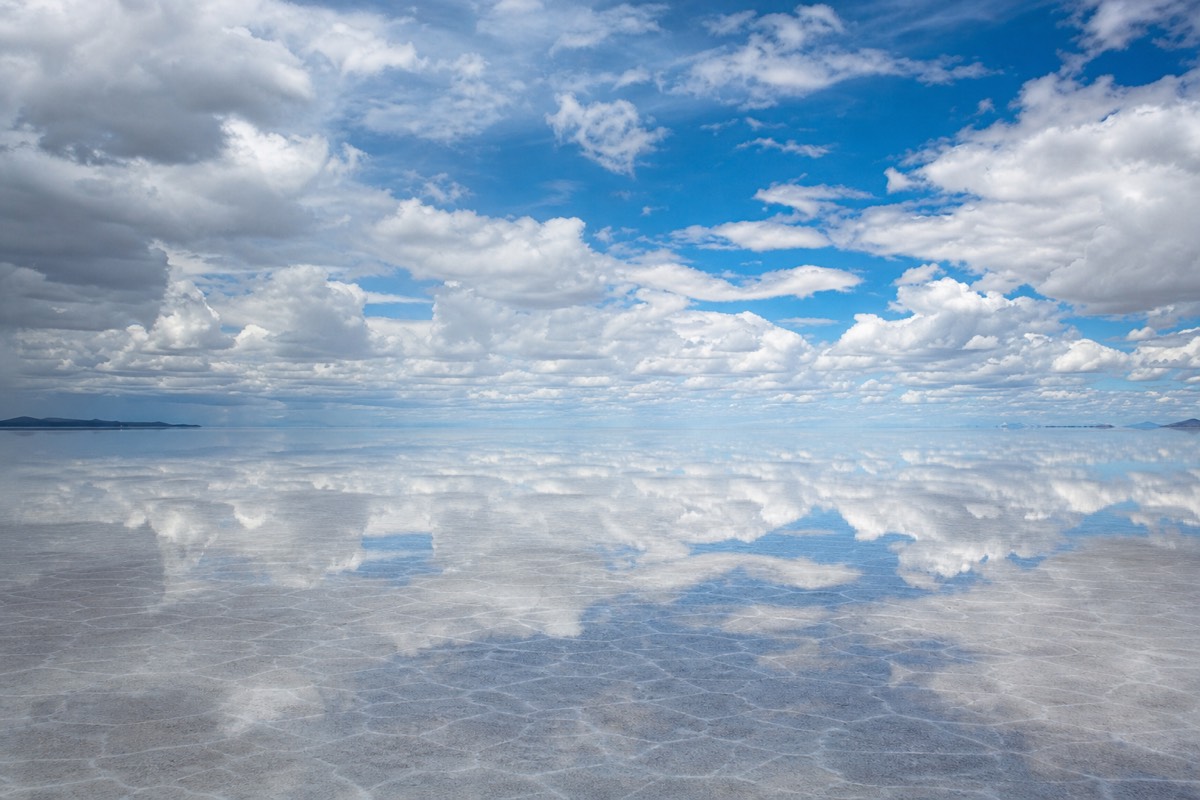
Booking distinction: the original advertised combo is no longer a verified product. The four-day combined option below ends in San Pedro de Atacama, Chile, and uses a same-night bus after riding. The five-day Uyuni option returns to La Paz and does not include Death Road. Treat the illustrative week outline below as a self-arranged plan; do not assume its timing, flights or hotels are included in either product.
Illustrative self-arranged week; neither linked product includes this exact schedule or flights.
Quick Booking Choice Two clear routes: a bike day booked separately from the five-day Uyuni round trip, or one four-day combination ending in Chile. Allow additional acclimatization time.
Check Your Uyuni Trip DateCan You Combine The Death Road And Uyuni Salt Flats In One Trip?
Yes. The two are Bolivia's signature experiences and they pair naturally into one week. The combined trip stitches the Death Road bike day near La Paz together with a 3-day, 2-night Uyuni 4x4 tour of the salt flats, so you get the world's most famous descent and the world's largest salt flat in a single itinerary with a clearly specified connection.
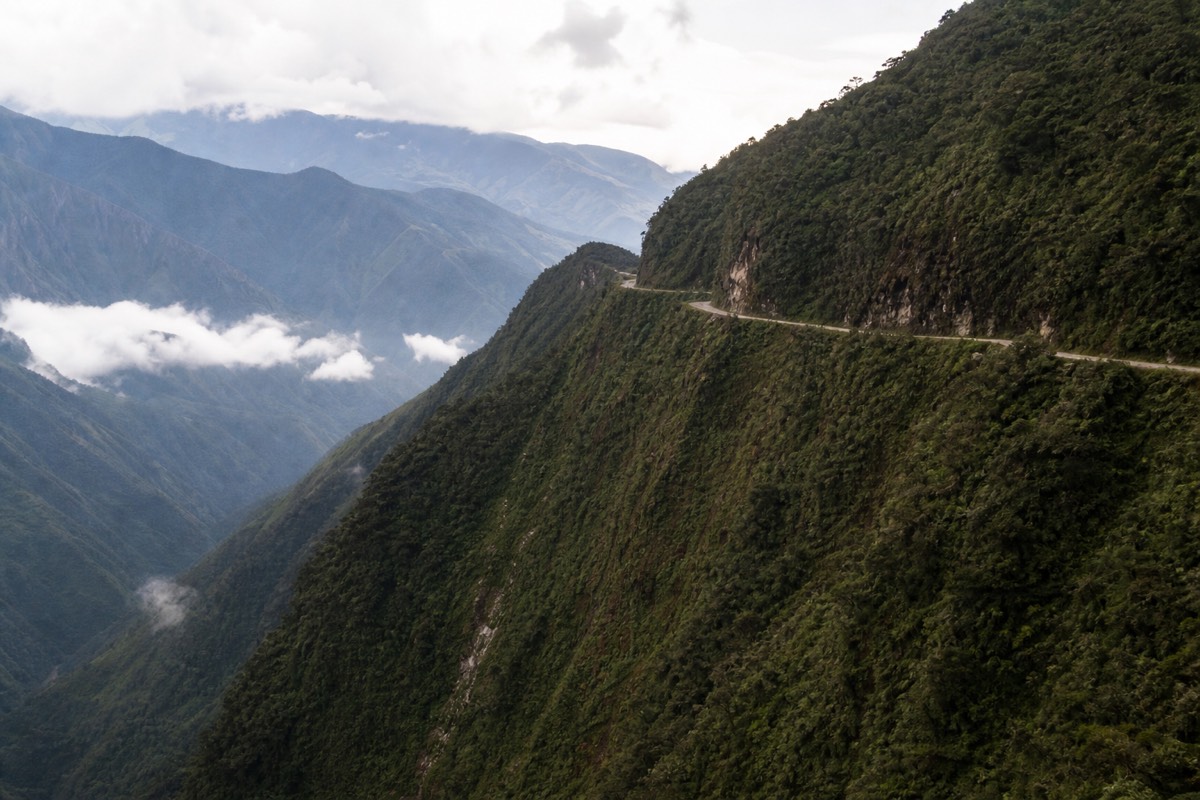
The logic is geographic. La Paz is the launch point for the Death Road, and Uyuni is a flight or an overnight bus to the south. Rather than book two separate trips and juggle the transfers yourself, the combined package handles the sequencing: the ride, the transport between the two, and the multi-day salt-flat expedition with lodging. It is the efficient way to see both without losing days to logistics.
The appeal is that these are Bolivia's two most requested experiences, and they complement rather than repeat each other. One is a fast, downhill morning on a cliff-cut track that runs from freezing altitude into jungle. The other is three unhurried days across a blinding white salt flat and the high, coloured lagoons beyond it. Travellers who come all the way to Bolivia rarely want to choose between them, and the calendar usually allows both inside a single week if the days are arranged with a little care.
The original advertised combo is no longer a verified booking destination. The four-day integrated option here ends in Chile; the five-day Uyuni trip returns to La Paz and requires a separate Death Road booking. Compare those actual itineraries and current quotes, including buses, basic lodging and extra fees.
What Does The Death Road Plus Uyuni Combo Include?
The combo bundles the full Death Road bike day (pickup, transport to La Cumbre, guide, bike, gear, support vehicle and return) with a 3-day, 2-night Uyuni 4x4 expedition covering the salt flats, Incahuasi Island and its giant cacti, the coloured high-altitude lagoons, and their flamingo colonies. Transport between La Paz and Uyuni and lodging on the salt-flat leg are part of the package.
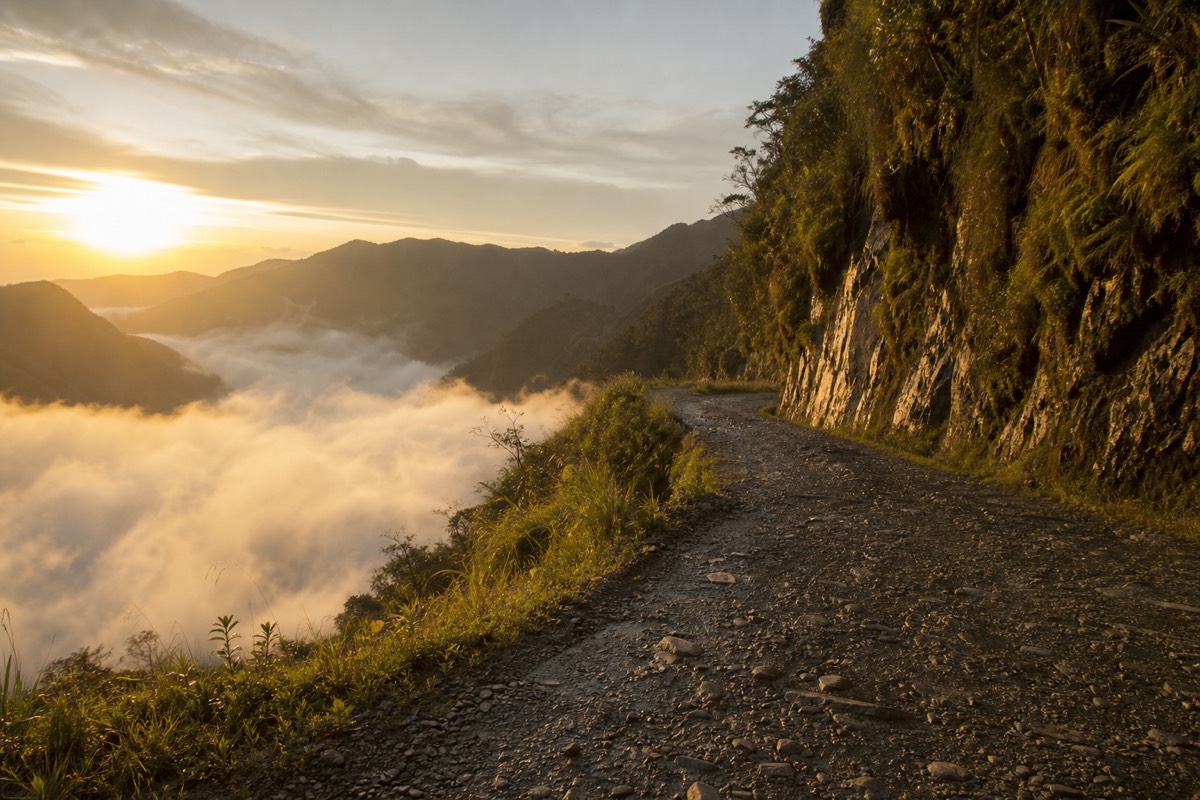
Think of it as two well-known trips fused at the middle. The Death Road half is identical to the standalone ride: the same early start, the same descent from around 4,700 metres to 1,200 metres down the North Yungas Road, its own operator and support arrangements. The Uyuni half is a classic southwest-Bolivia 4x4 loop, spending days on the salt crust and the surrounding altiplano rather than hours. What links them is the operator arranging the connection so you are not booking two trips blind.
The two-night structure of the Uyuni leg is what makes it more than a photo stop. A single day on the salt flat only reaches the edge; the 3-day, 2-night format pushes deep into the southwest, out to the coloured lagoons and the flamingo colonies that sit hours beyond the salt itself. You sleep in basic lodges along the way, often a salt hotel on the flat, and cover a large loop of remote high-altitude country most visitors never see. That depth is the reason the combo is priced as a multi-day expedition rather than a day tour.
| Combo leg | What it covers | Duration |
|---|---|---|
| Death Road bike day | Pickup, La Cumbre start, guided descent, support vehicle, lunch, return | 1 day from La Paz |
| La Paz to Uyuni transfer | Overnight bus included in the verified options; flights are a separate arrangement | Around 1 hour flying, 9 to 10 hours by bus |
| Uyuni 4x4 expedition | Salt flats, Incahuasi Island, coloured lagoons, flamingos, lodging | 3 days, 2 nights |
If you only want the ride, the standalone options are the standard full-day group ride and the private Death Road ride. The combo is the choice when the salt flats are already on your list.
How Many Days Do You Need For Both?
Budget about six to seven days for a comfortable combined trip. That covers one or two days acclimatising in La Paz, the Death Road ride, a travel day to Uyuni, the 3-day, 2-night salt-flat expedition, and the trip back. Squeezing it tighter is possible but leaves no slack for altitude, weather or a delayed flight.
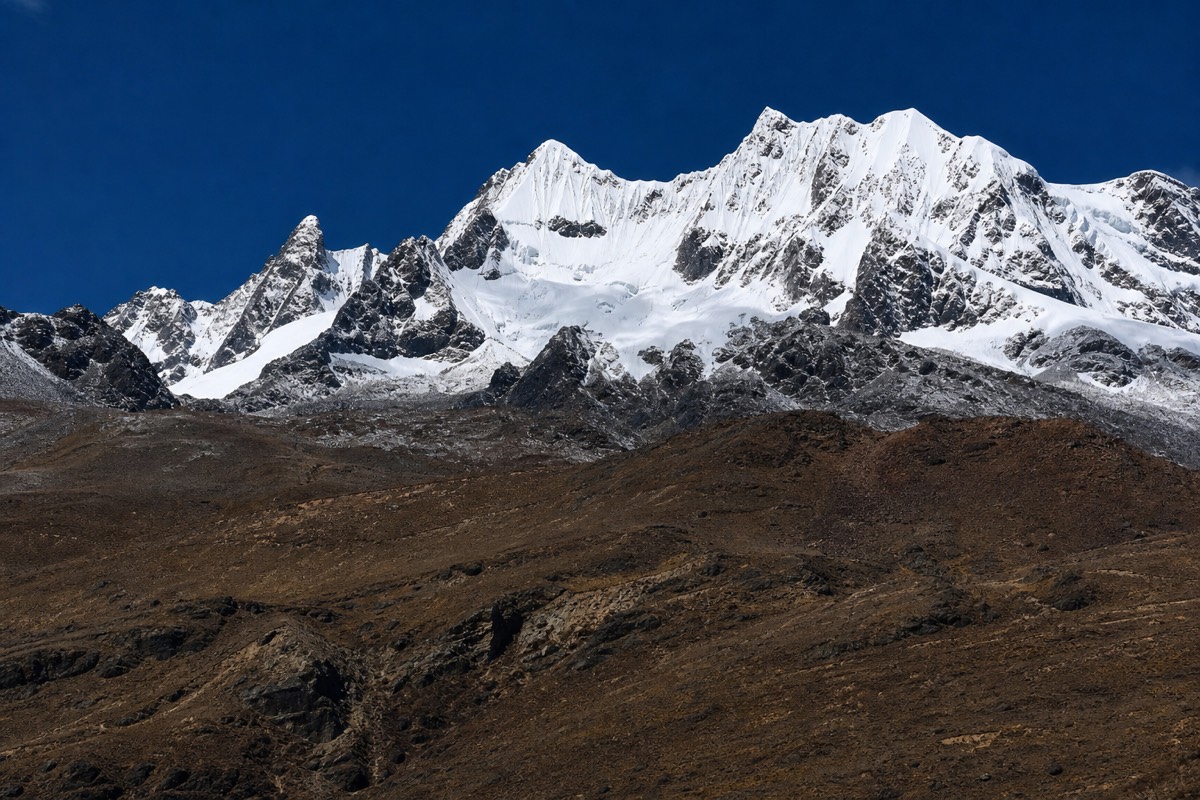
The acclimatisation days at the front are not padding. La Paz sits at around 3,600 metres and Uyuni is higher still on the altiplano, so arriving from sea level and immediately riding at 4,700 metres invites altitude sickness. A day or two in La Paz first is the single best thing you can do for the whole trip. The salt-flat leg itself reaches high, cold lagoons, so the acclimatisation you build early pays off twice.
Where you can compress, if your dates are tight, is at the edges rather than the middle. Some travellers arrive in La Paz, take one full acclimatisation day, ride the next, and fly to Uyuni the following morning, which trims the trip toward six days. What you should not compress is the acclimatisation window or the Uyuni expedition itself; the salt-flat loop covers long distances between its highlights, and a rushed one-day version misses the lagoons entirely. Build the week around protecting those two, and the rest flexes to fit your flights home.
| Day | Where | What happens |
|---|---|---|
| Day 0 to 1 | La Paz | Arrive, acclimatise at around 3,600m, explore the city |
| Day 2 | Death Road | Full bike day, La Cumbre down to the Yungas and back |
| Day 3 | La Paz to Uyuni | Fly or take the overnight bus south |
| Day 4 | Uyuni salt flats | Salt crust, Incahuasi Island and its cacti |
| Day 5 | Coloured lagoons | High-altitude lagoons, flamingos, remote altiplano |
| Day 6 | Return | Back to Uyuni, then onward to La Paz or your next stop |
The altitude across both legs is real, so read acclimatising to La Paz altitude before you lock the dates. It applies just as much to the lagoons as to the ride.
How Do You Get From La Paz To Uyuni?
Two routes connect La Paz and Uyuni: a short flight of roughly one hour, or an overnight bus of around 9 to 10 hours. Flying saves most of a day and is the popular choice inside a packed combo. The overnight bus is cheaper and turns the transfer into a sleeping night, at the cost of comfort and a little reliability.
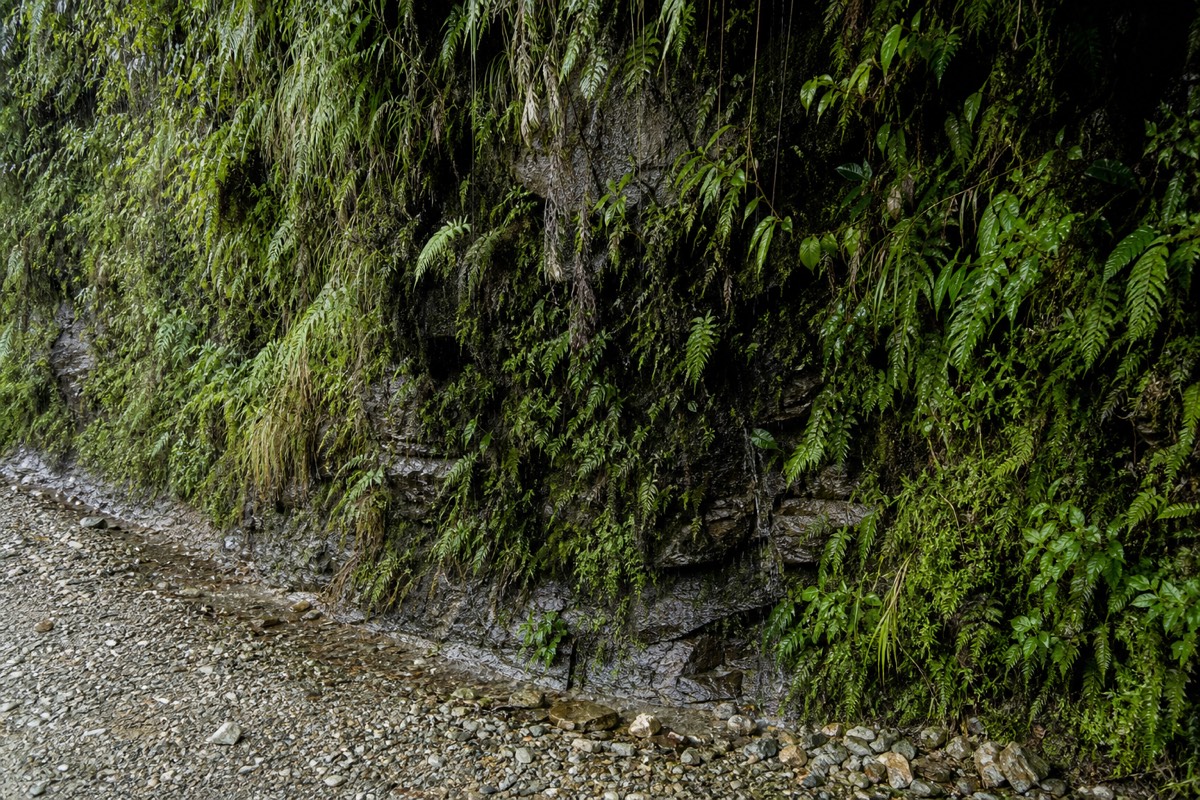
The flight wins on time and is worth it if your days are tight, dropping you into Uyuni fresh for the 4x4. The overnight bus is the budget classic: you board in La Paz, sleep across the altiplano, and wake near Uyuni ready to start. Buses can run late and the ride is rough, so if you have a fixed flight home, build in buffer. Both verified options here include buses. If you choose to fly, arrange a separate itinerary and confirm that flights actually operate on your date.
One practical tip: do not schedule the transfer for the same day as the Death Road ride. The descent is a full day that ends with a long drive back up to La Paz, and you will not reach the city until evening; Gravity warns that return can be 8–10 pm. Stacking an overnight bus on top of that makes for a brutal 24 hours. Riding one day and travelling to Uyuni the next keeps both experiences enjoyable, although the verified four-day Chile-bound bundle uses a same-night bus, a trade-off to consider carefully.
| Option | Time | Rough cost | Notes |
|---|---|---|---|
| Fly La Paz to Uyuni | Around 1 hour | Higher, varies by date | Saves a day, best for tight itineraries |
| Overnight bus | Around 9 to 10 hours | Lower | Sleep on board, can run late, rougher ride |
The reverse leg, getting back to La Paz for a flight home, works the same way and is covered from the La Paz side in how the route and transport work.
What Is The Best Order: Death Road First Or Uyuni First?
Doing the Death Road first, straight out of La Paz after acclimatising, then heading to Uyuni, is the smoother order for most travellers. It puts the ride on fresh legs while you are already in La Paz, keeps your acclimatisation working for you, and leaves the more relaxed salt-flat days as the second half of the trip.
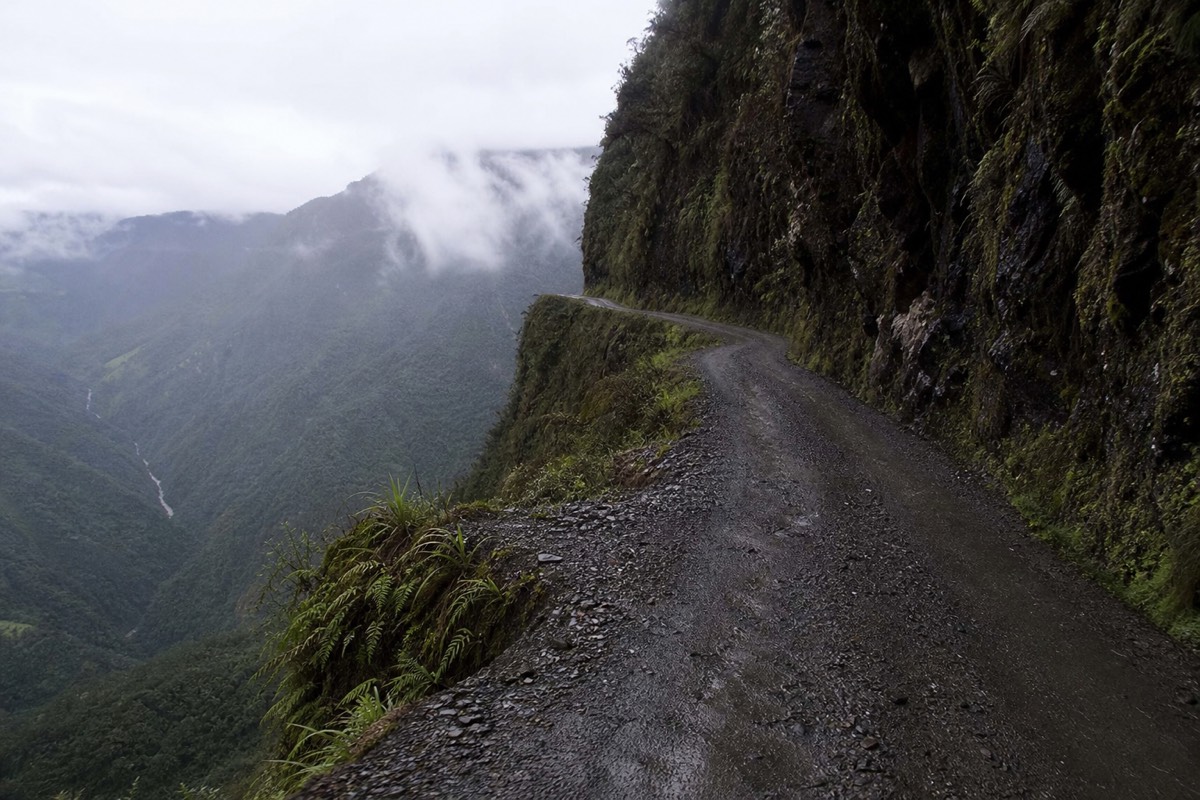
Compare the actual itinerary before choosing the order. The four-day Chile-bound combination listed here puts an overnight bus directly after the bike day. A separately booked bike day and five-day Uyuni round trip give you more control over a rest gap, but require separate bookings.
There is a physical argument for this order too. The Death Road, for all its reputation as the world's most dangerous road, is a demanding day that rewards fresh legs and full concentration, both of which you have most of at the start of a trip. The Uyuni days, by contrast, are spent mostly in a 4x4 with stops, so they suit the back half of a week when you are content to sit back and watch the altiplano roll past. Front-loading the effort and back-loading the scenery is simply the more comfortable rhythm.
Whichever order you ride, the descent is the same one described in our complete Death Road bike tour guide, and if you are still deciding whether to do it at all, whether the ride is worth the money gives the honest case.
What Does The Uyuni Leg Actually Add?
Uyuni adds the Salar de Uyuni, the largest salt flat on earth, plus three days of altiplano scenery the Death Road cannot offer: the mirror-flat white crust, Incahuasi Island bristling with giant cacti, a string of coloured mineral lagoons, and flamingos feeding in the shallows at high altitude. It is a slower, wider, stranger landscape than the ride.
Where the Death Road is a concentrated adrenaline morning, Uyuni is expansive and surreal. The salt crust stretches to the horizon in hexagonal tiles. Incahuasi Island rises out of it, an old coral outcrop covered in cacti metres tall. Further out, the lagoons glow red, green and white from their mineral content, ringed by flamingos and framed by volcanoes. The two experiences could not be more different, which is exactly why pairing them makes such a complete Bolivia trip.
The scale is the thing photos struggle to convey. Salar de Uyuni covers thousands of square kilometres of near-perfect flatness, so bright underfoot that most people wear sunglasses the whole time they are on it. Because there is nothing to give the eye a sense of distance, it is the setting for the perspective-play photos the flat is famous for, where a person appears to stand on a hand or step over a toy-sized companion. Beyond the salt, the drive climbs onto a high plateau of red and green lagoons where flamingos wade in water fed by the surrounding volcanoes. It is a landscape that feels closer to another planet than to the jungle you finished the ride in a few days earlier.
| Uyuni highlight | What you see |
|---|---|
| Salar de Uyuni salt flats | The world's largest salt flat, white crust to the horizon |
| Incahuasi Island | Rocky island covered in giant cacti amid the salt |
| Coloured lagoons | Red, green and white mineral lagoons on the high altiplano |
| Flamingos | Colonies feeding in the shallow high-altitude lagoons |
Dry Or Wet Season: When Is The Salt-Flat Mirror At Its Best?
The salt flats change completely by season. In the wet months, roughly December to March, a thin sheet of water turns the crust into a vast mirror that reflects the sky, the signature Uyuni photo. In the dry season, around May to October, the flat is a firm white hexagonal crust you can drive far across, with reliable access to Incahuasi Island and the lagoons.
There is a genuine trade-off, and it happens to run opposite to the ride. The Death Road is at its most reliable in the dry season, May to October, when the gravel is firm and the air is clear. Uyuni's famous mirror needs the wet season water. If the reflection is your must-have shot, a wet-season trip favours the salt flats but brings mud and fog risk to the ride. If you want the most dependable descent, the dry season favours the ride and gives you the classic crystalline salt flat rather than the mirror. Weigh it against the best months to ride before you commit to dates.
For most travellers the sensible resolution is to prioritise the ride, because a foggy, muddy descent on an exposed cliff is a bigger compromise than a dry salt flat without its mirror. The dry-season salt flat is still spectacular: a blinding white plain you can drive far across, with reliable access to Incahuasi Island and the lagoons that a flooded flat can cut off. The mirror is unforgettable, but chasing it in the wet season means accepting worse riding conditions on the single most demanding part of the trip. If the reflection genuinely tops your list, the shoulder months of April and November sometimes offer a little of both, though nothing about Bolivian weather is guaranteed.
| Season | Uyuni salt flats | Death Road ride |
|---|---|---|
| Wet, around December to March | Mirror reflections, some areas flooded and harder to reach | More fog, mud and lower visibility |
| Dry, around May to October | Firm white crust, full access to island and lagoons, no mirror | Firmer gravel, clearer air, most reliable |
| Shoulder, April and November | Variable, chance of either look | Transitional, watch the forecast |
How Much Does The Combined Trip Cost, And How Do You Budget It?
Compare current quotes for the same date and party. The shared Gravity ride includes a maintained bike, protective gear, a guide, transport and meals; community fees and gratuities are extra. Private guiding has its own pricing, and a multi-day Uyuni itinerary is a different purchase with different transport and lodging. Do not use a headline price as proof of safety.
Bundling may simplify coordination, but savings are not guaranteed. Compare complete prices for the same route, included nights, buses, guide language and final destination. The original combo listing is no longer a verified booking destination; the options here distinguish a Chile-bound bundle from a separately booked Uyuni round trip.
| Cost line | Rough figure | Notes |
|---|---|---|
| Death Road plus Uyuni package | Compare a current complete quote | Check the live listing, seasonal |
| La Paz accommodation, 2 to 3 nights | Budget to mid-range, inexpensive | Acclimatisation nights |
| La Paz to Uyuni transfer | Flight higher, bus lower | If not already in the package |
| Meals, tips, spending money | Modest by most standards | Small bills in bolivianos help |
What Should You Pack For A Trip That Spans Jungle And Salt Flats?
Pack for genuine extremes, because one trip covers freezing alpine air, humid jungle heat and the bright, cold high-altitude altiplano. The essentials are warm layers you can shed, sun protection strong enough for the salt glare, sturdy footwear, and a small day bag. The ride's technical gear, the bike, helmet and protective kit, is supplied by the operator.
The Death Road half alone asks you to start in a windproof layer at 4,700 metres and finish in a T-shirt in the jungle, so layering is the whole strategy. The Uyuni half adds a different problem: the salt flat is dazzlingly bright by day and the high lagoons turn bitterly cold after dark, so you want strong sunglasses and sunscreen alongside a warm hat and jacket for the evenings. A refillable water bottle matters at altitude, and cash in bolivianos covers the small extras neither package folds in. For the ride specifically, the full breakdown of what to bring and what the operator provides is in the full gear and clothing checklist.
| Trip segment | Conditions | Key items to pack |
|---|---|---|
| Death Road descent | Freezing start, jungle-hot finish | Windproof and warm layers you can shed, gloves, sunglasses |
| Uyuni salt flats by day | Blinding glare, high sun | Strong sunglasses, high-factor sunscreen, hat, lip balm |
| High lagoons and nights | Cold, thin air, freezing after dark | Warm jacket, hat, gloves, thermal base layer |
| Throughout | Altitude and remote stops | Refillable water bottle, cash in bolivianos, day bag |
Who Should Do The Combo, And Who Should Keep Them Separate?
Do the combo if you have six or seven days, want both headline experiences, and would rather one operator handle the connection. Keep them separate if you are short on time, only truly want the ride, or want to build a slower, independent Uyuni trip. The bundle rewards travellers optimising for both experiences in one efficient week.
For a rider passing through La Paz on a tight schedule, the standalone descent is the right call and the salt flats can wait for another trip. For the traveller who came to Bolivia for its greatest hits, the combo is close to ideal: it captures the country's two defining landscapes with the transfers solved. Bolivia is a place people rarely visit twice, which is the strongest argument for seeing both while you are here. Browse our guided Death Road tours from La Paz to compare the single-day rides against the combined trip, and decide which shape of week fits your dates.
One more group is worth calling out: independent travellers who love to plan and have plenty of time. If you would rather book your own Uyuni operator, choose your own lodges and move at your own pace, splitting the two experiences gives you that freedom, and the ride still slots in cleanly from La Paz. The combo is built for the opposite traveller, the one with a fixed week who wants both headline landscapes handled as a single, well-sequenced trip. Neither choice is wrong. It comes down to how much of the planning you want to own and how firmly your dates are set.