Is The Death Road In Bolivia Worth It?
The short answer is yes for most people, and a firm no for a few. Here is who the ride actually rewards, and who is better off spending the day another way.
Use the section recommendations as you read, then tailor the booking choice after the FAQs.
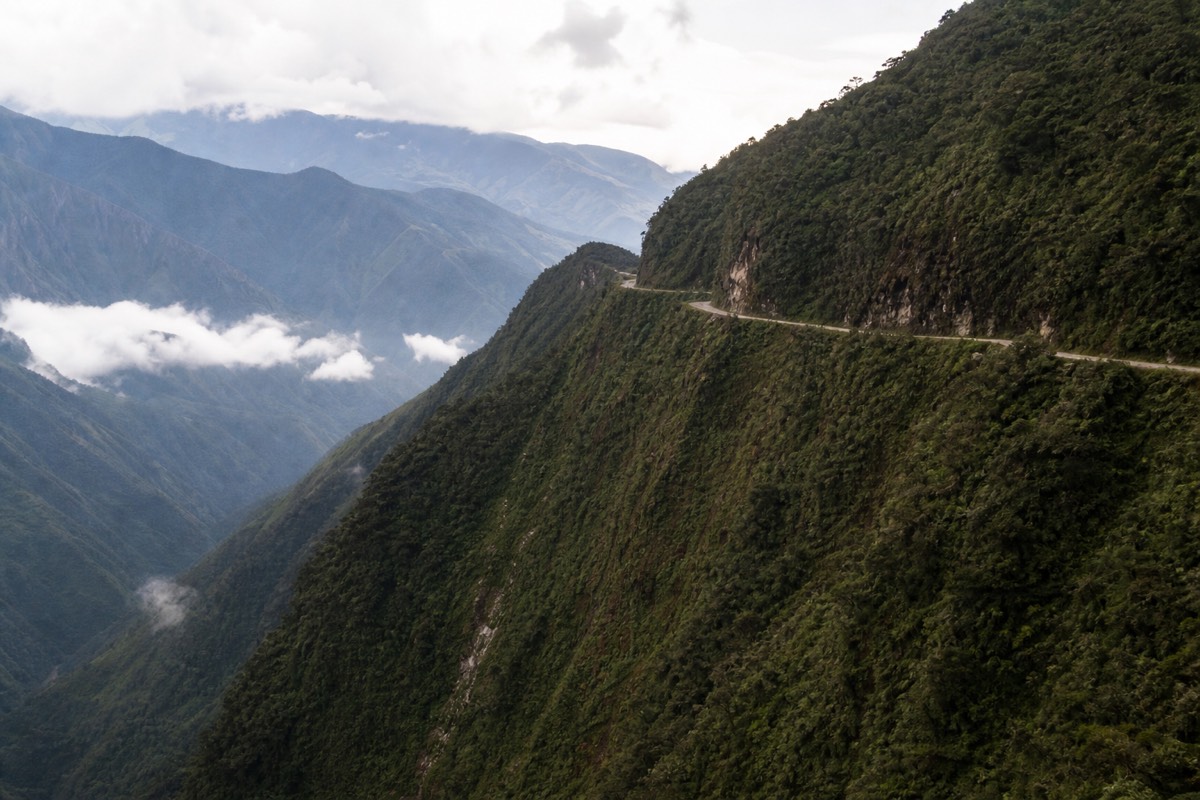
For most reasonably fit, adventurous travellers, yes. Riding the Death Road with a reputable operator is a genuine highlight: a 3,500-metre descent from Andean peaks to jungle, with scenery few rides on Earth match. It is not worth it if heights terrify you, or you only want a relaxed sightseeing day.
That is the short version. The fuller answer depends on who you are and how you book the day. One ride carries you from cold, thin air above 4,000 metres to warm cloud forest near the town of Coroico, on a road whose reputation arrives before you do. Here is what you actually get, what riders make of it, what it costs, and who should probably pass.
Quick Booking Choice Compare the shared full-day descent with a private riding day, using actual inclusions and enough time for the return to La Paz.
Check Your Death Road Ride DateWhat Actually Makes The Death Road Worth It?
The payoff is the descent itself. You drop roughly 3,500 metres in a day, from La Cumbre pass at about 4,700 metres to warm jungle near 1,200 metres, on a narrow gravel road cut into vertical cliffs. The scenery changes completely, the exposure is real, and almost all of it is downhill.
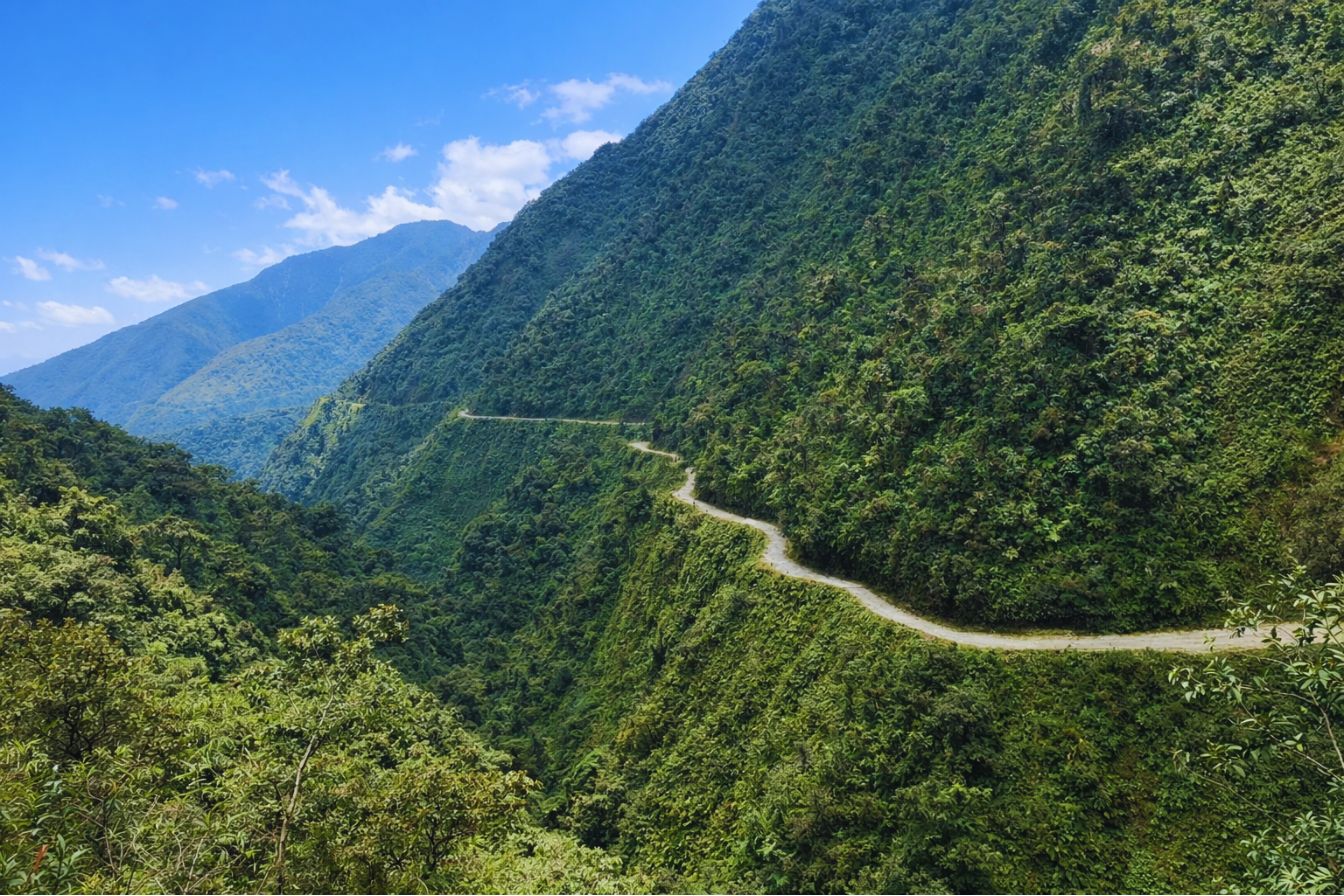
Few day trips pack this much contrast. The morning opens on a cold, paved warm-up stretch, then the tarmac gives way to the old gravel that made the North Yungas Road famous. Cliffs fall away 500 to 600 metres on one side, waterfalls spill across the track, and the vegetation thickens as you lose height. The adrenaline is a big part of the pull, and so is the sheer sensory jump from bare Andean rock to dripping green forest inside a few hours.
That exposure is why people put it on a Bolivia itinerary in the first place. This is the stretch the media keeps calling the world's most dangerous road, and riding it under control, on good equipment, is exactly the appeal. If you want to understand that label before you commit, our guide to how dangerous the Death Road really is lays the risk out plainly.
What Do Riders Actually Say About It?
Read the latest reviews on the actual provider listings, paying attention to bike condition, guiding, pacing and how the operator handled changes. Review counts and ratings change, and do not establish that a tour is risk-free.
The recurring themes in what people report are simple. Guides matter more than the road, the views outrun the photos, and the fear fades once braking becomes second nature. Nervous first-timers are often the ones who finish most surprised at themselves. The people who come away flat are usually those who expected a gentle bike path and met a steep, rocky, exposed descent instead. The weather colours the memory too: a clear dry-season morning delivers the postcard views, while a wet, foggy day trades some of the scenery for a moodier, slower ride.
Because it is almost entirely downhill, plenty of riders with only moderate cycling experience finish it comfortably. We cover exactly how fit you need to be in a separate piece, but the short version is that brake control counts for far more than leg strength.
Is It Worth The Cost?
Compare current quotes for the same date and party. The shared Gravity ride includes a maintained bike, protective gear, a guide, transport and meals; community fees and gratuities are extra. Private guiding has its own pricing, and a multi-day Uyuni itinerary is a different purchase with different transport and lodging. Do not use a headline price as proof of safety.
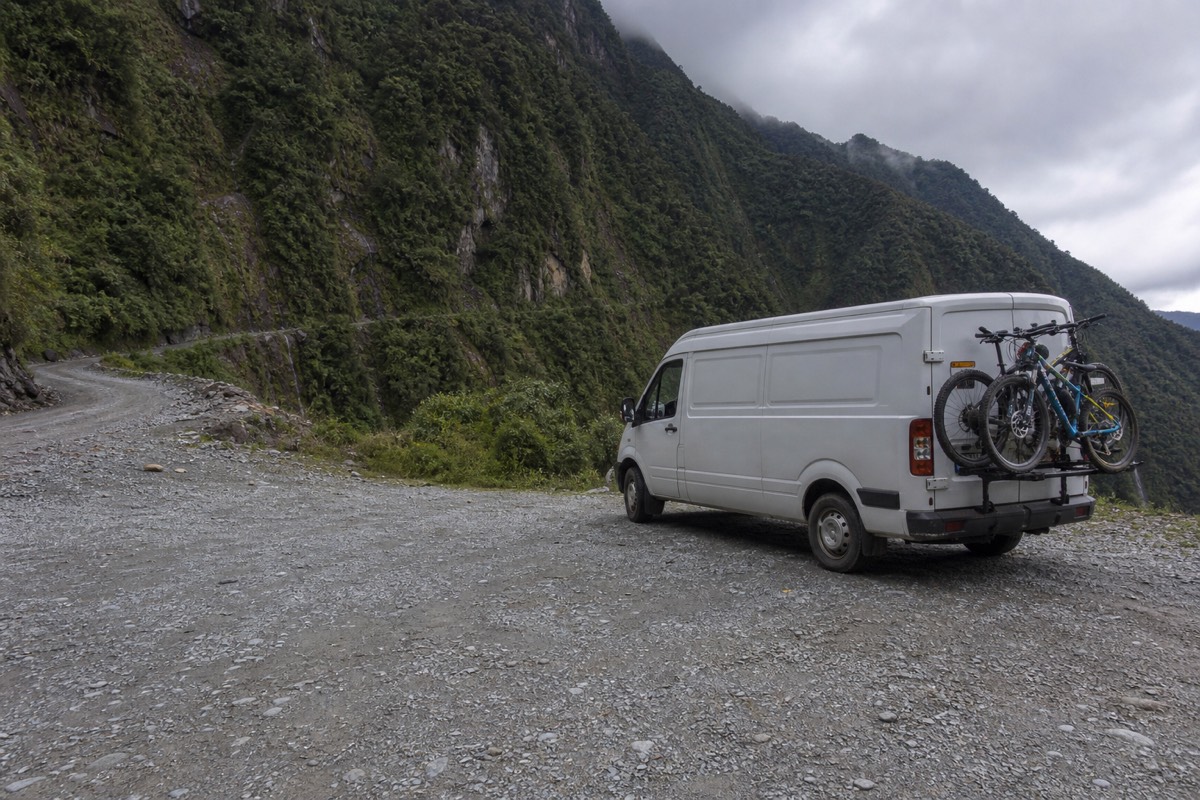
Lower-cost bookings may offer different bikes, inclusions or group arrangements. Ask for the actual details rather than assuming that every inexpensive operator omits support.
| Quote To Request | What To Verify |
|---|---|
| Shared guided ride | Maintained bike, protective kit, guide ratio, meeting point, transport, meals and extra fees |
| Private guided ride | Party price, dedicated guide, confirmed timing, bike and transport, age/height/weight restrictions |
| Independent arrangements | Bike condition, protective kit, transport both ways, navigation, local access and emergency arrangements |
Compare the equipment, guiding and transport directly. Price and review scores do not establish a quantified safety margin; your cycling readiness and the conditions still matter.
Who Should Skip The Death Road?
Skip it if severe vertigo or a fear of heights would make the exposure unbearable, if you have a heart or serious respiratory condition that altitude worsens, or if you simply do not enjoy being on a bike. This is a real adventure activity, not a scenic coach tour, and that is worth being honest about.
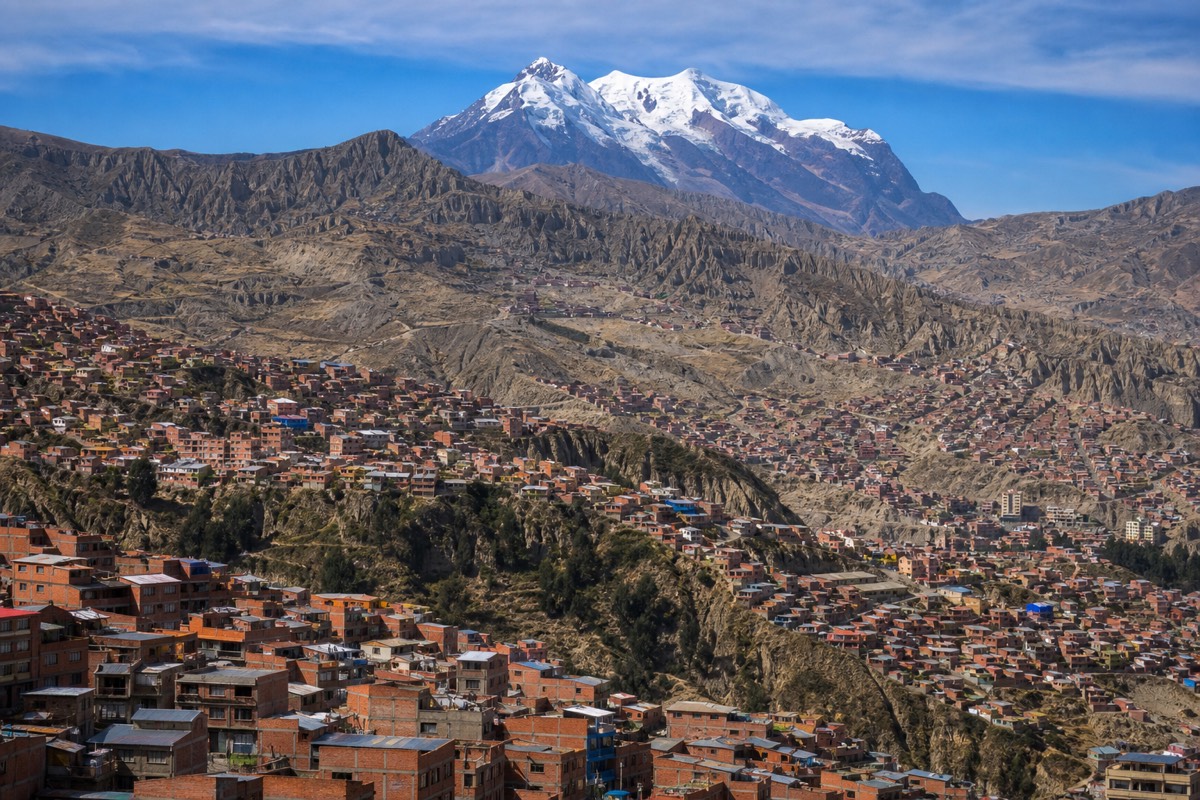
The road spends hours beside unfenced drops of several hundred metres. Most people settle within the first few descents, but a minority never get comfortable, and that makes for a long, tense day. Altitude is the other factor: the ride starts high, so give yourself a day or two to acclimatise in La Paz before you go.
If the biking is the sticking point rather than the heights, the private Death Road ride lets you set the pace with one guide's full attention, which suits anxious riders far better than a big group. And if a single day feels like a long way to travel for one activity, pairing it with the salt flats on the four-day Death Road and Uyuni trip ending in Chile turns it into a fuller Bolivia trip.
Altitude note: gradual acclimatization matters. Avoid heavy exercise in the first 48 hours at altitude. Do not go higher with persistent symptoms; worsening illness needs medical advice, and breathlessness at rest, confusion or loss of coordination requires urgent help and descent. Downhill cycling and a private guide do not remove these risks.