Do You Need To Be Fit Or Experienced To Bike The Death Road?
Good news for nervous riders: the road is almost all downhill. Handling and steady nerves matter far more than a cyclist's legs.
Use the section recommendations as you read, then tailor the booking choice after the FAQs.
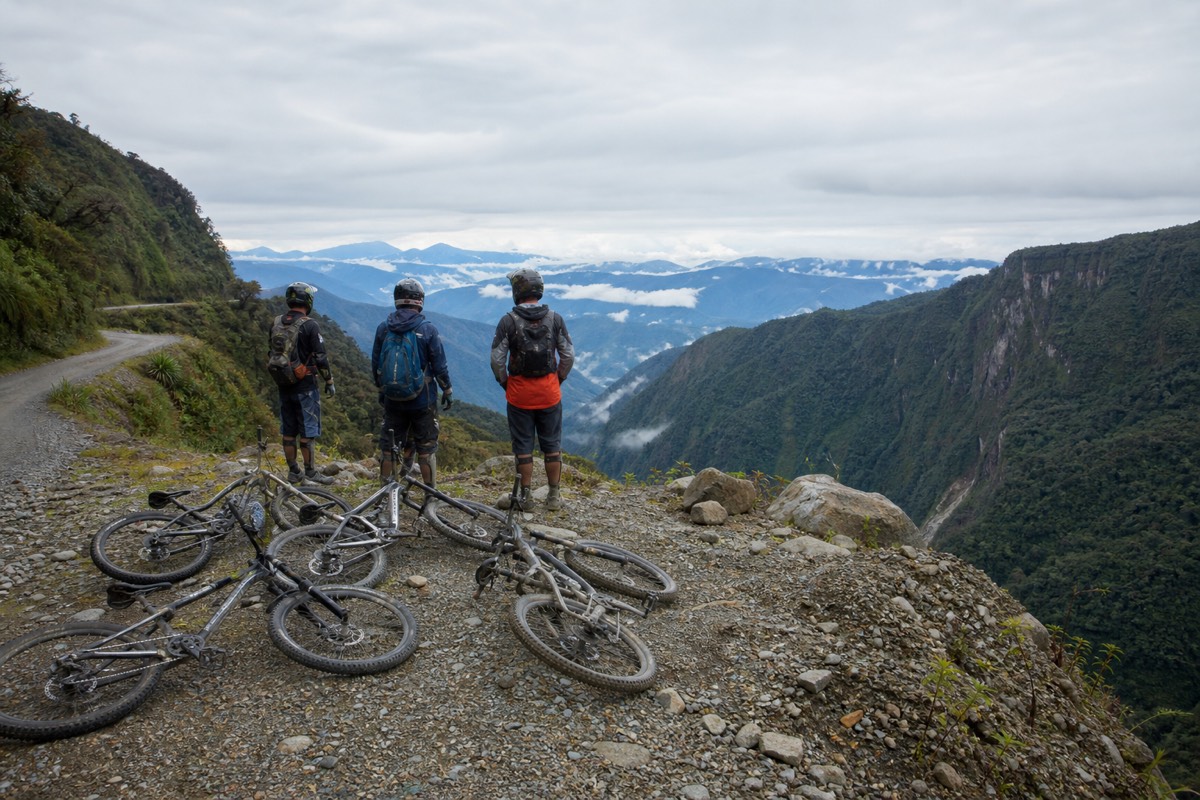
Not really. The Death Road is almost entirely downhill, so extreme fitness is not required. What you do need is basic bike handling, comfort braking on loose gravel, and the nerve to ride beside big drops. Brake control matters far more than leg strength, which is why plenty of casual riders finish the descent.
People picture a punishing uphill slog and talk themselves out of it. The reality is closer to the opposite. Gravity does most of the work, and the day asks less of your legs than of your hands, your focus and your head for heights. Here is what the ride actually demands.
Quick Booking Choice Downhill does not mean effortless. Compare the real duration and eligibility, and use the optional controls to rule out unsuitable riding choices.
Check Your Death Road Ride DateHow Fit Do You Need To Be?
Moderately fit is plenty. The route drops roughly 3,500 metres over the day, so you are braking and steering far more than pedalling. There is a little effort on the paved upper section and short flat stretches near the bottom, but no sustained climbing. If you can spend a few hours active outdoors, your fitness is not the barrier.
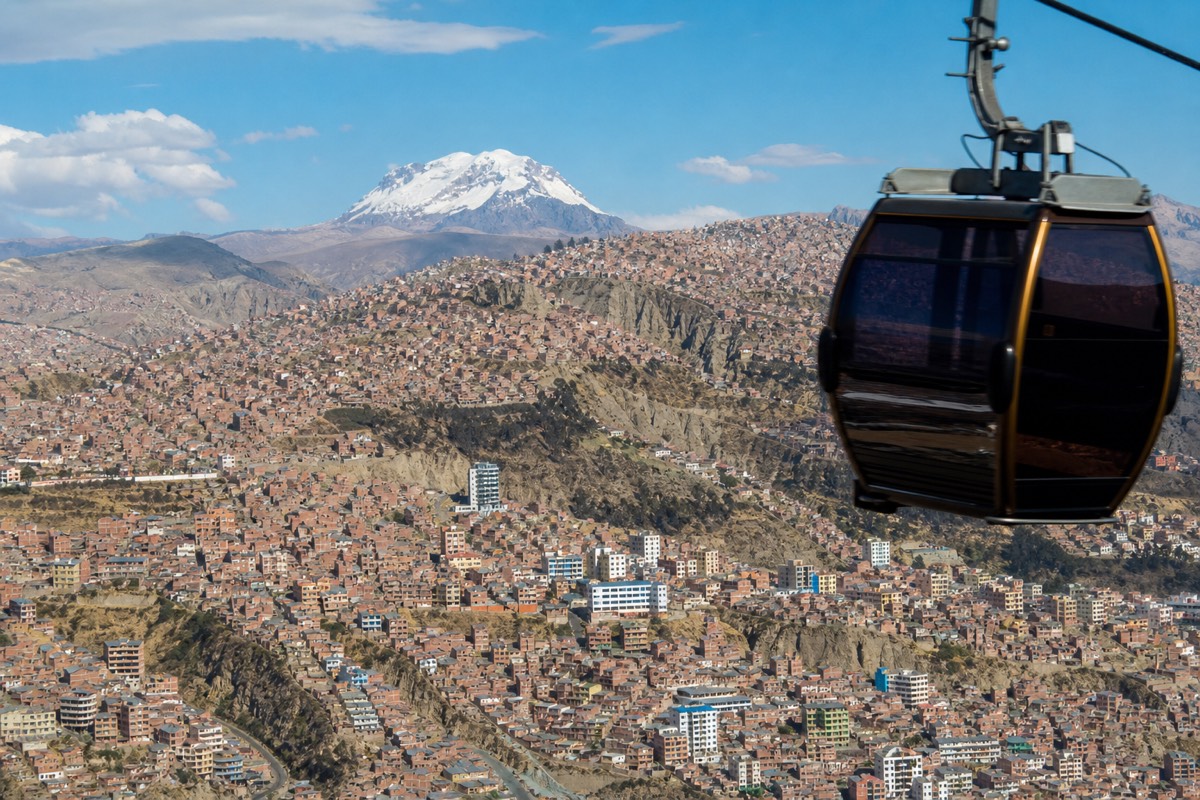
The one honest caveat is altitude, not stamina. The ride starts high, above 4,600 metres at the top, where thin air makes any exertion feel harder. That is a reason to acclimatise in La Paz for a day or two first, which our acclimatising to La Paz's altitude guide walks through. Once you are rolling downhill, the altitude eases with every metre you lose.
What Skills Or Experience Do You Actually Need?
You need to be able to ride a bike confidently and brake in a controlled way. Comfort on gravel and loose surfaces helps a lot, since the old road is rough. You do not need racing experience or technical downhill skills. Feathering the brakes smoothly, holding a steady line and looking where you want to go are the core abilities.
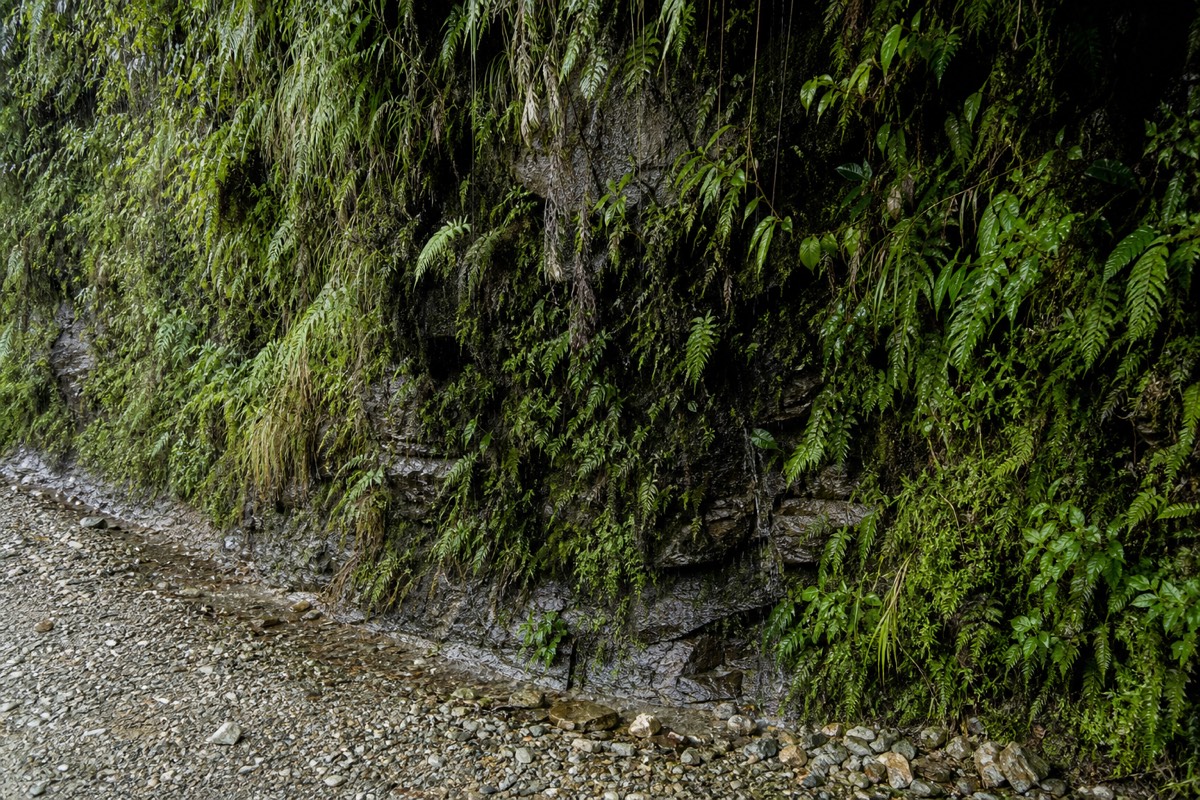
Guides brief every group on exactly this before the gravel begins: how to use the front and rear brakes together, why you keep your weight back on steep sections, and how to take corners on loose ground. The bikes are set up for the descent, and you ride within your own limits. Brake control is the skill that carries the day, which is the same reason we say leg fitness barely matters. If you want the wider picture, see whether the ride is worth doing before you book.
| Ability | How much you need |
|---|---|
| General fitness | Moderate; a few active hours, no climbing |
| Bike handling | Confident basic riding and steering |
| Brake control | The most important skill on the day |
| Gravel comfort | Helpful; guides brief you first |
| Head for heights | Steady nerves beside exposed drops |
Who Should Not Ride The Death Road?
Give it a miss if severe vertigo or a fear of heights would overwhelm you beside a 600-metre drop, if you cannot ride a bike at all and would be learning on the road, or if a heart or serious respiratory condition makes high altitude unsafe. Pregnancy and recent injuries are also good reasons to sit it out.
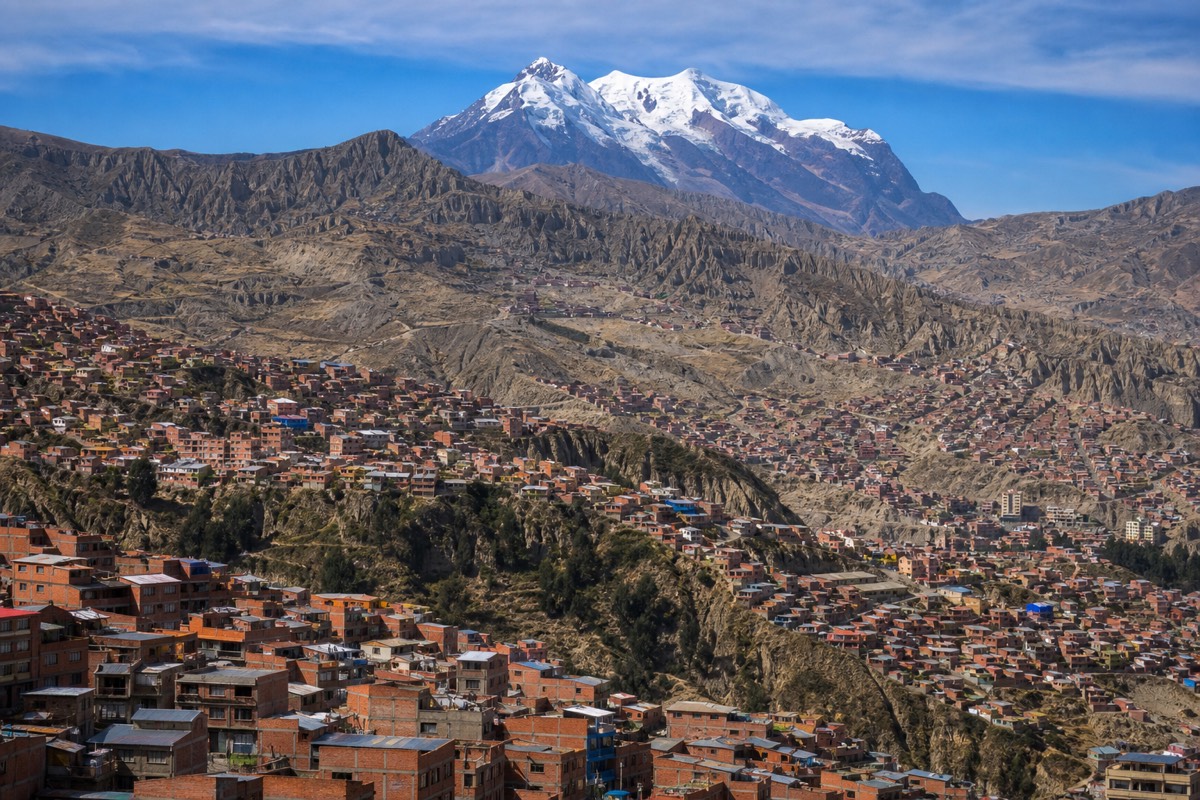
The exposure is the real filter, not fitness. Most riders settle into the drops within the first descents, but a small number never get comfortable, and a full day of that is no fun. If you have never been on a mountain bike, the middle of a cliff road is the wrong place to start. Recovering from surgery, or riding on medication that dulls balance or reaction time, is another reason to wait for a better trip. When in doubt, a short practice ride at home and an honest word with your doctor about the altitude will tell you more than any brochure. It also helps to know how long the ride takes so you can judge the day realistically.
How Does The Private Ride Help Nervous Or First-Time Riders?
A private ride removes the pressure of keeping up. With one guide focused on you, you set the pace, stop whenever you want, and get coaching tailored to your comfort on the bike. For anxious or first-time riders, that one-to-one attention often makes the difference between a tense day and a genuinely enjoyable one.
In a group you naturally match the flow of other riders, which can push a cautious beginner faster than they would like. The private Death Road ride flips that: your guide adjusts to you, spends longer on the skills that worry you, and picks the rest stops around your nerves rather than a schedule. Every ride we list at Death Road Bolivia Tours includes that briefing and a following support vehicle, so you are never truly on your own.
Confirm the private departure time with the operator before booking. Private guiding means attention for your party, not a guarantee that you can choose any start time or avoid other groups on the road.
Confident riders who just want the classic day out are well served by the standard full-day group ride, which covers the same road corridor, with a different operator and equipment. And if you would rather build a bigger trip around it, the four-day Death Road and Uyuni trip ending in Chile adds several days on the salt flats. Whichever you pick, the descent rewards steady nerves far more than strong legs, on what many still call the world's most dangerous road. The road itself is documented in the history of the North Yungas Road.
Altitude note: gradual acclimatization matters. Avoid heavy exercise in the first 48 hours at altitude. Do not go higher with persistent symptoms; worsening illness needs medical advice, and breathlessness at rest, confusion or loss of coordination requires urgent help and descent. Downhill cycling and a private guide do not remove these risks.