How Long Does It Take To Bike The Death Road?
The bike is the exciting middle of the day. Here is how the hours really stack up, from the dawn pickup in La Paz to the long climb home.
Use the section recommendations as you read, then tailor the booking choice after the FAQs.
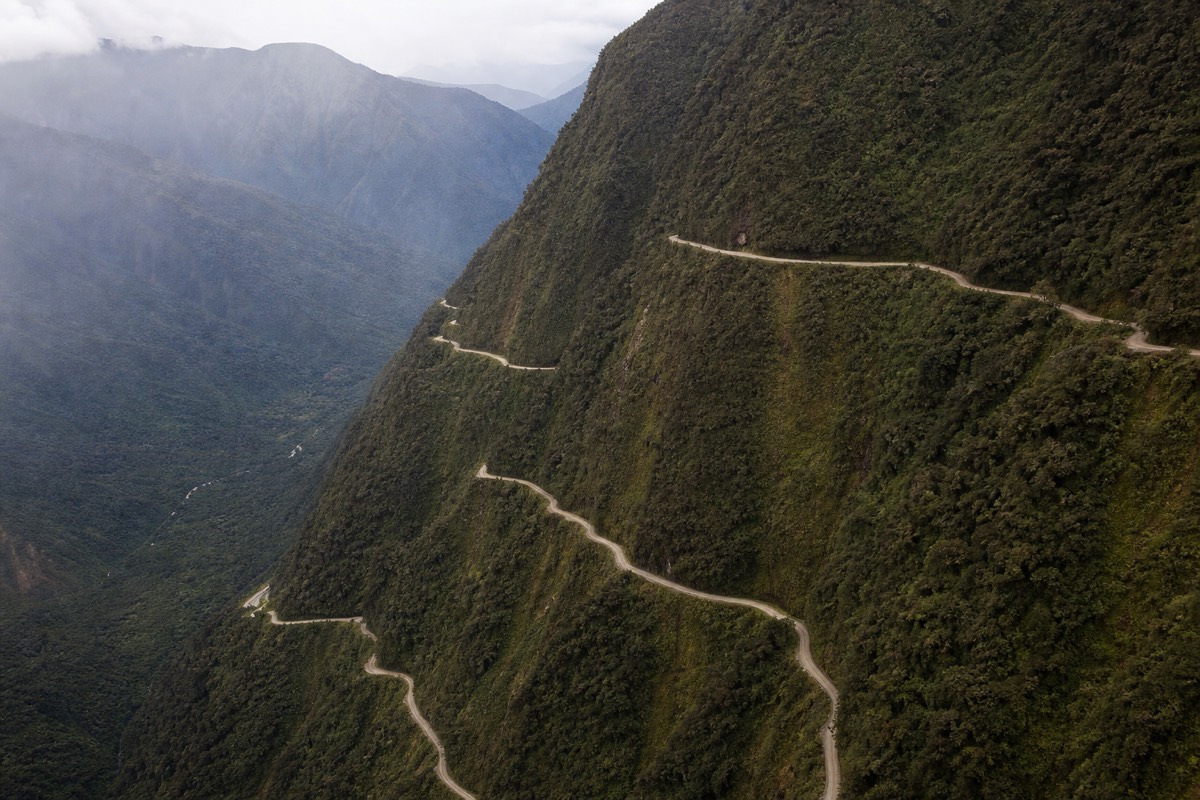
Plan on a full day. The riding itself runs about four to five hours over roughly 64 kilometres of descent, but door to door from La Paz the trip takes about 12–13½ hours or longer with delays once you add the early pickup, the paved warm-up, photo stops, lunch in the jungle, and the long drive back.
Most first-timers are surprised that a "one-day" tour eats the whole day and part of the evening. The bike is the exciting middle. The bookends are transport, briefings, and food. Below is how the hours break down, and why the schedule looks the way it does.
Quick Booking Choice Compare the shared full-day descent with a private riding day, using actual inclusions and enough time for the return to La Paz.
Check Your Death Road Ride DateHow Many Hours Are You Actually On The Bike?
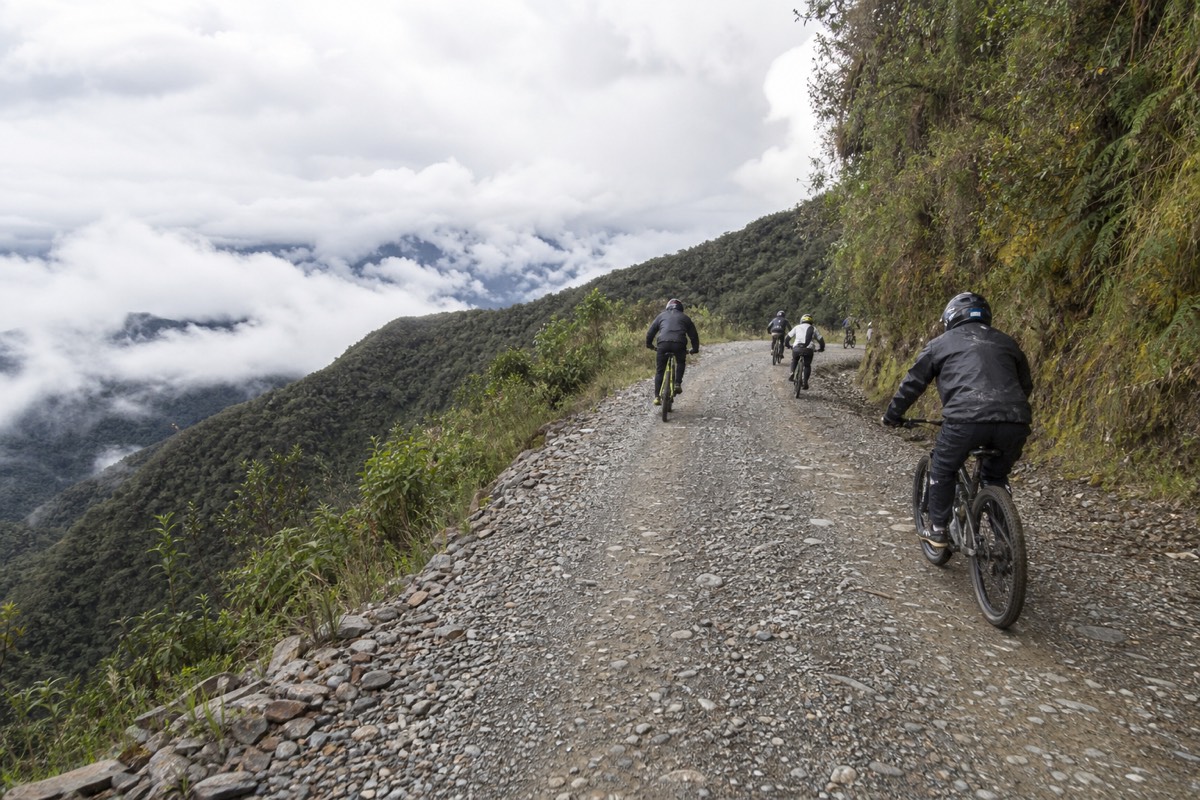
Riders spend roughly four to five hours in the saddle. The descent covers about 64 kilometres from the La Cumbre pass down toward the Yungas, dropping close to 3,500 vertical metres from around 4,700 metres to about 1,200 metres. It is nearly all downhill, so much of that time is coasting and braking, not hard pedalling.
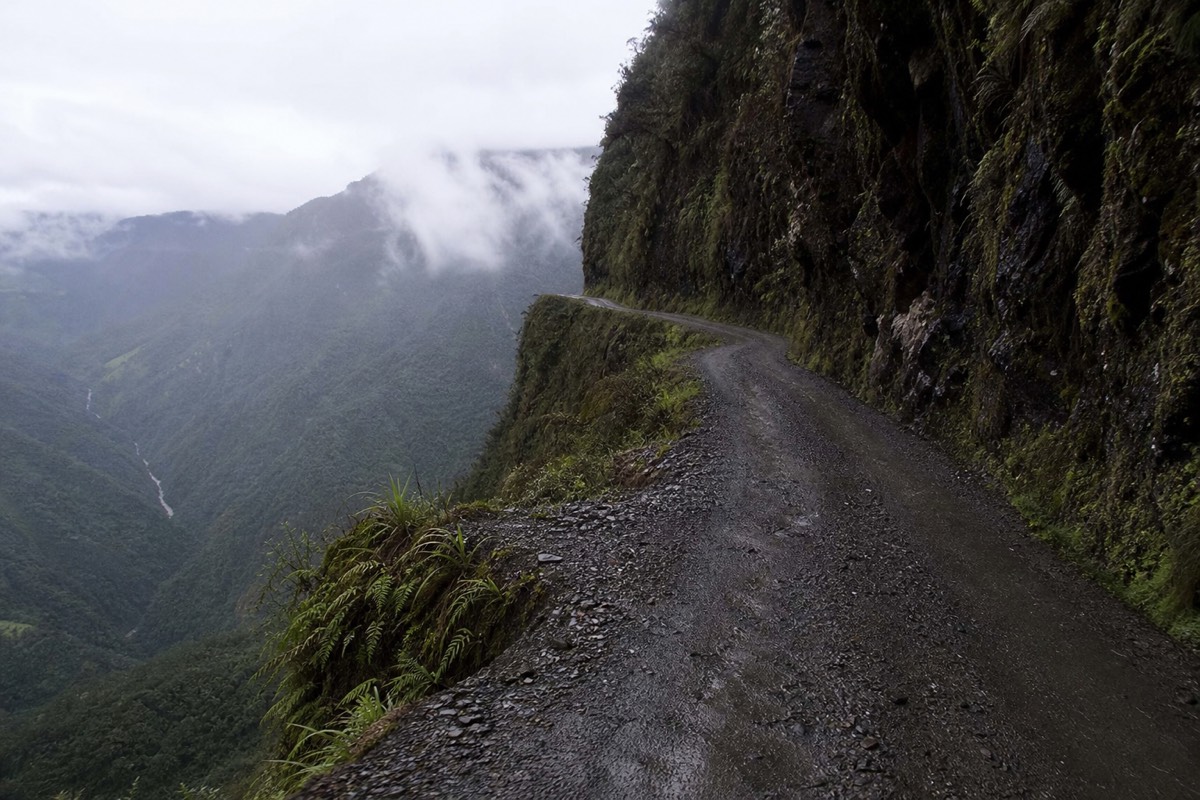
Your exact time on the bike depends on the group. A cautious group with lots of photo stops sits at the five-hour end. Confident riders who take the gravel steadily finish closer to four. The first stretch on sealed tarmac is fast and flowing. The old gravel section is slower, because that is where the cliffs, loose rock and blind corners demand real attention. The North Yungas Road is famous precisely for that narrow, exposed gravel, so guides set a pace that keeps everyone together. If you are unsure whether you have the legs for it, our honest look at the fitness level the ride asks for is worth a read: stamina matters less than brake control. Weather shifts the pace too. In the dry months the gravel is firm and quick, while wet-season fog and mud slow everyone down, which is one reason we cover the best time of year to ride in detail.
What Does A Full Death Road Day Look Like, Hour By Hour?
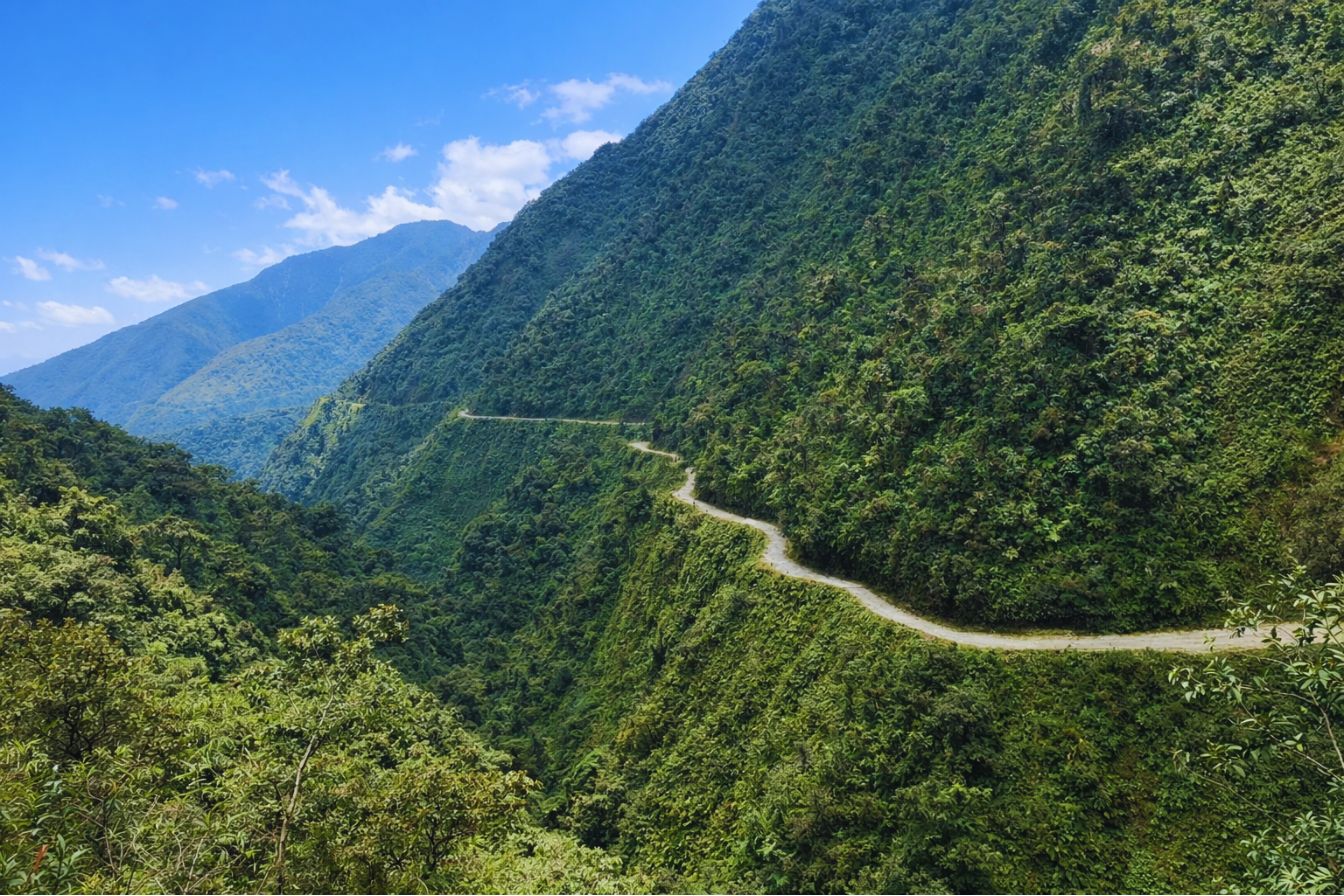
A typical day starts with an early meeting or confirmed pickup, then transport to La Cumbre, a briefing, the descent, lunch and the return drive. The timetable below is illustrative, not the exact schedule of every operator. Gravity warns that the return may be 8–10 pm.
| Time | Stage | What happens |
|---|---|---|
| 7:00 am | Hotel pickup, La Paz | Minibus loads riders and bikes, departs the city |
| 8:30 am | Arrive La Cumbre (4,700 m) | Cold, thin air at the high pass |
| 8:45 am | Briefing and bike fit | Safety talk, gear check, test the brakes |
| 9:15 am | Paved warm-up descent | First fast stretch on the new sealed road |
| 10:00 am | Onto the old gravel | The real Death Road begins |
| 10:30 am | First cliff section | Photo stop above the big drop-offs |
| 11:30 am | Mid-route break | Waterfall views, snacks, water |
| 1:00 pm | Arrive Yolosa (~1,200 m) | Warm, humid jungle at the bottom |
| 1:30 pm | Lunch | Buffet or set meal at a jungle stop |
| Afternoon | Drive back to La Paz | Long uphill return, bikes on the roof |
Treat those clock times as a template, not a promise. Pickups run between about 6:30 and 8:00 am depending on the operator and your hotel, and lunch can slide later if the group takes its time on the descent.
Why Does The Day Take So Much Longer Than The Ride?
Because the bike is only the middle of the day. The road sits far above and below La Paz, so a large chunk of the schedule is transfer time up to the 4,700-metre start and back down from the jungle. Add a safety briefing, bike fitting, photo stops, snacks and a sit-down lunch, and the hours add up quickly.
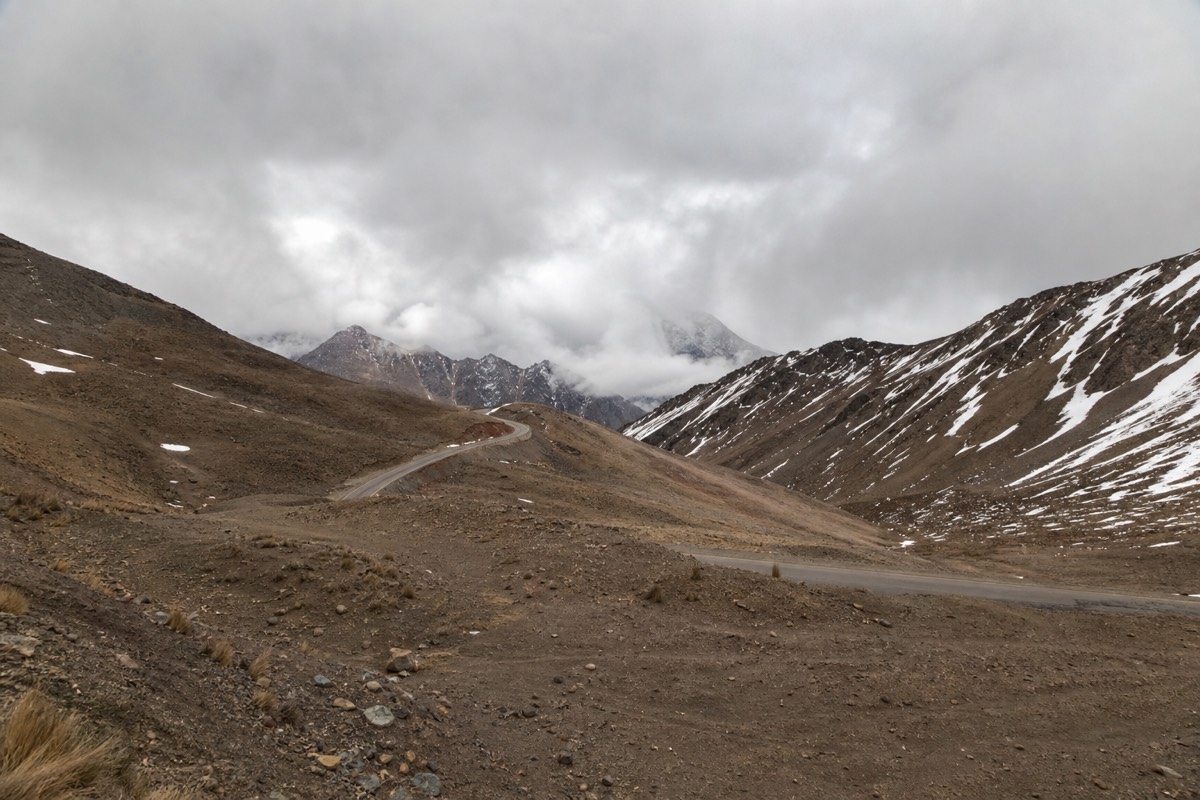
The drive up from the city to the pass takes around 90 minutes on its own. Getting there is a small expedition, which is why we break down getting to La Cumbre from La Paz step by step. The early start is deliberate: guides want the group on the gravel before mid-afternoon, when cloud and rain tend to build over the Yungas and cut visibility on the cliffs. Altitude also shapes the morning. Starting at 4,700 metres is no joke, so most riders spend a day or two acclimatizing to La Paz altitude before they clip in.
Does A Group Or Private Tour Run Longer?
They run about the same, close to a full day either way. The standard group ride is listed at 13½ hours door to door, while the private listing states 12 hours; confirm its departure and meeting arrangements separately. Compare the stops, inclusions and meeting arrangements separately.
| Option | What To Compare |
|---|---|
| Shared Gravity ride | 13½ hours; adults 18+; central meeting point; community fees extra |
| Private bike day | 12 hours; dedicated guide; ages 10–70 and listed height/weight limits; confirm pickup |
| Longer Uyuni itinerary | Four-day bike/Uyuni bundle ends in Chile; five-day Uyuni round trip excludes the bike day |
The original advertised combo is no longer a verified booking destination. The four-day integrated option here ends in Chile; the five-day Uyuni trip returns to La Paz and requires a separate Death Road booking. Compare those actual itineraries and current quotes, including buses, basic lodging and extra fees.
How Long Is The Drive Back To La Paz?
The return climb takes about three to three and a half hours. You finish near Yolosa at roughly 1,200 metres, and the minibus drives the whole altitude gain back up to La Paz at 3,600 metres with the bikes loaded on top. Most riders doze; some feel the thin air again as the city comes back into view.
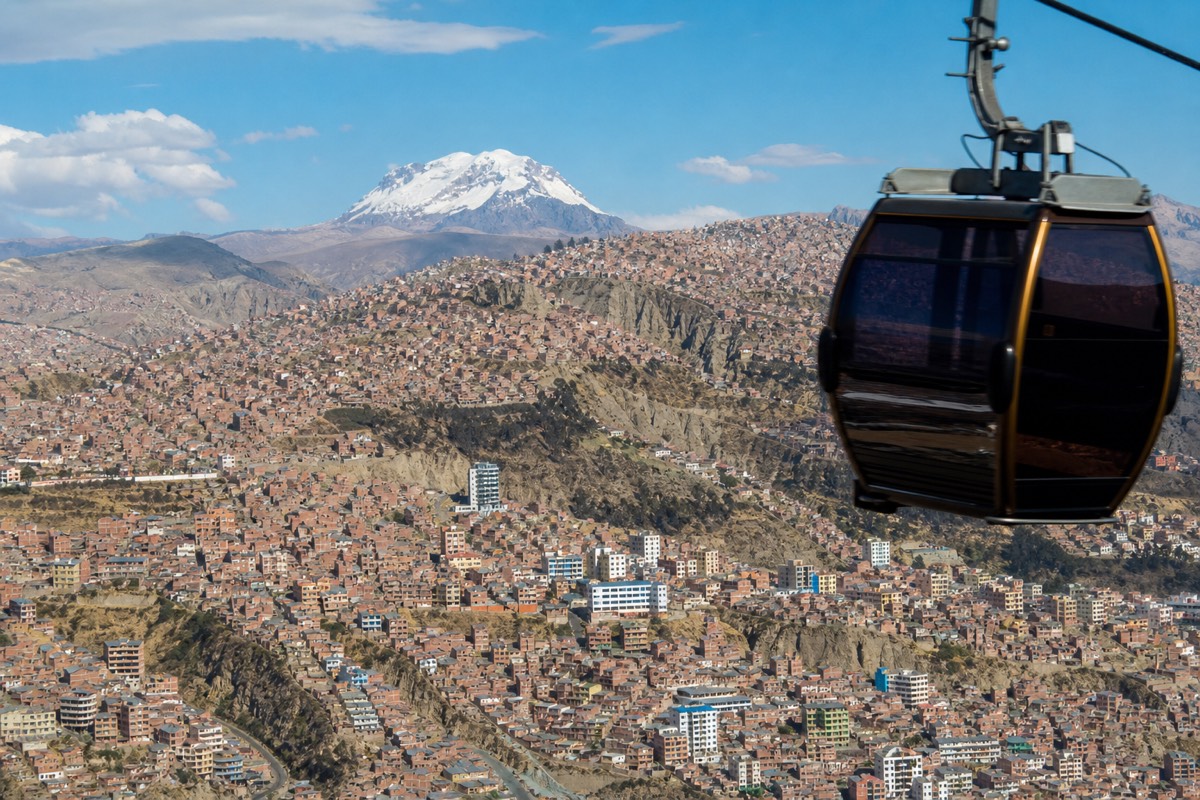
This is the least photogenic part of the day and the reason tours end in the evening rather than mid-afternoon. Some operators break the drive with a stop at an animal refuge near Yolosa, or offer a shower, a pool and a buffet before the return leg. If your Bolivia schedule is tight, block the whole day and keep the next morning light, because a lot of riders are pleasantly wiped out afterward. The road's world's most dangerous road billing is earned on the way down, but the climb back is simply long.
Can You Fold The Death Road Into A Longer Bolivia Trip?
Yes, and many riders do. The bike day is a single day, which pairs neatly with the country's other headline sight. A combined itinerary adds a three-day, two-night 4x4 tour of the Uyuni salt flats after the ride, turning one big day on the bike into a week-shaped adventure across southern Bolivia.
The original advertised combo is no longer a verified booking destination. The four-day integrated option here ends in Chile; the five-day Uyuni trip returns to La Paz and requires a separate Death Road booking. Compare those actual itineraries and current quotes, including buses, basic lodging and extra fees.