Best Time To Ride The Death Road: Month-By-Month Weather And Season Guide (2026)
Death Road tours are offered year-round, subject to conditions and availability, but the gravel, the fog and the cliff views are not the same in June as they are in January. Here is how each month actually rides.
Use the section recommendations as you read, then tailor the booking choice after the FAQs.
When the Death Road rides best
Relative scoring by our team from typical dry-season versus wet-season conditions; individual days vary.
Quick Booking Choice Compare the shared full-day descent with a private riding day, using actual inclusions and enough time for the return to La Paz.
Check Your Death Road Ride DateWhen Is The Best Time To Ride The Death Road?
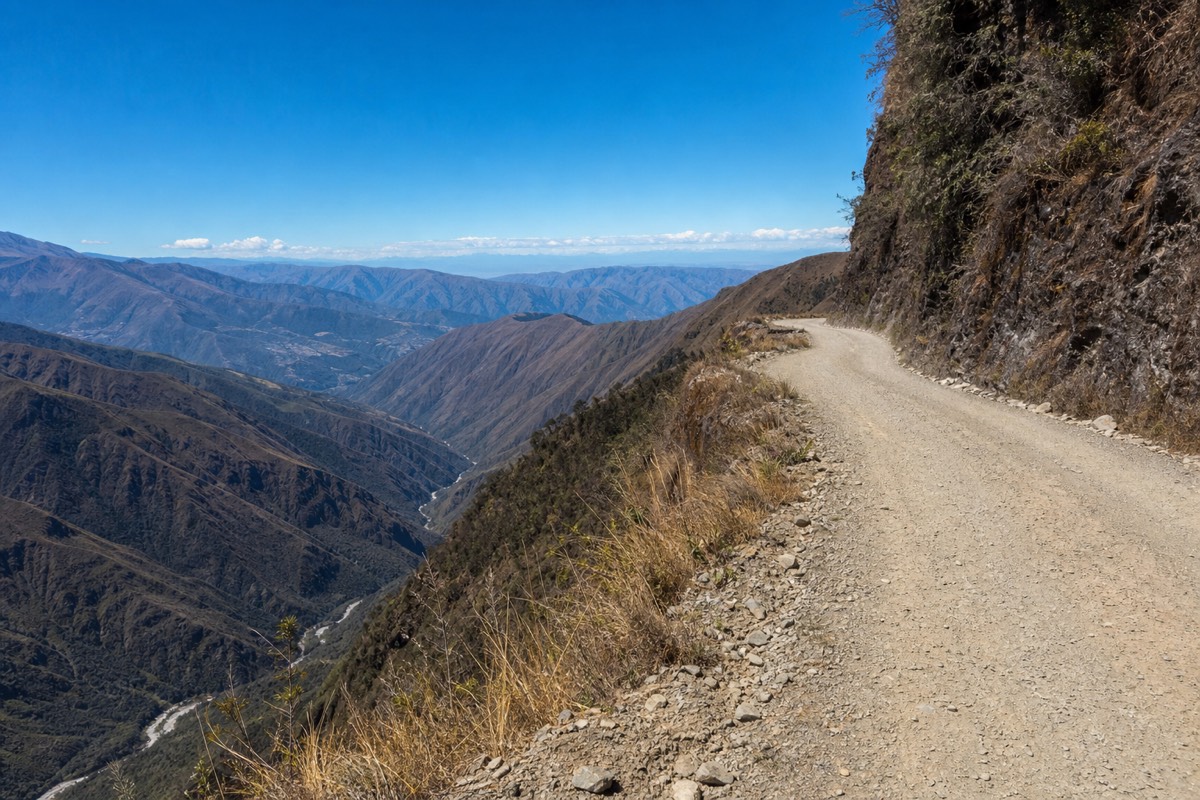
The best window to ride the Death Road is the dry season, roughly May to October, when the gravel packs firm, the morning fog lifts early and the cliff views are more likely to be clear. June through August run driest and clearest, though also coldest at the 4,700 metre start. The wet season, November to March, is offered subject to weather and availability, but swaps those long views for mud, cloud and slick corners.
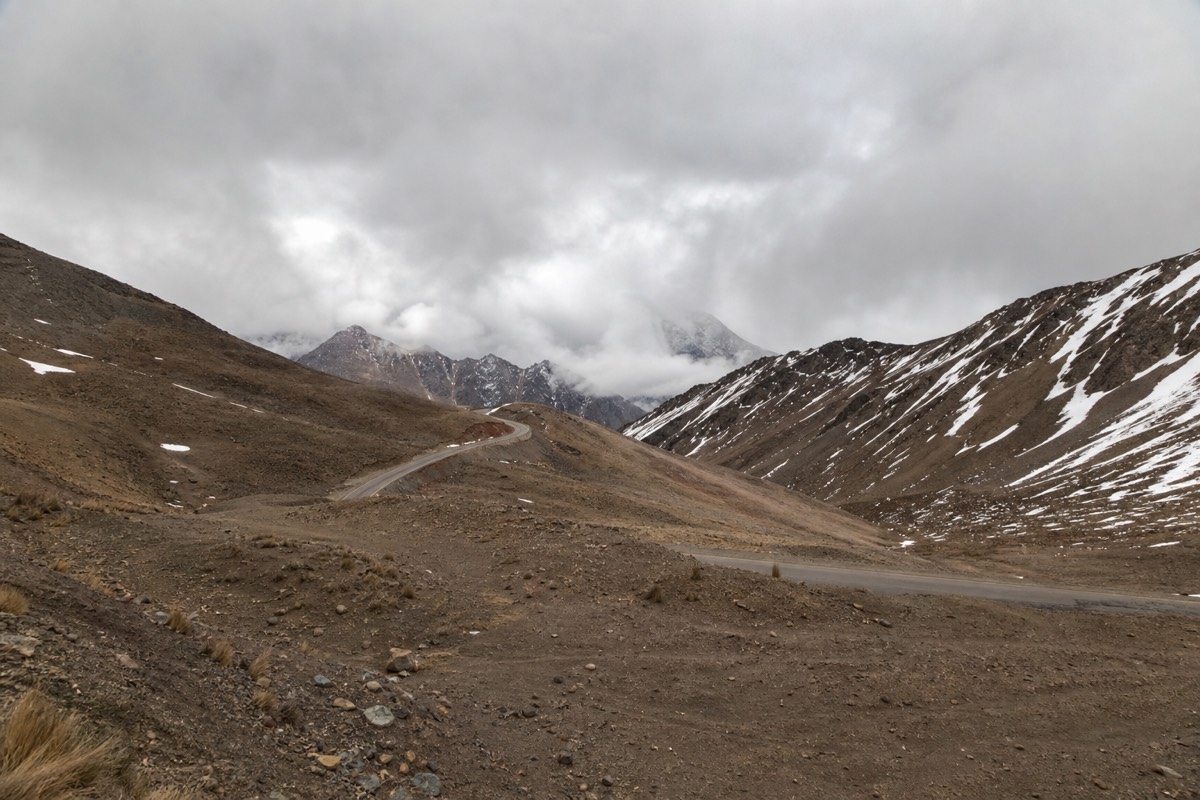
This is a ride of two climates in one morning. It begins in cold, thin Andean air at the La Cumbre pass near 4,700 metres and finishes in warm, humid cloud forest close to 1,200 metres, a vertical drop of about 3,500 metres over roughly 60 kilometres of mostly downhill gravel. Because you pass through several weather bands in a few hours, "best time" is less about a single perfect day and more about which months stack the odds in your favour.
Historically this was the main truck and bus route between La Paz and the Yungas, and the North Yungas Road earned its name in exactly the conditions you want to avoid: rain, fog and mud on a one-lane cliff track with no guardrails. A parallel paved highway pulled the heavy traffic off it in 2006, so today the old road carries mainly cyclists, and season planning is about comfort and views rather than dodging buses. In its working years the road historically claimed 200 to 300 lives a year, almost always in the rain, fog and mud you can now plan around by picking the right month. Every ride we list at Death Road Bolivia Tours runs year-round with a following support vehicle, so the season shapes the experience and adverse conditions can prevent operation.
One more thing worth setting straight early: the "season" that matters for this ride is not summer versus winter in the way most travelers think of it. Bolivia sits in the southern hemisphere, so the dry, clear, best-riding months fall in the middle of the calendar year, roughly the northern-hemisphere summer, while the wet season lines up with the southern summer at the turn of the year. If you are coming from Europe or North America, that means the ideal window for the Death Road is the northern summer, during Bolivia’s dry winter, which catches a surprising number of first-time visitors off guard.
Think of the calendar as a dial between two priorities. Turn it toward the dry winter and you buy grip, clear air and open panoramas at the cost of a bitterly cold start. Turn it toward the summer rains and you gain the greenest jungle and the fullest waterfalls at the bottom, but you give up traction and sightlines up high. Neither extreme is wrong. Knowing the trade lets you plan for it.
Dry Season Or Wet Season: What Actually Changes?
The dry season gives you firm gravel, better traction, less mud spray and long visibility across the valleys. The wet season brings frequent afternoon rain, low cloud that can hide the drop-offs, greasy corners and more waterfall flow across the road. Tours run in both, but the dry months of May to October are the safer, clearer and more photogenic choice for most riders.
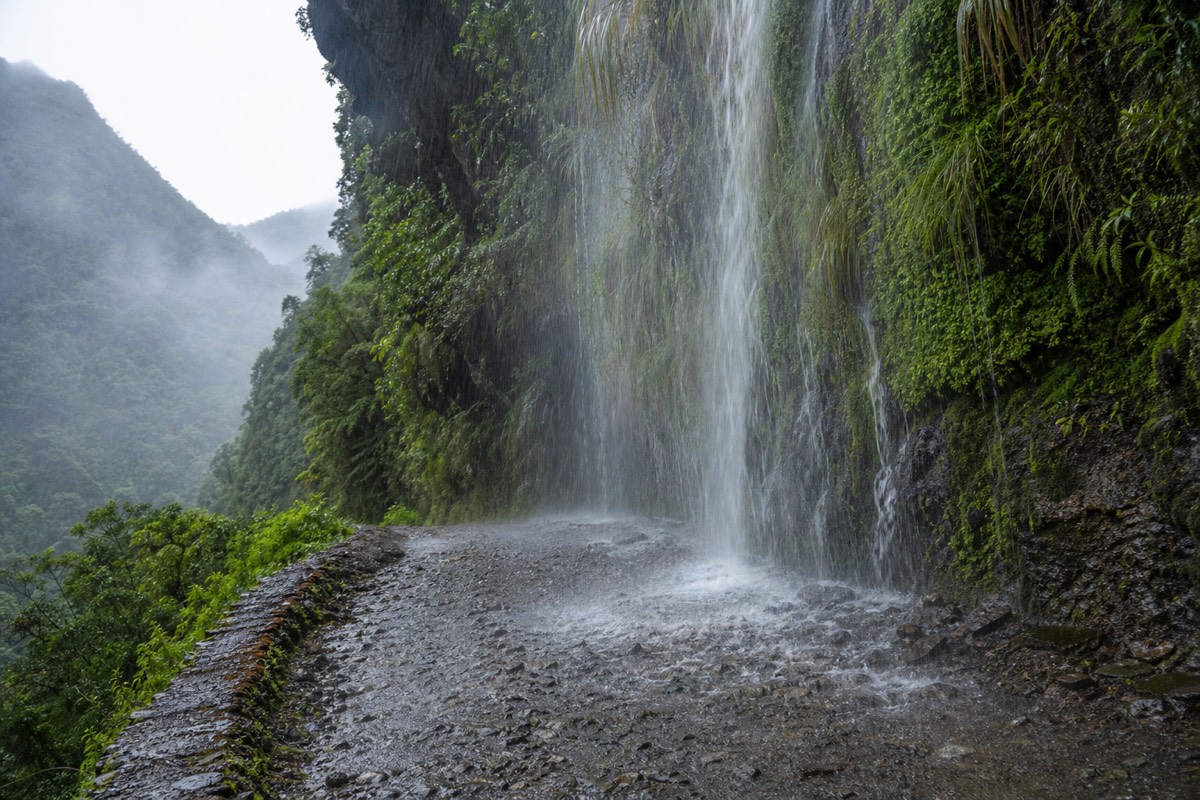
Rain is the single biggest variable. In the dry season the gravel compacts and grips; in the wet season the same surface turns loose and slick, and standing water hides ruts. Fog matters just as much. On a clear dry morning you can see the switchbacks stacking below you, which makes the exposure easier to read. In the wet season cloud can sit right on the road, shrinking your world to a few grey metres. Either can alter or cancel a departure, regardless of a support vehicle, but wet conditions ask for more caution and give back fewer open views.
Temperature runs the other way. The lower Yungas stays warm and green all year, and the wet season actually brings the most lush jungle and the fullest waterfalls at the bottom. So the trade is real: dry months buy grip and views up high, wet months buy greener scenery down low at the cost of comfort and sightlines. If you want to understand how modern tours manage the risk in either season, the short version is bike quality, guide experience and that following vehicle.
A useful way to decide is to ask what you most want to remember. If it is the view, the vertigo-inducing look down the switchbacks and the endless green folds of the Yungas below, weight your dates toward the dry season. If it is the atmosphere, mist curling off the cliffs and waterfalls thundering across the track, the wet season delivers a moodier, more cinematic version of the same road. Both are honest experiences of the descent; they simply photograph and feel different.
Dry versus wet at a glance
| Factor | Dry season (May-Oct) | Wet season (Nov-Mar) |
|---|---|---|
| Gravel surface | Firm, well-packed, good grip | Loose, muddy, slick in places |
| Fog and cloud | Clears early, long views | Can sit on the road, short sightlines |
| Rain | Rare, mostly dry mornings | Frequent afternoon rain |
| Waterfalls | Lower flow | Full, sometimes cross the road |
| Lower jungle | Green and warm | Greenest, wettest, most lush |
| Best for | Views, photos, first-timers | Moody scenery, fewer riders |
Which Month Is Best? A Month-By-Month Scorecard
June, July and August score highest: driest gravel, clearest skies and the most reliable cliff views, in exchange for a cold start that can sit near freezing at La Cumbre. May and September are excellent shoulder months with slightly warmer air and thinner crowds. April and October are transitional. November through March ride wettest and foggiest, though still very much open.
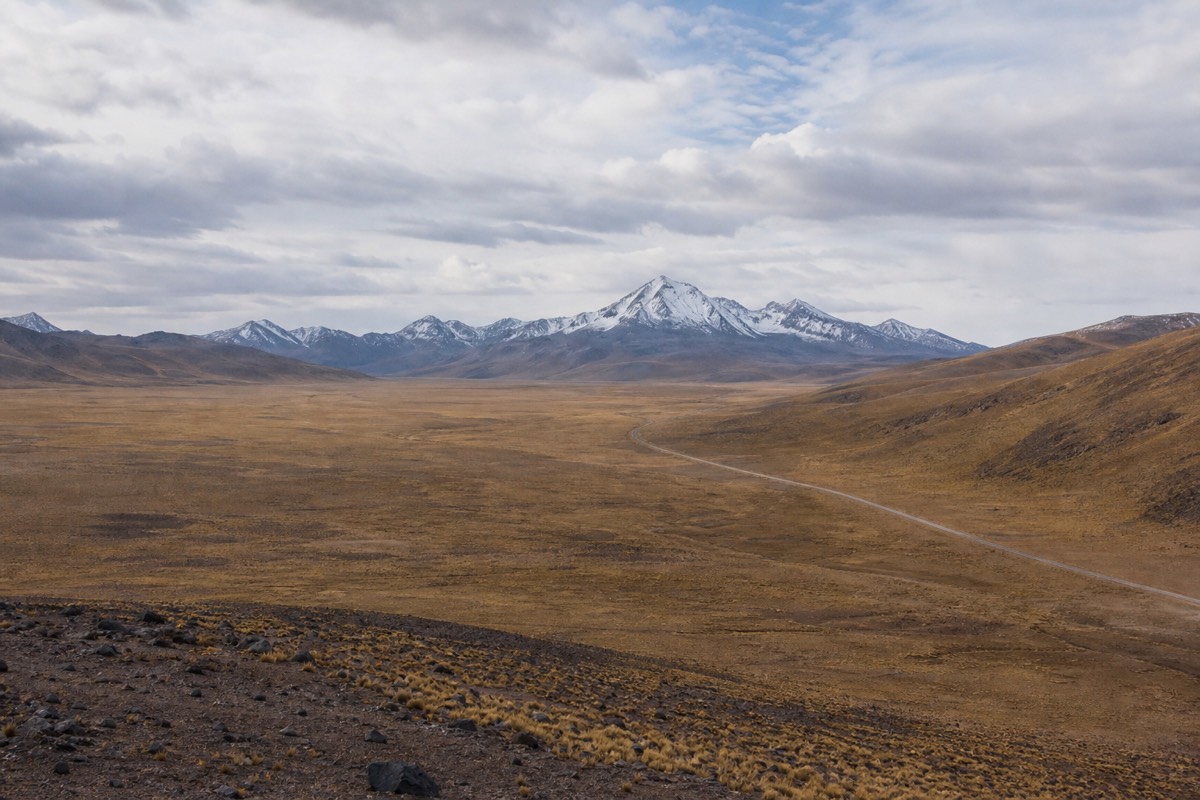
Use the scorecard below as a planning tool, not a promise. Andean weather turns fast, and a bright July morning can still throw a cold gust at the top while a January ride sometimes catches a clear window before the afternoon storms build. The scoring reflects typical conditions: how firm the gravel tends to be, how likely fog is on the descent, and how open the long views usually stay.
| Month | Rain risk | Trail surface | Cliff views | Verdict |
|---|---|---|---|---|
| January | High | Muddy | Often clouded | Wet season, ride early |
| February | High | Muddy | Often clouded | Wettest stretch, plus Carnival crowds |
| March | High | Muddy to firming | Variable | Late wet season |
| April | Moderate | Firming up | Improving | Shoulder, improving fast |
| May | Low | Firm | Open | Excellent, mild shoulder |
| June | Very low | Firm, dusty | Clear | Peak: driest, coldest, clearest |
| July | Very low | Firm, dusty | Clear | Peak, busiest month |
| August | Very low | Firm, dusty | Clear | Peak, book ahead |
| September | Low | Firm | Open | Excellent, warmer shoulder |
| October | Low to moderate | Mostly firm | Mostly open | Good, late-month storms possible |
| November | Moderate to high | Softening | Variable | Shoulder into the wet |
| December | High | Muddy | Often clouded | Wet season, ride early |
If your travel dates are fixed and land in the wetter half of the year, operation needs confirming with the operator. Book the earliest departure you can, pack for rain, and read our notes on the right layers for each season so a shower does not end your comfort at 4,700 metres. Riders on the standard full-day group ride operate subject to weather and route conditions; the guides simply adjust pace and stops to match the surface.
How Cold Is The Start And How Warm Is The Finish?
Expect near-freezing air at the La Cumbre start around 4,700 metres, often 0 to 6 degrees Celsius once you add wind chill, then a steady warm-up as you drop. By the mid-route waterfalls near 2,000 metres it feels mild, and at the Yolosa finish close to 1,200 metres it is warm and humid, frequently in the low-to-mid 20s Celsius. You ride through roughly three climate bands in one morning.
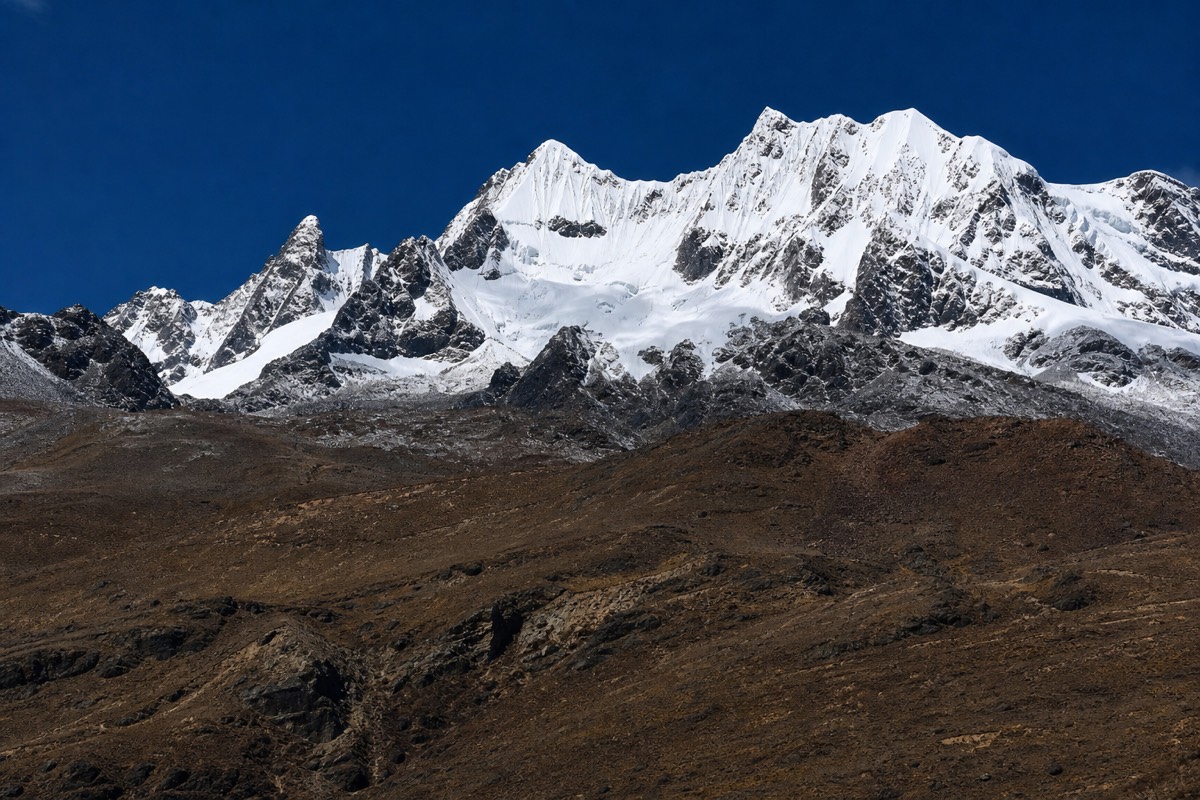
That vertical swing is the defining feature of the day and the reason layering beats any single jacket. At the top your hands and face take the worst of it, which is why full-finger gloves and something over the ears matter more than a heavy coat. As you descend the temperature climbs steadily, and most riders peel off layers at the group's photo and snack stops. By the jungle floor the cold morning feels like a different country entirely.
| Point on the ride | Elevation | Typical air | How it feels |
|---|---|---|---|
| La Cumbre start | ~4,700 m | 0-6°C, windy | Near freezing, thin air |
| Old road, gravel begins | ~3,600 m | 6-12°C | Cold, starting to warm |
| Mid-route waterfalls | ~2,000 m | 14-20°C | Mild, layers come off |
| Yolosa finish | ~1,200 m | 20-26°C, humid | Warm subtropical jungle |
The altitude also changes how the cold lands on you. Thin air at the pass makes a chilly morning feel sharper, and it is one more reason to spend a day getting used to the elevation first; our guide to how to acclimatize to La Paz's altitude covers that in detail. The good news is that the ride is almost all downhill, so you still face altitude exposure and physical demands, even without sustained climbing.
Why Do Tours Leave La Paz So Early In The Morning?
Tours leave La Paz around 6:30 to 8:00 am so the group reaches La Cumbre and completes most of the descent before the afternoon cloud, fog and rain build over the Yungas. An early start buys the clearest air, the firmest overnight-cooled gravel, and the best light for photos on the cliff sections. It also leaves time for the long uphill drive back to the city afterward.
A typical day starts with an early meeting or confirmed pickup and a minibus climb out of the city. The group reaches the 4,700 metre pass around 8:30, runs a safety briefing and bike fitting, then begins on the newer paved road before the old gravel road starts about an hour later. The first major cliff section and photo stop come mid-morning, with a waterfall break and snacks before midday, and the jungle finish near 1:00 pm. Timing it this way keeps you ahead of the weather that tends to roll in later.
| Time | Stage and elevation |
|---|---|
| 7:00 am | La Paz meeting point or confirmed hotel pickup, minibus departs |
| 8:30 am | Arrive La Cumbre (~4,700 m) |
| 8:45 am | Safety briefing, bike fitting, gear check |
| 9:15 am | Descent begins on the paved road |
| 10:00 am | Transition to the old Death Road gravel |
| 10:30 am | First major cliff section and photo stop |
| 11:30 am | Mid-route stop, waterfall views, snacks |
| 12:30 pm | Lower Yungas, the jungle begins |
| 1:00 pm | Arrive Yolosa (~1,200 m) |
| 1:30 pm | Lunch, then return transport to La Paz |
The early alarm is also why acclimatizing and packing the night before pay off. You want the drive up to La Cumbre pass to be the easy part, not a scramble in the dark. Curious how the hours break down on the bike itself? Our note on how long the descent takes walks through the moving time versus the stops.
The early start also leaves room for the long return journey. It does not guarantee a daylight finish: Gravity warns that return may be 8–10 pm. Avoid planning a tight onward connection after riding.
What Is Wet-Season Riding Really Like?
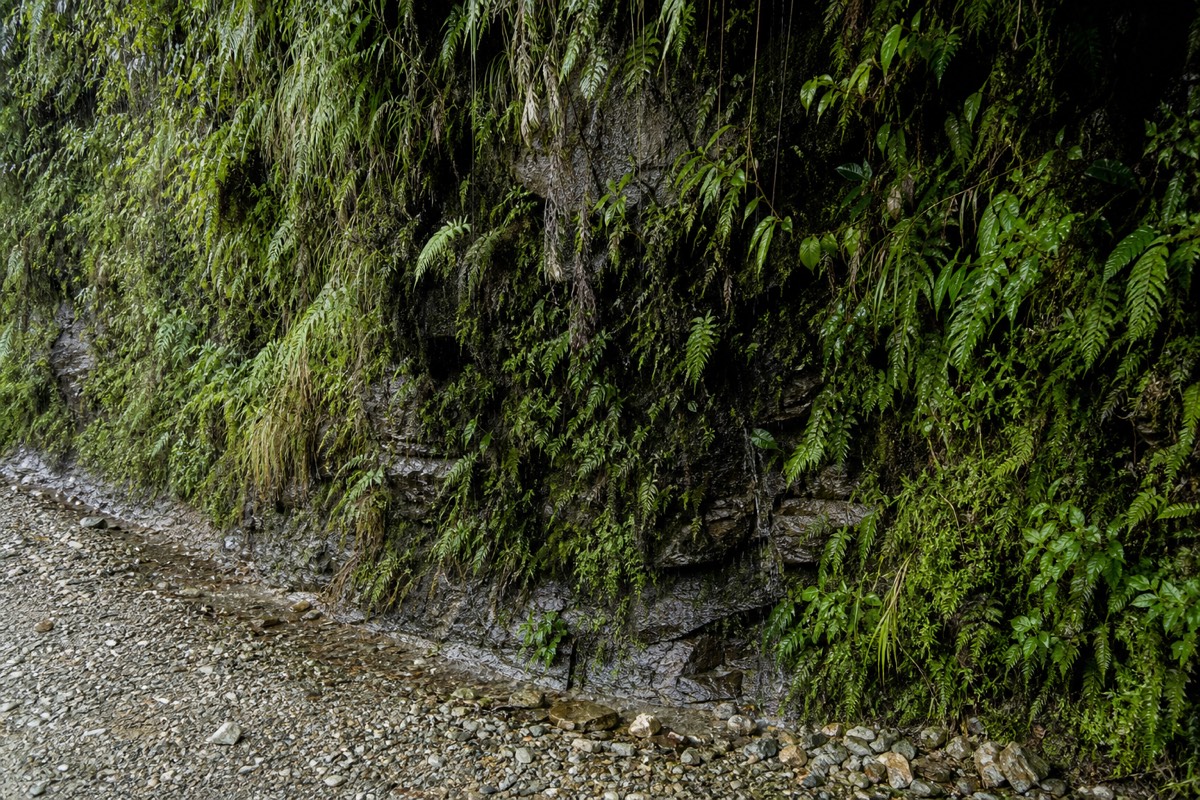
Wet-season riding, roughly November to March, means starting under grey skies, rolling over loose or muddy gravel, and often descending through cloud that hides the valley views. Waterfalls run full and sometimes spill across the road, the jungle is at its greenest, and afternoon rain is common. It is doable and still spectacular in its own moody way, but grip and sightlines drop, so caution goes up.
Riders who go in the wet months tell a consistent story. The top can be raw and cold, the middle sections slick where water crosses the track, and the bottom lush and dripping. Mud spray coats everything, so a willingness to get filthy helps. Brakes need more distance on wet gravel, and guides slow the group to match. The payoff is dramatic cloud, roaring waterfalls and far fewer other cyclists sharing the road.
If your only option is the wet season, it is worth booking a private departure for individual guiding, while confirming the available date and conditions. The extra flexibility of the private Death Road ride is most valuable exactly when the weather is unpredictable. Whatever season you pick, the reporting behind the world's most dangerous road label makes the same point our guides do: respect the conditions and the exposure, and the ride rewards you.
Are The Shoulder Months Worth It?
Yes. April, May, September and October are strong shoulder months. They pair mostly dry, firm trails with milder temperatures than deep winter and thinner crowds than the July and August peak. May and September in particular deliver dry-season grip and views without the coldest mornings, which makes them a favourite window for riders who want the best balance of conditions and comfort.
The shoulder months are also easier on logistics. Hotels in La Paz are less booked, tour groups run smaller, and the road feels quieter. Early April can still catch the tail of the rains and late October can see the first storms, so lean toward May and September if your dates flex. These months tend to sit in the sweet spot: reliable enough to plan around, mild enough that the cold start is manageable once you have adjusted to the altitude.
Smaller groups change the ride more than people expect. Fewer riders means fewer regroup stops, more space on the narrow sections, and guides who can give you closer attention on your first cliff corners. It also tends to mean cleaner photos, without a dozen other cyclists in every frame of the valley. If you value that quieter feel over the typically drier conditions of peak winter, a shoulder-month departure is often the more enjoyable version of the same descent, and it usually costs the same.
| You are... | Best window | Why |
|---|---|---|
| A first-timer wanting clear views | Jun-Aug | Driest, clearest, firmest gravel |
| Chasing mild weather and fewer crowds | May or Sep | Dry grip without the coldest mornings |
| On fixed wet-season dates | Book early, go private | Individual attention; weather and timing not guaranteed |
| A photographer | May-Sep mornings | Open cliff panoramas, best light |
| Wanting the greenest jungle | Dec-Feb | Full waterfalls, lush lower Yungas |
Do Festivals And Crowds Change When You Should Go?
Somewhat. The dry-season winter, June to August, is both the best riding window and the busiest travel period, so book ahead. A few Bolivian holidays also fill La Paz hotels and buses: the pre-Lenten Carnival in February or March, the Gran Poder folk parade in La Paz around late May or June, Independence Day on 6 August, and Todos Santos in early November. Holiday traffic, closures and disruption can affect the ride as well as city logistics.
Practically, that means two things. First, if you are riding in peak dry season or over a national holiday, reserve your tour and your La Paz room earlier than you otherwise would. Second, festival days can make the city itself busier and some transport slower, so build a little buffer around them. The ride departs early and heads out of the city, so once you are on the road the crowds are behind you. For most travelers the festival calendar is a reason to plan ahead, not a reason to change season.
| Event | Rough timing | What it means for you |
|---|---|---|
| Alasitas fair (La Paz) | Late January | Busy city, wet-season riding |
| Carnival | February or March | Nationwide travel, book transport early |
| Gran Poder (La Paz) | Late May or June | Major parade, busy central La Paz |
| Independence Day | 6 August | Peak season, reserve well ahead |
| Todos Santos | Early November | Shoulder into wet, local holiday |
Multi-day travelers sometimes chain the ride with a salt-flats loop, and season matters there too: the Uyuni salt flats show their famous mirror reflections in the wet months and a dry white crust in winter. If that combination appeals, the four-day Death Road and Uyuni trip ending in Chile packages both into one trip, and you can weigh the season trade for each half separately.
Which Season Should You Book, And What Should You Ride?
For the clearest views and firmest gravel, book the dry season, ideally May, June, July, August or September, and start early. If your dates fall in the wet season, review current conditions with the operator and pack rain layers and consider a private departure for flexibility. In any month, the safety margin comes from a quality bike, an experienced guide and a following support vehicle, not from the calendar alone.
The shared Gravity ride and private biking option follow the same road corridor, with different operators, durations, meeting arrangements and restrictions. Compare their current itineraries and recent reviews, then choose by the services and guide attention your party wants.
| Priority | Best months | Note |
|---|---|---|
| Firmest trail and grip | Jun-Aug | Driest, dusty gravel |
| Fewest other riders | May, Sep, Oct | Quieter shoulder |
| Warmest at the top | Nov-Mar | But wettest and foggiest |
| Fullest waterfalls | Dec-Feb | Wet-season flow |
| Overall balance | May and Sep | Dry views, milder air |
Whichever you choose, the season decision is really a decision about what you want most: the open cliff panoramas of a dry winter morning, or the roaring, green drama of the rains. Both are the same extraordinary descent from the high Andes to the jungle. Pick your window, pack for the swing, and let a vetted operator handle the early logistics and the mechanics. Browse the full lineup of guided departures from La Paz, work back from your travel dates, and reserve the morning that fits your season.