What Happened On The Top Gear Death Road Episode?
The Bolivia Special put the North Yungas Road in front of millions. Here is what the episode actually showed, and how cyclists take on the same cliffs now.
Use the section recommendations as you read, then tailor the booking choice after the FAQs.
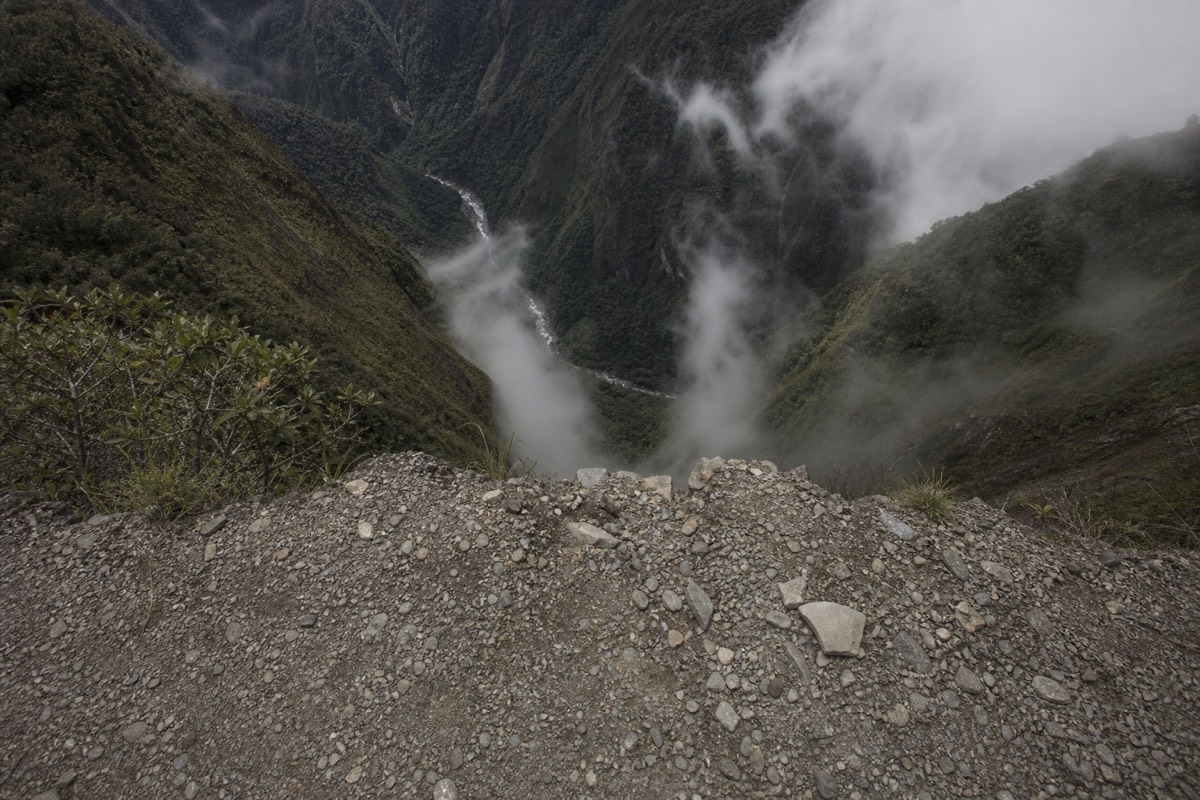
Top Gear's 2009 Bolivia Special sent Jeremy Clarkson, Richard Hammond and James May across South America in cheap second-hand 4x4s, driving from the Amazon basin toward Chile. The most famous leg was the North Yungas "Death Road," where the three inched along the narrow cliffside gravel that gave the road its deadly name.
For a lot of viewers, that episode was their first sight of the Death Road. The image stuck: a single-lane track cut into a green mountain wall, a sheer drop on one side, and three presenters clearly rattled. Two decades on, people still search for what happened on it. Here is the grounded version, without invented dialogue.
Quick Booking Choice Compare the shared full-day descent with a private riding day, using actual inclusions and enough time for the return to La Paz.
Check Your Death Road Ride DateWhat Was The Top Gear Bolivia Special?
It was a feature-length special in which the three presenters bought cheap used 4x4s and drove a punishing route across Bolivia, starting in dense Amazon rainforest and heading for the Pacific side of the continent. First shown in 2009, it became one of the show's best-remembered adventures for its scale and its genuinely difficult terrain.
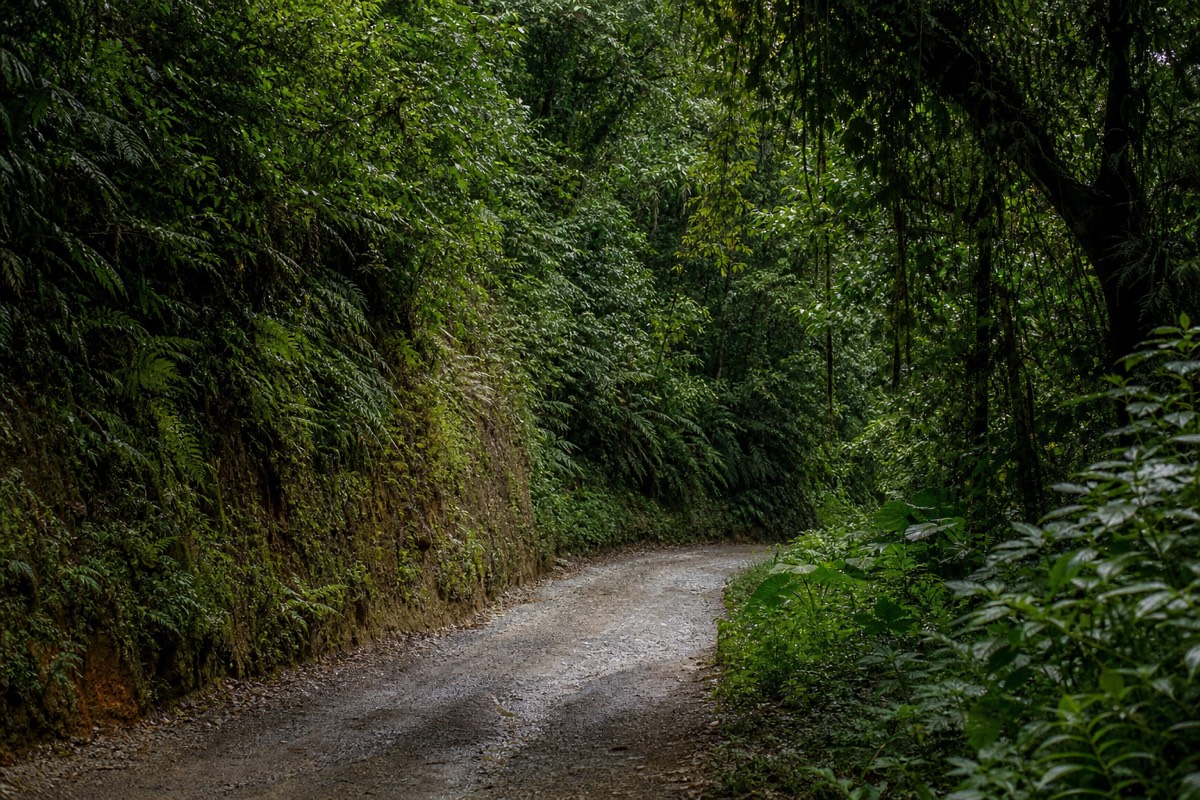
The premise was simple and the execution was not. The trio faced jungle tracks, river crossings, altitude and mud long before they reached the cliff road that made the episode notorious. Like the show's other big journeys, the appeal was watching an ordinary-sounding drive turn into an ordeal. The Bolivian leg delivered plenty of that.
| Detail | What is on record |
|---|---|
| Show | Top Gear, the Bolivia Special |
| First aired | 2009 |
| Presenters | Jeremy Clarkson, Richard Hammond, James May |
| Vehicles | Cheap second-hand 4x4s |
| Route | Amazon basin across Bolivia toward the Pacific |
| Famous segment | Crossing the old cliffside Death Road |
Which Road Did They Actually Drive?
They drove the old North Yungas Road, the same cliffside gravel that cyclists descend today. It links the high country above La Paz with the town of Coroico in the Yungas, falling from around 4,700 metres to near 1,200 metres over roughly 64 kilometres of narrow, unguarded track.
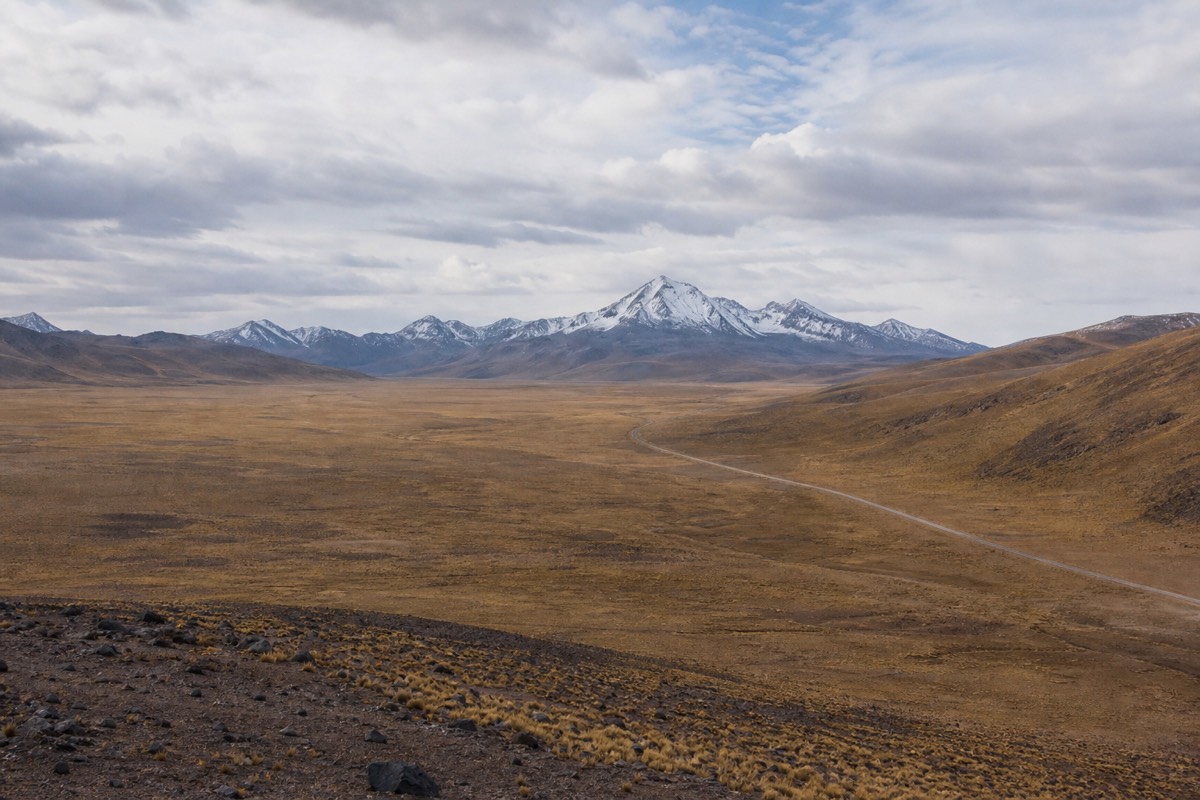
This is the road with the fearsome reputation, at points only about three metres wide with drop-offs of 500 to 600 metres and no barrier at the edge. For decades it was the main route between La Paz and the Yungas, which is exactly why it earned its name. If you have wondered why it earned the Death Road name, the traffic era is the answer: two-way buses and trucks squeezing past each other on a shelf of gravel. That history is also why the show framed the crossing as a real test rather than a stunt.
Why Did The Episode Become So Iconic?
It combined a genuinely dangerous location with the show's knack for tension. Audiences saw real exposure, not a set: a famous road, a long fall, and presenters who were visibly on edge. That mix, plus the road's existing billing as the world's most dangerous road, turned the segment into one of the programme's signature moments.
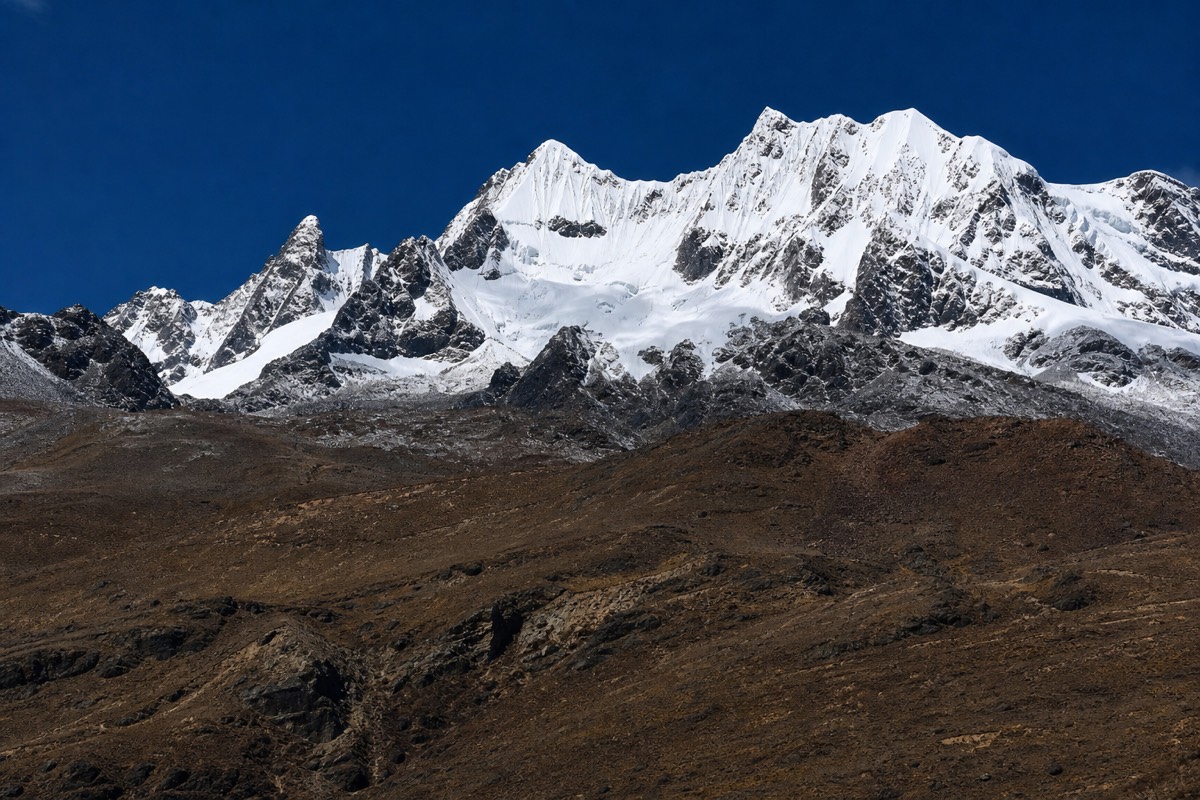
Fame fed on fame. The road was already a bucket-list name among adventurers, and putting it on a hugely popular show pushed it further into the mainstream. Search interest in the Death Road still climbs whenever the special reruns. For a stretch of gravel in the Bolivian Andes, that is a remarkable second life as a screen star.
What Did The Show Get Right About The Danger?
The core danger was accurate. The drop-offs are real, the road is genuinely narrow, and in its working years it was one of the deadliest anywhere, with an estimated 200 to 300 fatalities a year when heavy traffic still used it. The show did not have to exaggerate the setting; the cliffs did the work.
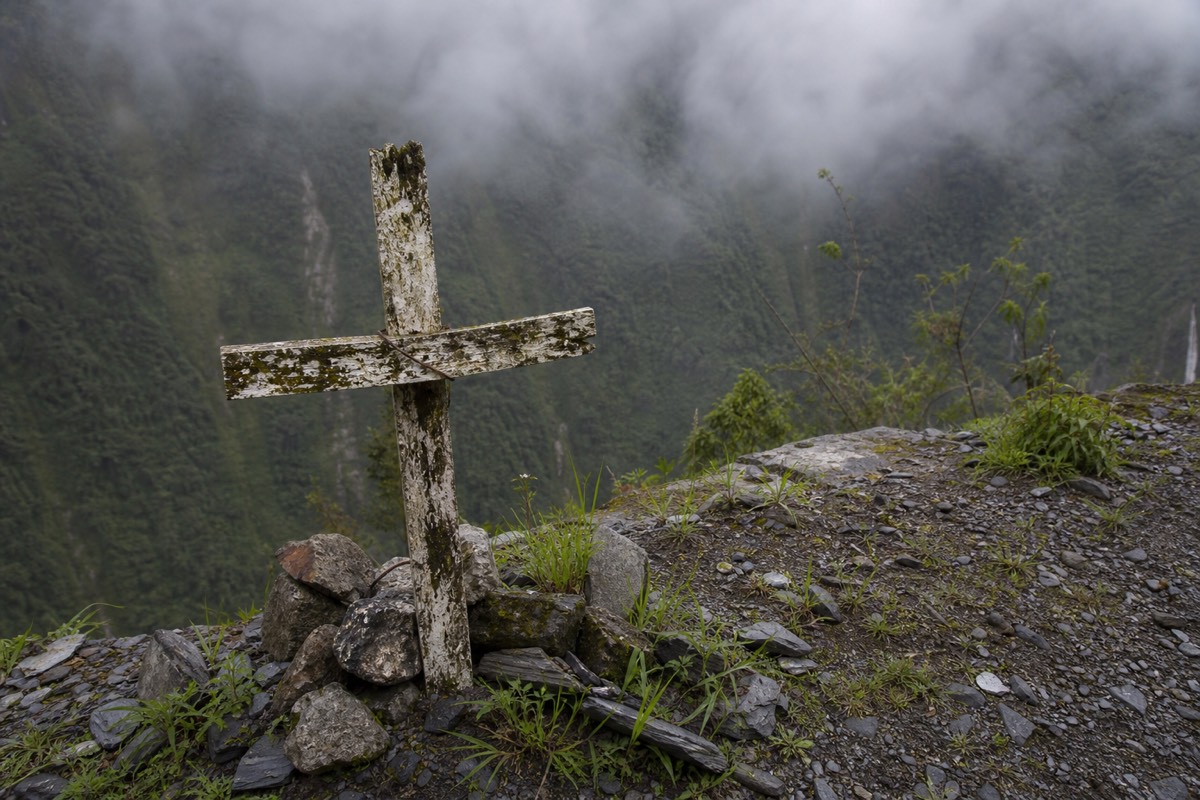
What a single episode cannot fully show is context. Most of those deaths came from the old two-way traffic: buses and trucks meeting on a lane too narrow to share, often in fog. A parallel highway opened in 2006 and took that traffic away, which is a large part of why the road is far less lethal now. You can read where the danger stands today in our guide to how dangerous the Death Road still is. The scenery on screen was honest; the risk profile has since changed. Discovery's account of the road, once blamed for 200 to 300 deaths a year, lines up with that.
Can You Ride The Same Death Road Today?
Yes, and that is how most people experience it now. Instead of driving it in a 4x4, visitors coast down it on mountain bikes, almost entirely downhill, with a guide leading and a support vehicle behind. The scenery the show captured, thin Andean air up top giving way to warm jungle, is exactly what riders get.
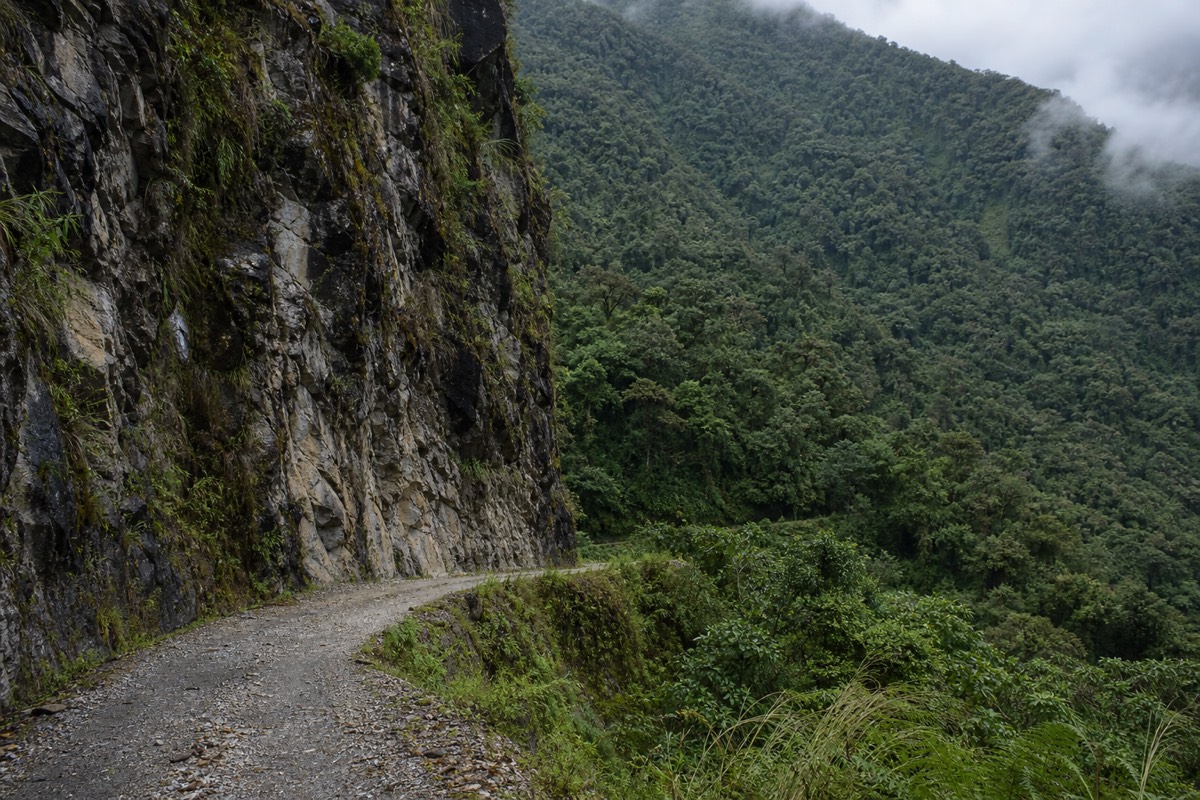
The shared Gravity ride and private biking option follow the same road corridor, with different operators, durations, meeting arrangements and restrictions. Compare their current itineraries and recent reviews, then choose by the services and guide attention your party wants. Related reading: drive the road yourself; La Cumbre; the complete bike tour guide.