Is La Paz, Bolivia Safe For Tourists?
The honest answer for anyone flying in to ride the Death Road: La Paz is far more pickpocket than peril. Here is what to actually watch for.
Use the section recommendations as you read, then tailor the booking choice after the FAQs.
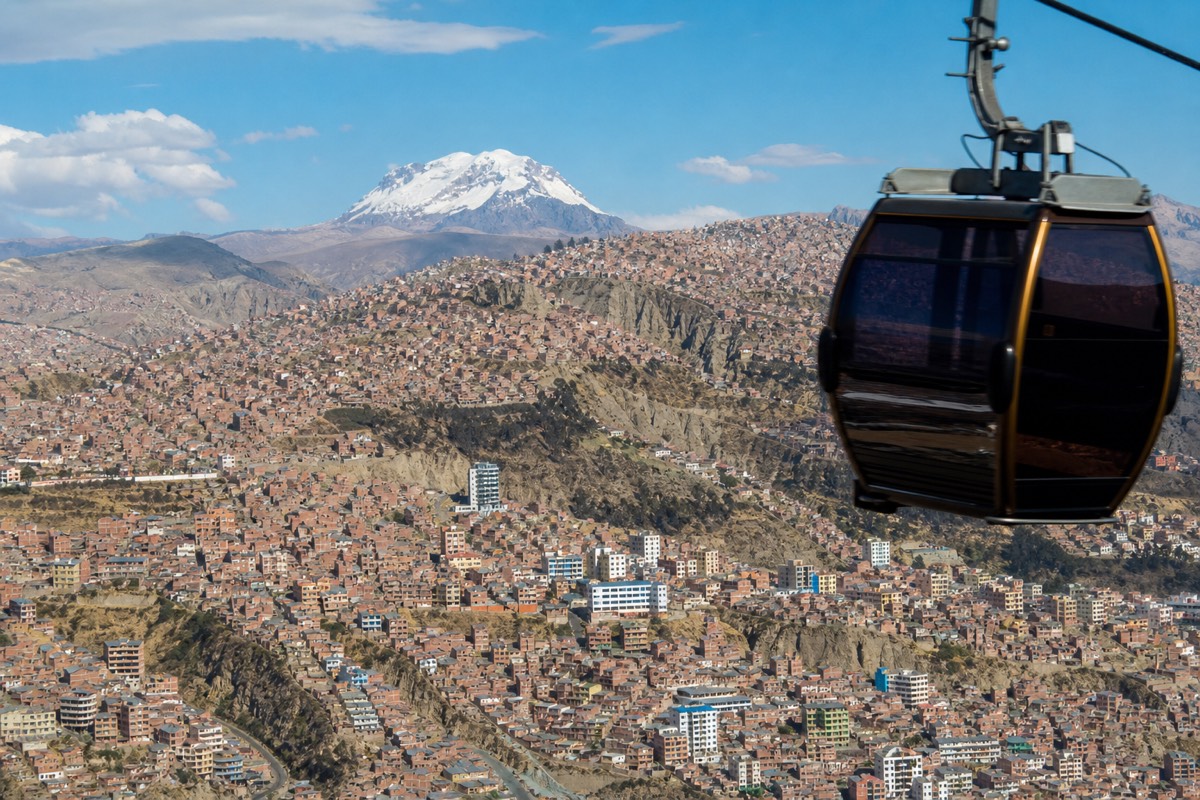
Yes. La Paz is generally safe for tourists who take normal big-city precautions. The real day-to-day risks are petty theft and the 3,600-metre altitude, not violent crime against visitors. Stay aware in crowds, use booked taxis after dark, give yourself a day to adjust to the elevation, and most trips pass without any trouble.
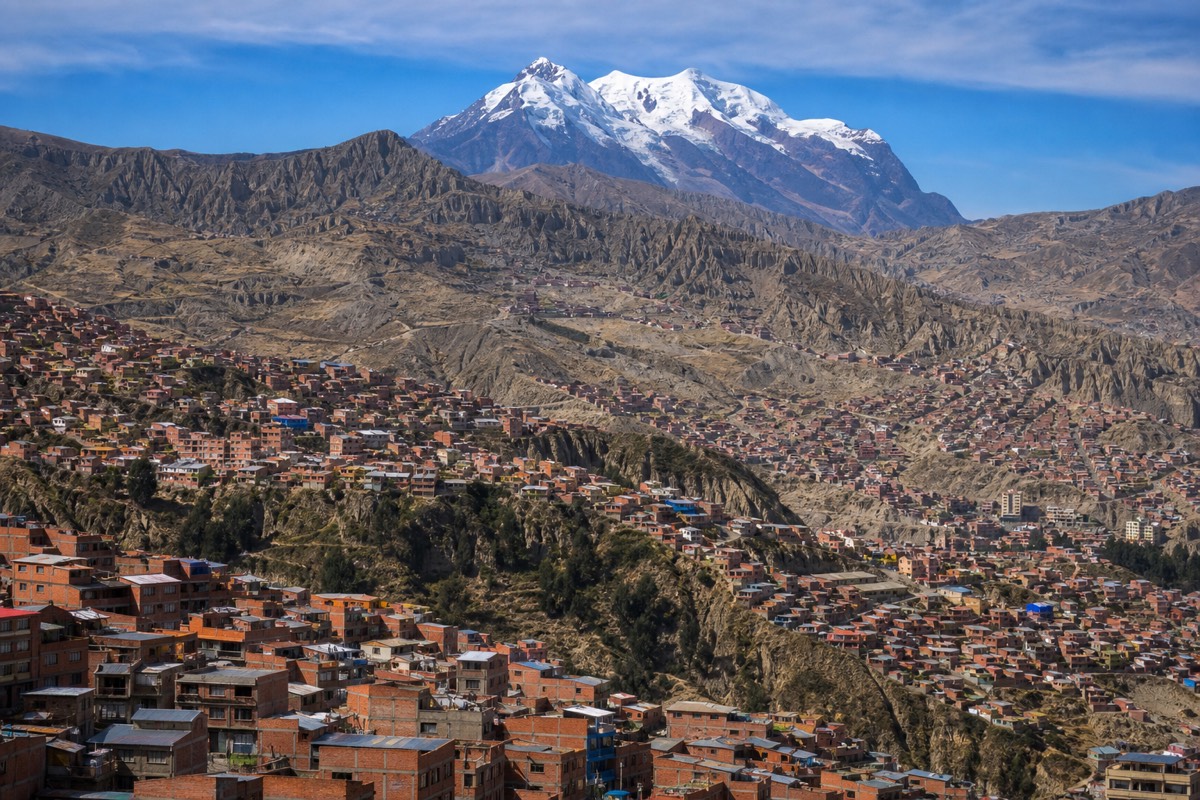
Bolivia’s high-altitude seat of government can look intimidating from the air, a bowl of brick and concrete stacked up a canyon wall. On the ground it is friendly, busy and used to travellers. Riders come through here on the way to the mountains, so the safety questions worth answering are practical ones, not scare stories.
Quick Booking Choice For an organized introduction once you feel well, compare a walking-and-cable-car tour with a shorter English-guided city walk.
Check Your La Paz Cable Car Tour DateWhat Are The Real Safety Risks In La Paz?
The most common problems are petty theft, altitude sickness, and the ordinary hazards of a chaotic city: fast traffic, uneven pavements and the occasional unofficial taxi. Violent crime against tourists is uncommon in the areas visitors actually spend time. The smart approach is quiet vigilance in crowds, not fear.
| Concern | How likely | Simple precaution |
|---|---|---|
| Petty theft, pickpocketing | The main risk | Bag zipped and in front, phone away in crowds |
| Altitude (soroche) | Very common at first | Rest and gradual acclimatization; seek advice for symptoms |
| Unofficial taxis | Occasional | Use radio or app taxis, agree the fare |
| Street traffic | Everyday hazard | Cross with care, watch busy intersections |
| Violent crime toward tourists | Uncommon in visited areas | Normal night-time city sense |
None of that is unique to Bolivia. The same list would fit most large Latin American capitals, and plenty of European ones. Riders who fixate on how dangerous the Death Road still is tend to over-focus on the ride and under-prepare for the far likelier hassle: a phone lifted in a market.
Is Petty Theft Common, And How Do You Avoid It?
Opportunistic theft is the risk you are most likely to meet. Pickpocketing and bag-snatching happen in crowded markets, bus terminals and packed cable-car stations. Distraction tricks exist too. The fix is boring and effective: keep valuables out of sight, carry a day's cash and leave the rest at your hotel.
A few habits cover most of it. Wear a daypack on your front in crowds. Do not set a phone on a cafe table by the street. Split your cash and cards. Photograph your passport and keep the original locked away, carrying a copy instead. These are the same moves seasoned travellers make in Barcelona or Rome. Do them here and the odds of a bad day drop sharply.
Is The Altitude A Bigger Concern Than Crime?
Altitude illness is a separate risk from crime. La Paz lies around 3,600 metres and El Alto airport above 4,000 metres. Headache, nausea, dizziness or fatigue after arrival warrant rest and monitoring; worsening symptoms need medical advice.
The remedy is time and patience. Take the first day slowly, drink plenty of water, go easy on alcohol, and do not rely on coca tea or sweets to prevent altitude illness. This matters double if you are here to ride, because the Death Road starts higher again, up at La Cumbre around 4,700 metres. We spell out a sensible plan for acclimatizing to La Paz altitude before you get on a bike. Rushing from the airport to the descent on day one is the most common avoidable mistake.
How Do You Get Around La Paz Safely?
The cable-car network is the easiest safe option. La Paz runs a large teleferico system that glides above the traffic, costs very little, and skips a lot of street-level risk. For night trips or longer hauls, use a booked radio or app taxi rather than flagging one down, and agree the fare or use the meter.
| Option | Good for | Note |
|---|---|---|
| Teleferico cable cars | Cheap, scenic, low-hassle trips | Several colour-coded lines across the city |
| Radio or app taxis | Night, longer distances, airport runs | Booked, not hailed off the street |
| Walking (daytime) | Central and tourist areas | Stay aware, keep valuables hidden |
The teleferico is also one of the best cheap views in South America, and a low-stress way to get a feel for the city's scale before you head for the mountains.
How Does City Safety Connect To Your Death Road Tour?
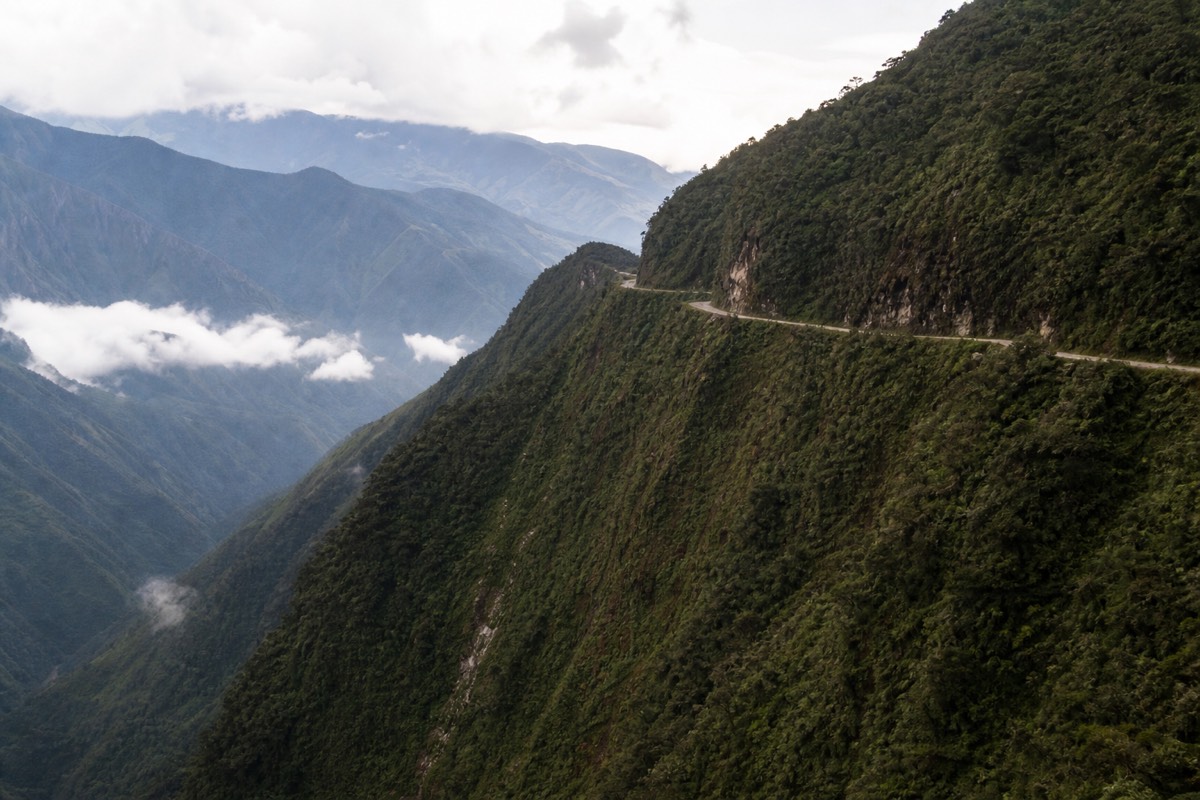
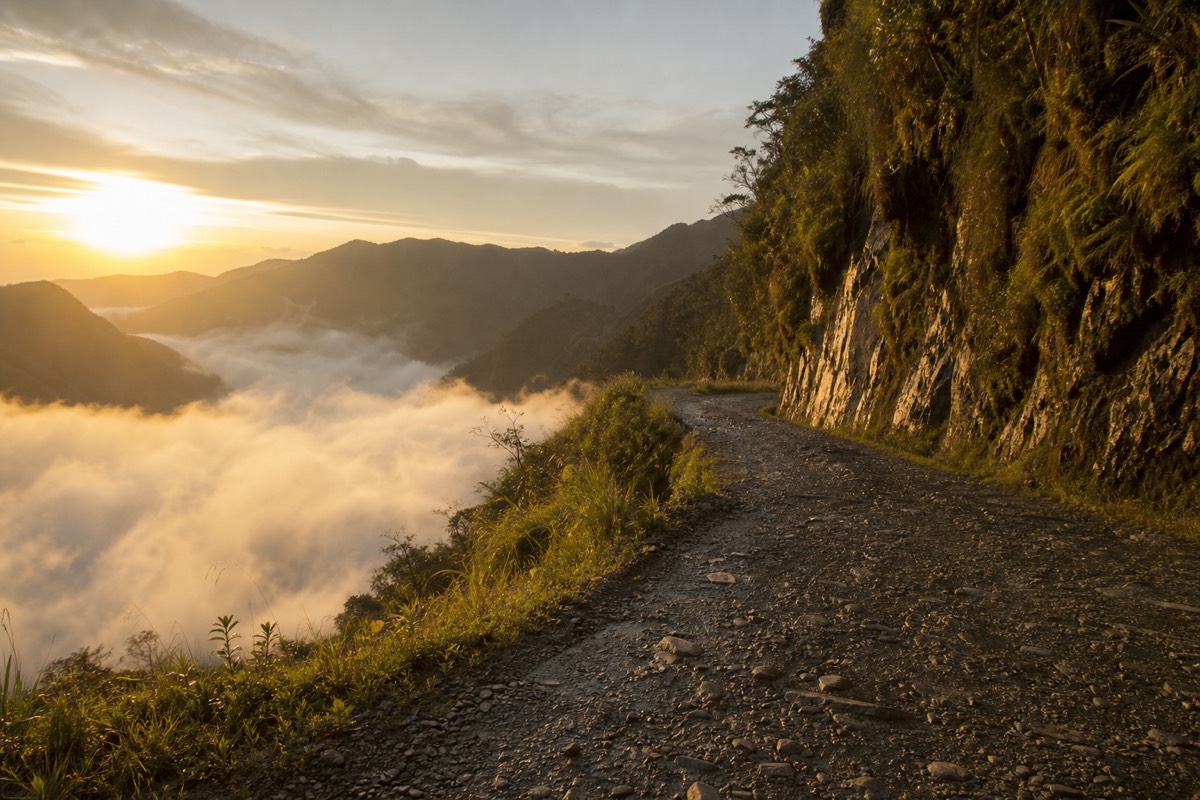
The two are linked by one habit: choose reputable operators and you arrange specific services, without eliminating risk. In the city that means booked taxis and watched pockets. For the ride it means a vetted guide, a quality bike and a support vehicle. The road's danger is real, but it is managed, not left to chance.
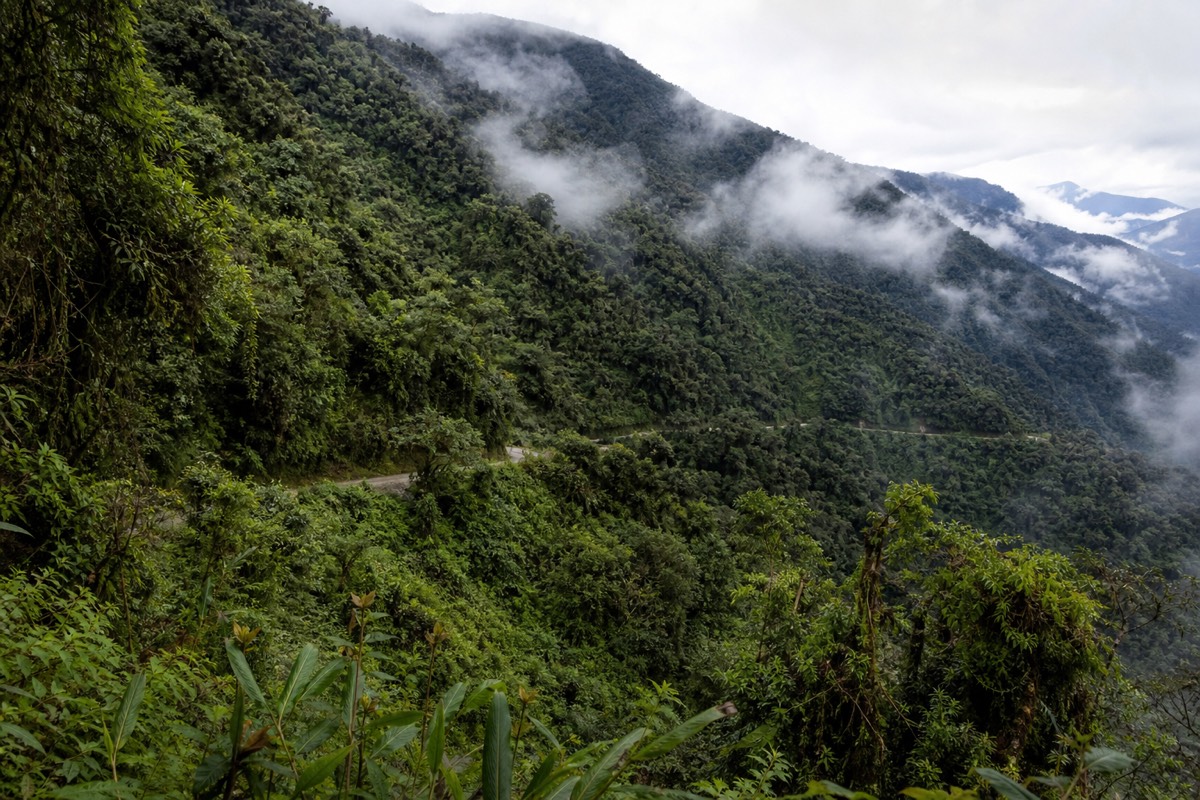
The shared Gravity ride and private biking option follow the same road corridor, with different operators, durations, meeting arrangements and restrictions. Compare their current itineraries and recent reviews, then choose by the services and guide attention your party wants. Related reading: whether the descent is worth it; what a Death Road tour costs in La Paz.
Altitude note: gradual acclimatization matters. Avoid heavy exercise in the first 48 hours at altitude. Do not go higher with persistent symptoms; worsening illness needs medical advice, and breathlessness at rest, confusion or loss of coordination requires urgent help and descent. Downhill cycling and a private guide do not remove these risks.